

Every sentence has a ▶ button — tap it to hear that sentence read slowly, one word at a time.
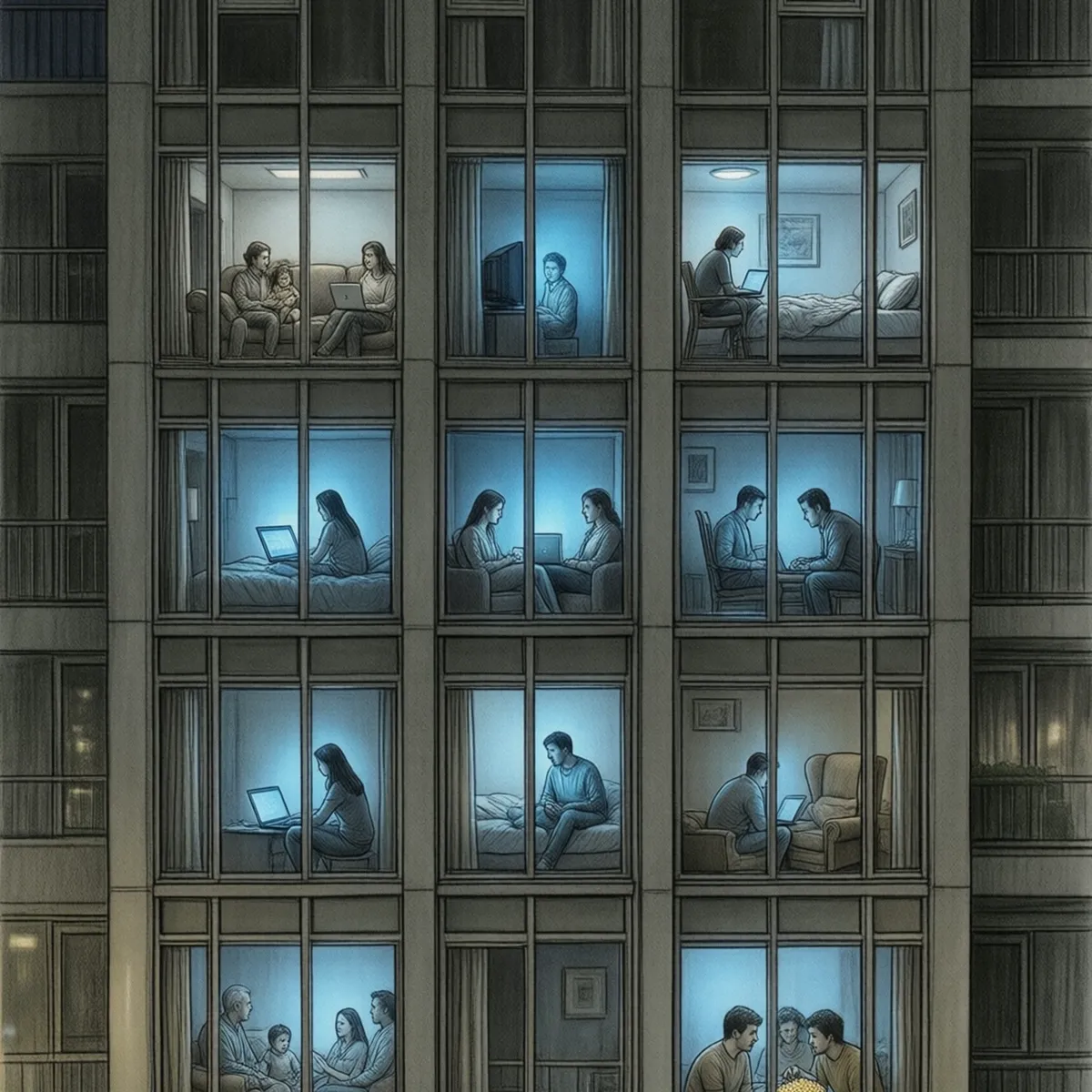
In 2024, anime made more money outside Japan than in Japan itself.
Netflix says that more than half of its members around the world watch anime.
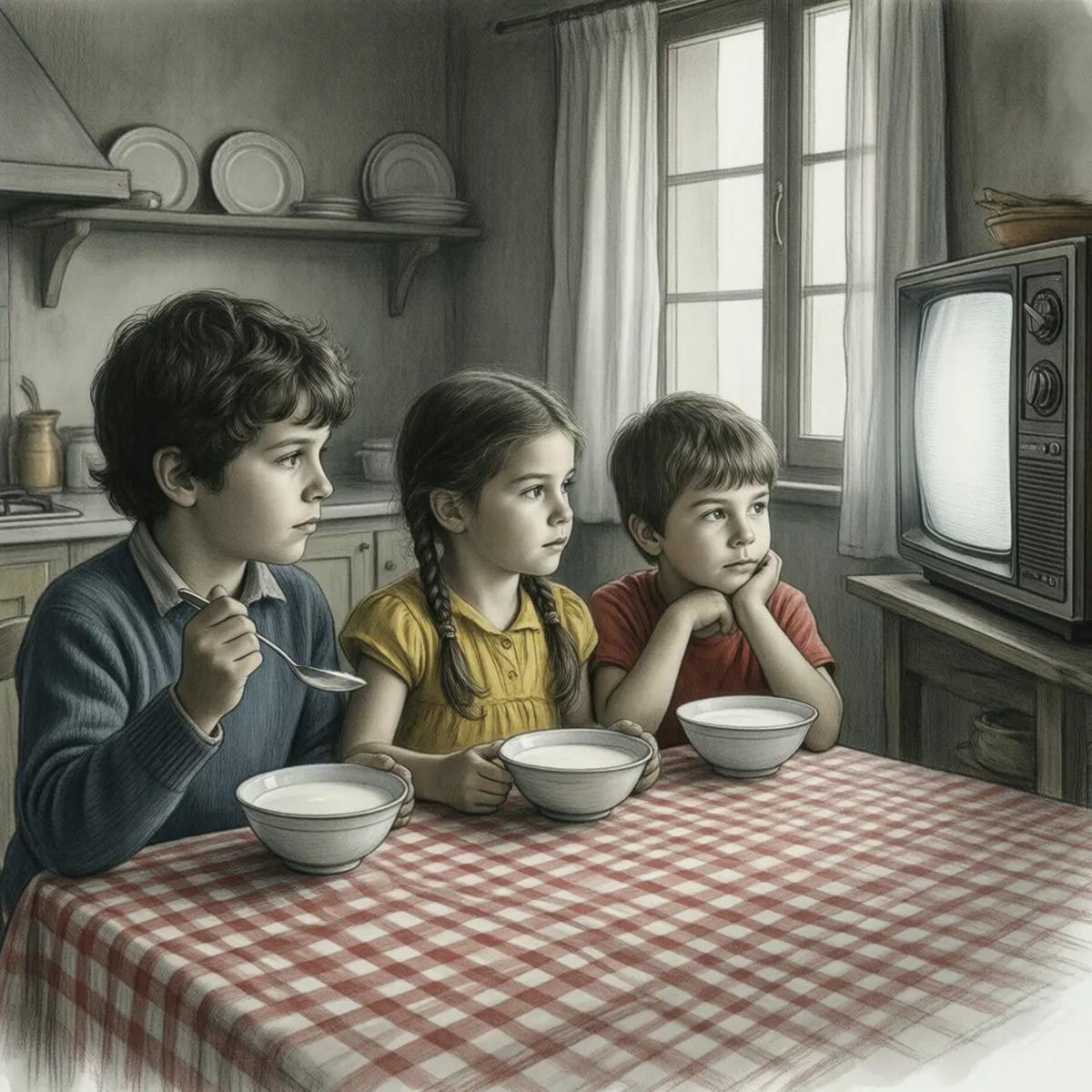
But for a long time, many children in other countries had no idea that the cartoons they watched came from Japan.
So how did anime go global?
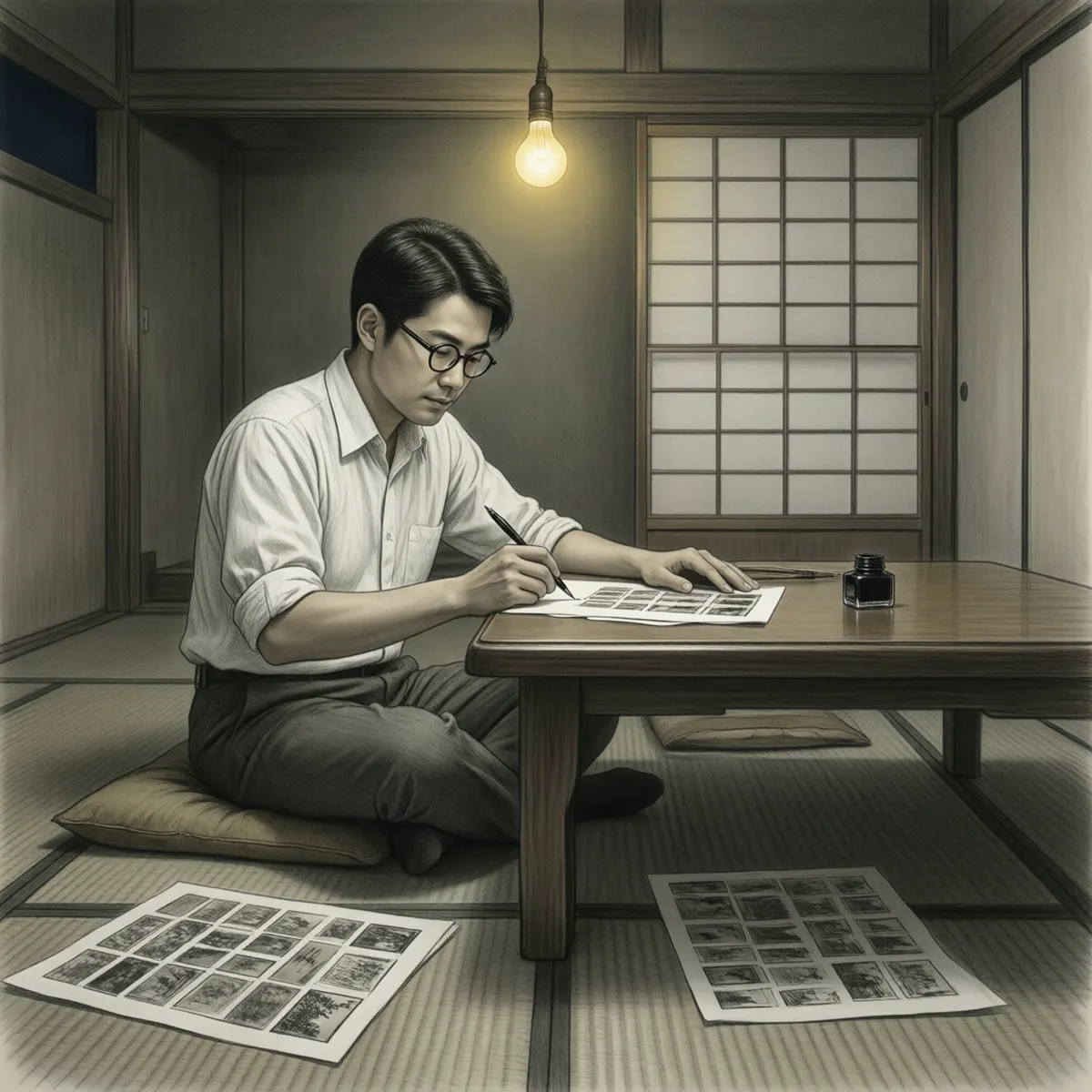
Our story begins with a young man who loved to draw.

Osamu Tezuka studied medicine and passed the exam to become a doctor, but he chose a career in comics.
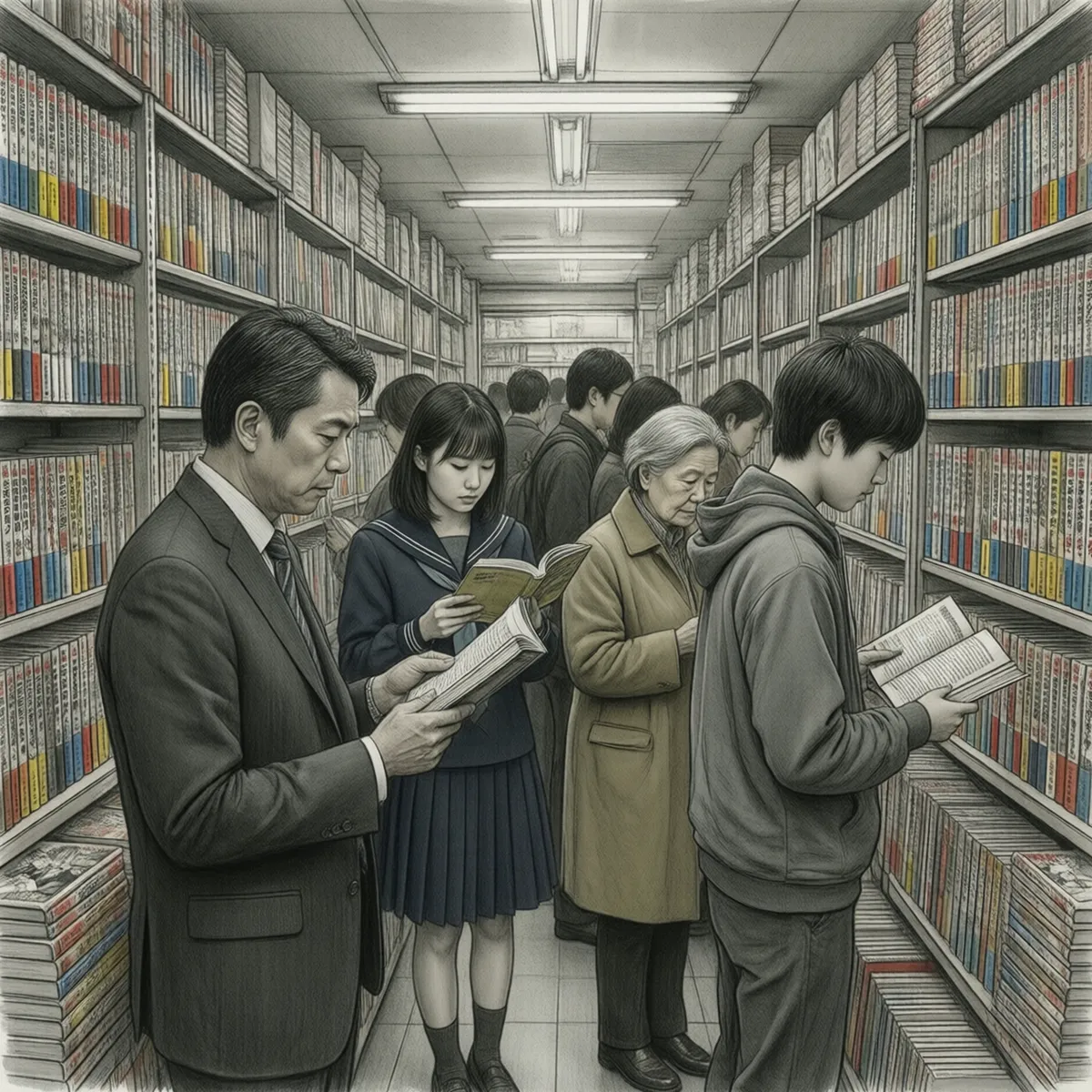
People in Japan often call him “the god of manga.”
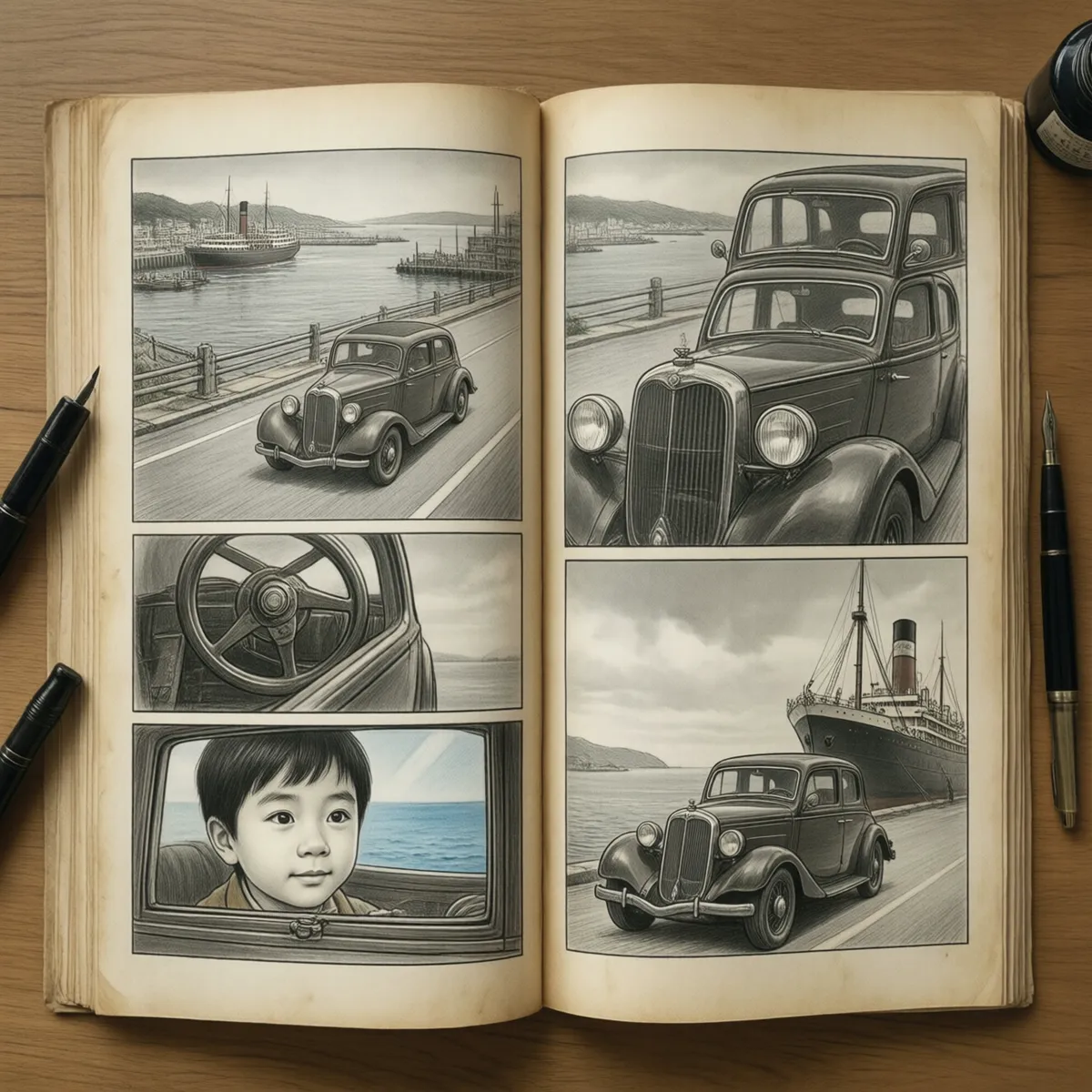
His comics felt like movies, and he sometimes used many pictures to show one short moment.
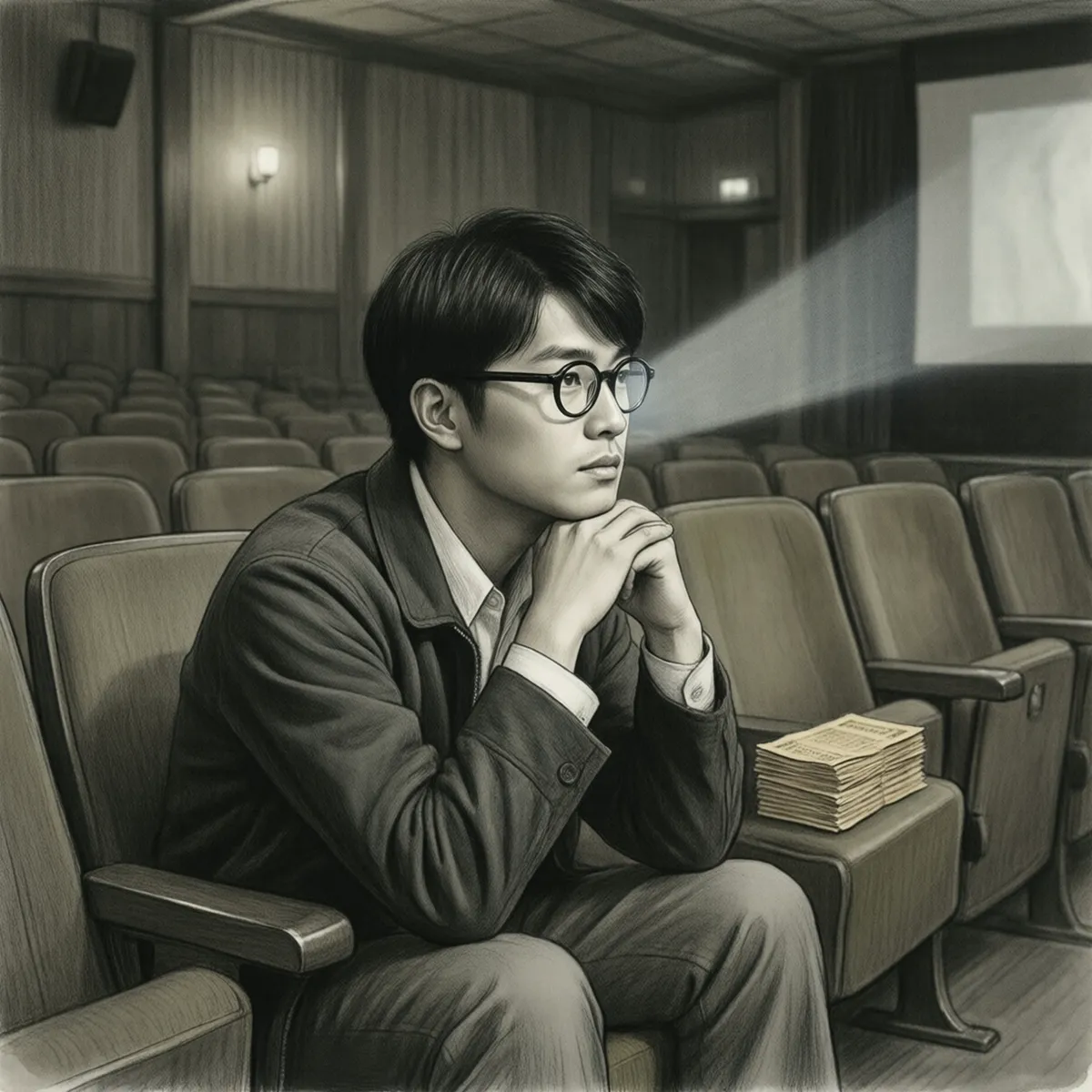
Tezuka also loved American cartoons.
He said he watched Disney’s Bambi eighty times.
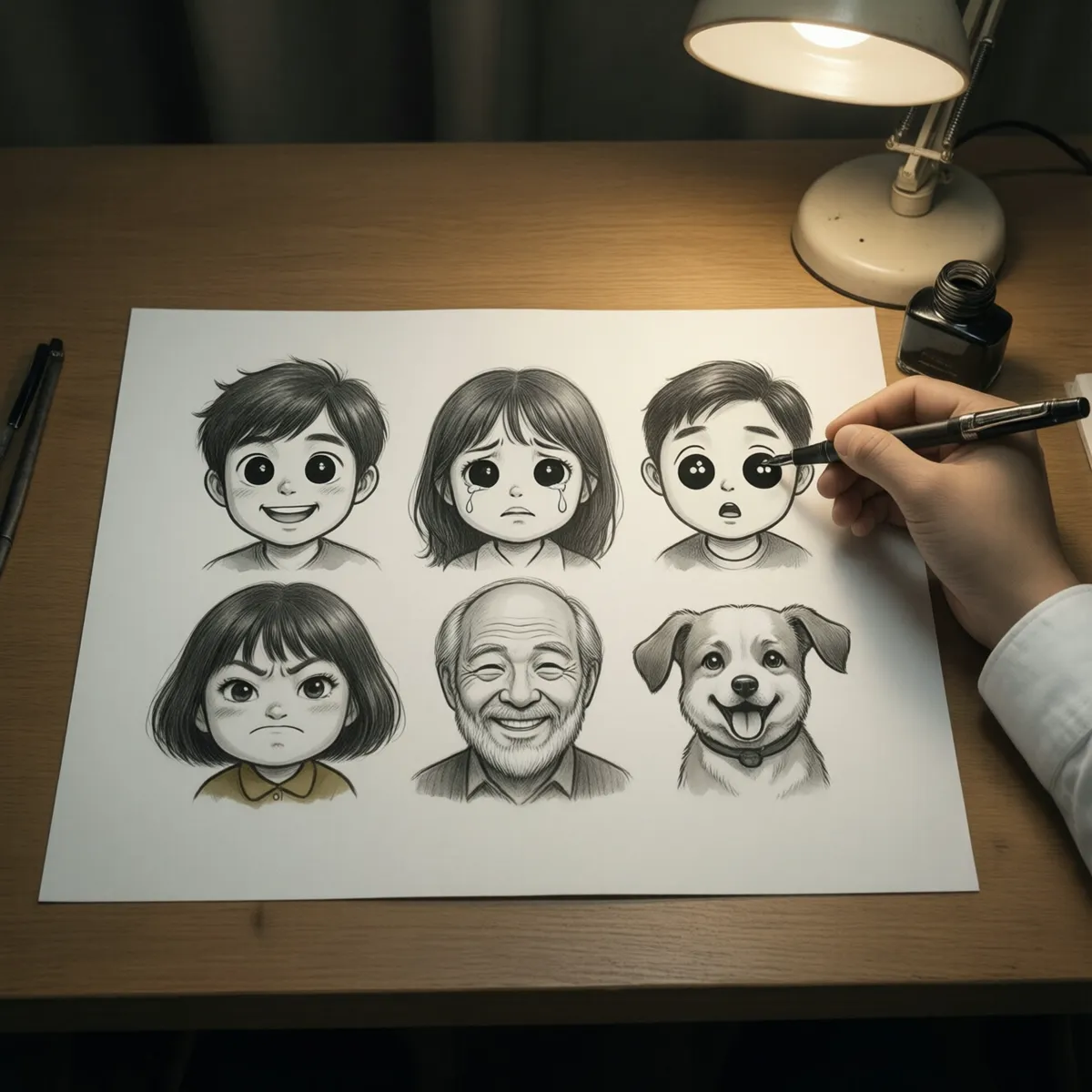
He gave his own characters big, round eyes like the ones in Disney films and Betty Boop cartoons.
Big eyes make feelings easy to see.
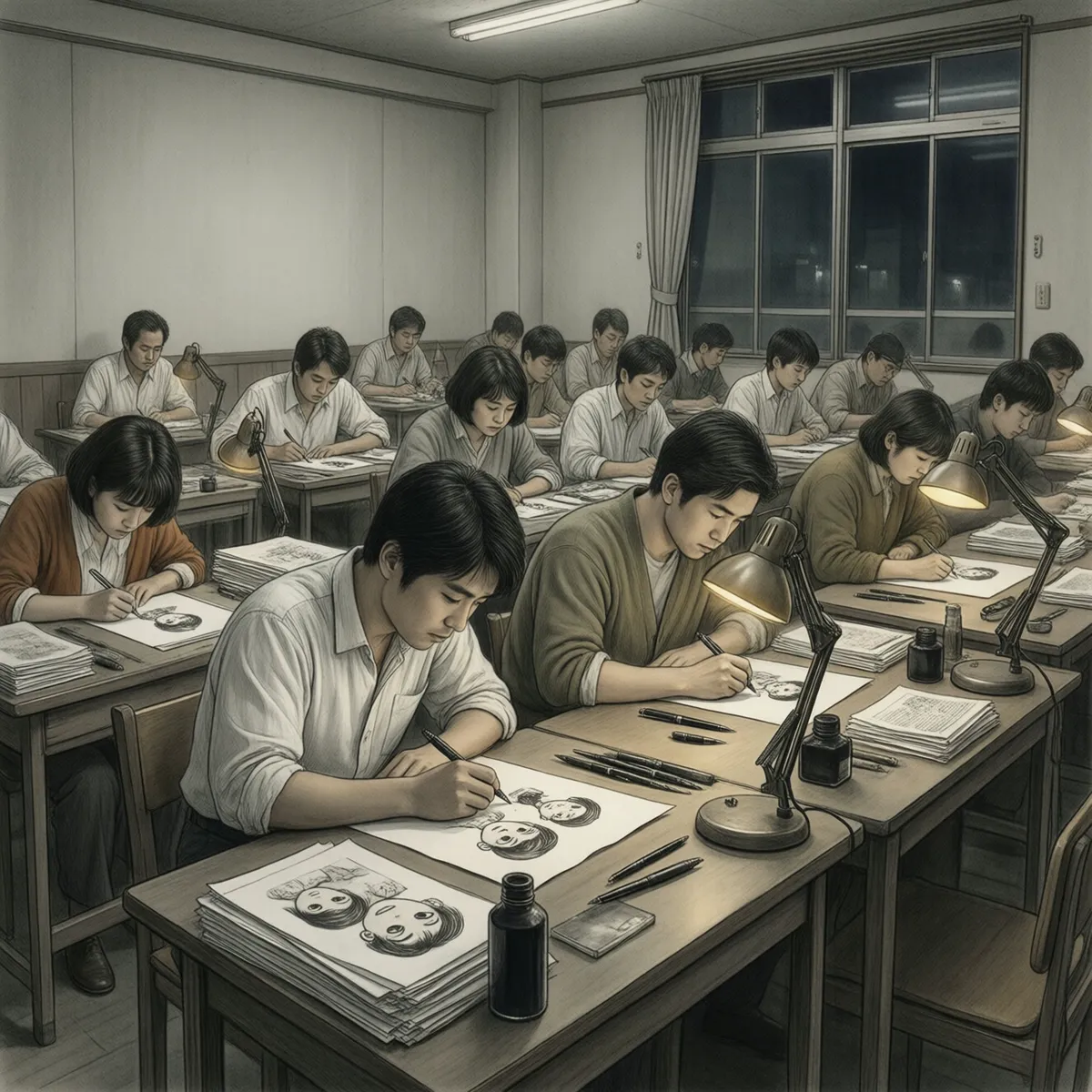
Many Japanese artists learned from his style, and big eyes became a famous part of anime.
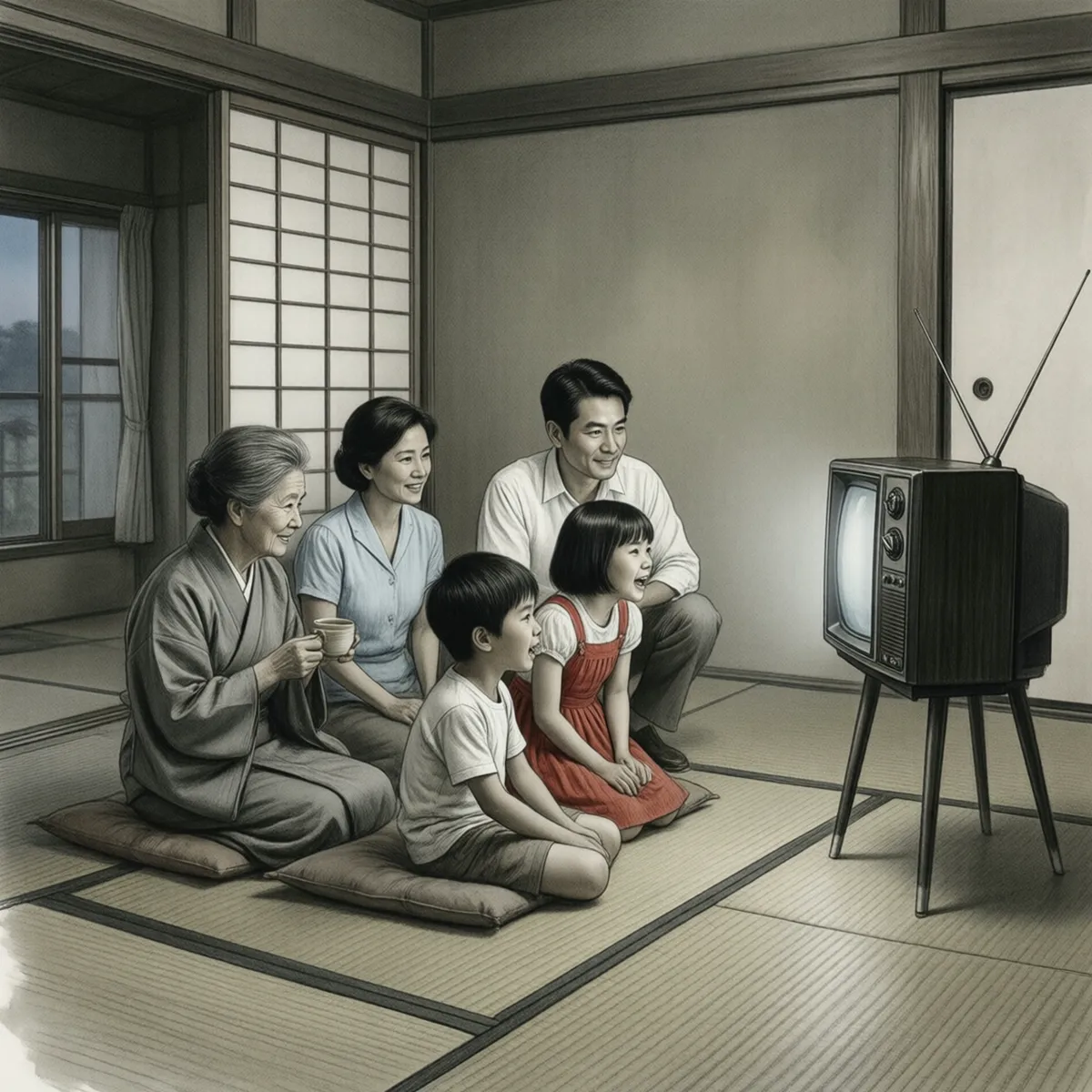
In 1963, Tezuka’s comic about a robot boy named Atom became a TV cartoon.
It was Japan’s first cartoon series with a new thirty-minute episode every week.
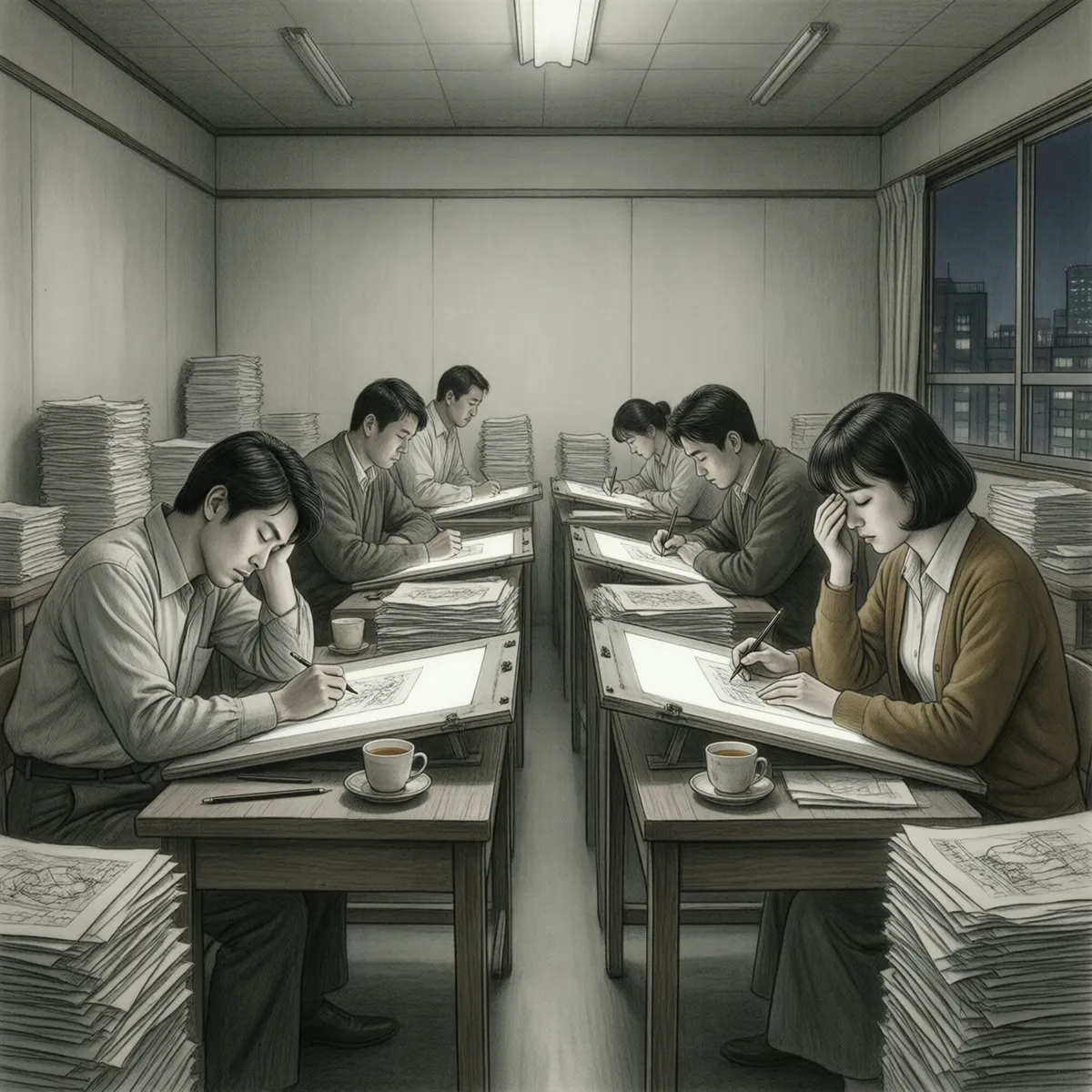
But Tezuka sold the show for less than it cost to make.
His small team had very little money and only one week for each episode, so they found clever shortcuts.
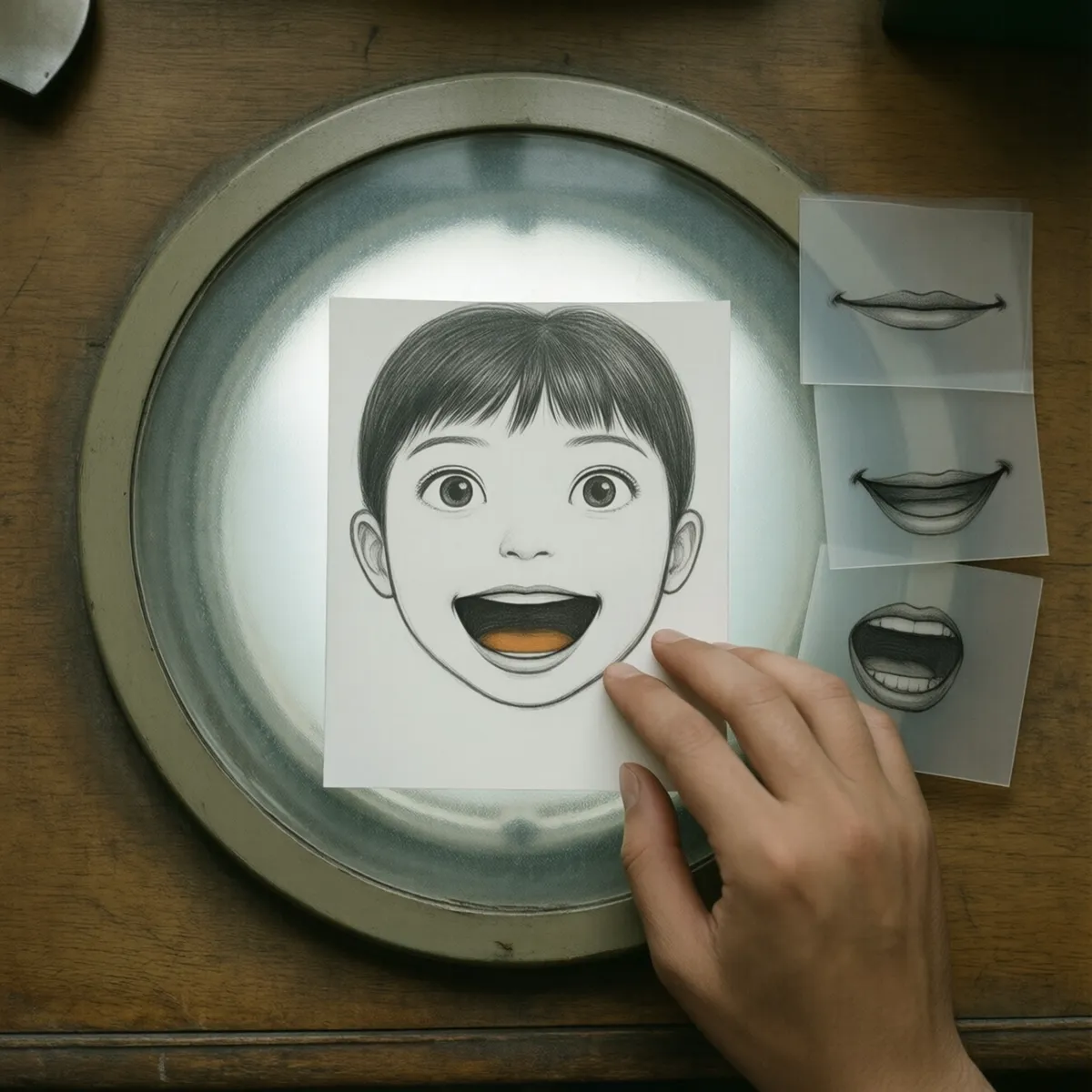
They made far fewer drawings than usual and used the same drawings again and again.
Sometimes only a character’s mouth moved, or the camera moved over a still picture.
These tricks became part of the anime style.
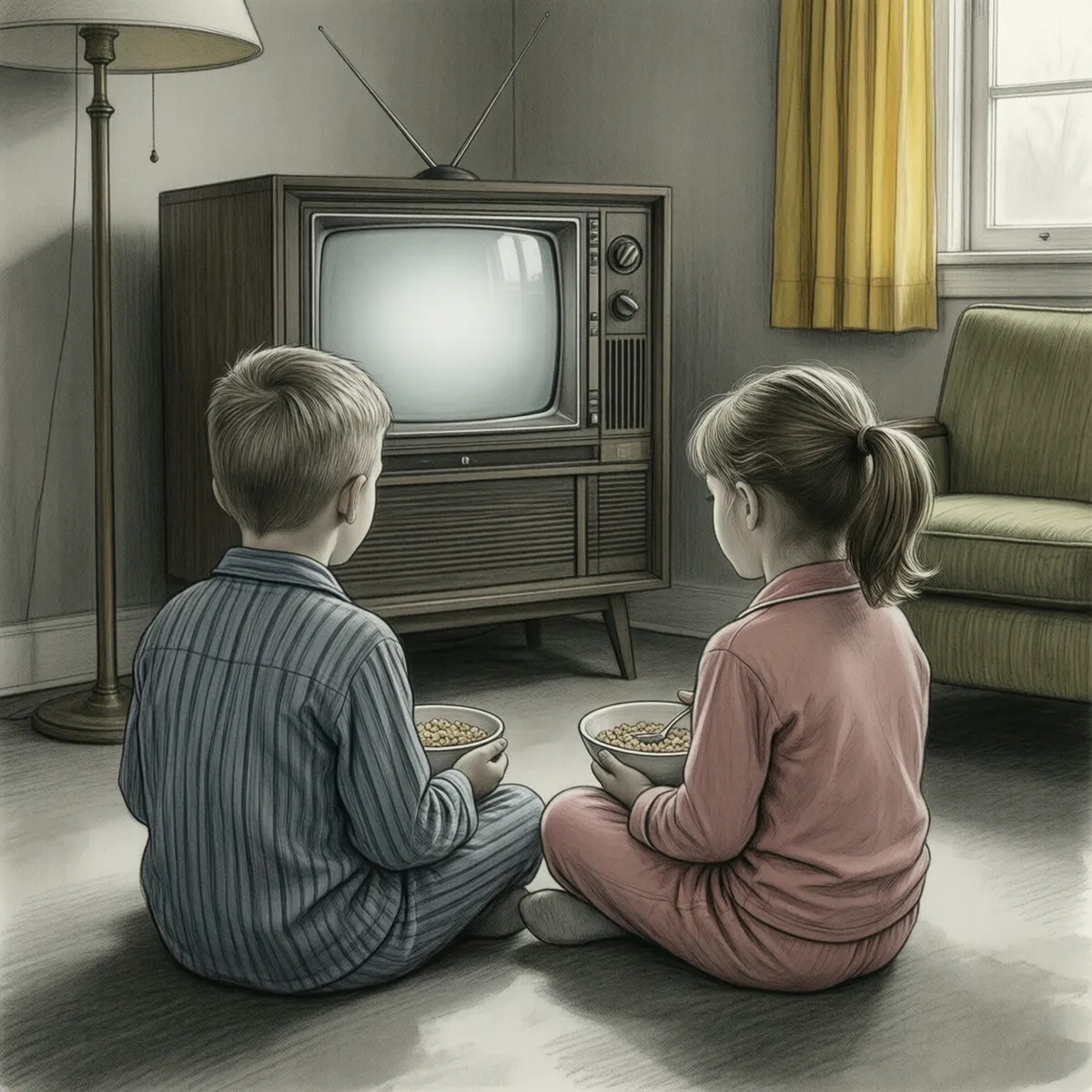
Later in 1963, the show reached American TV with a new name, Astro Boy.
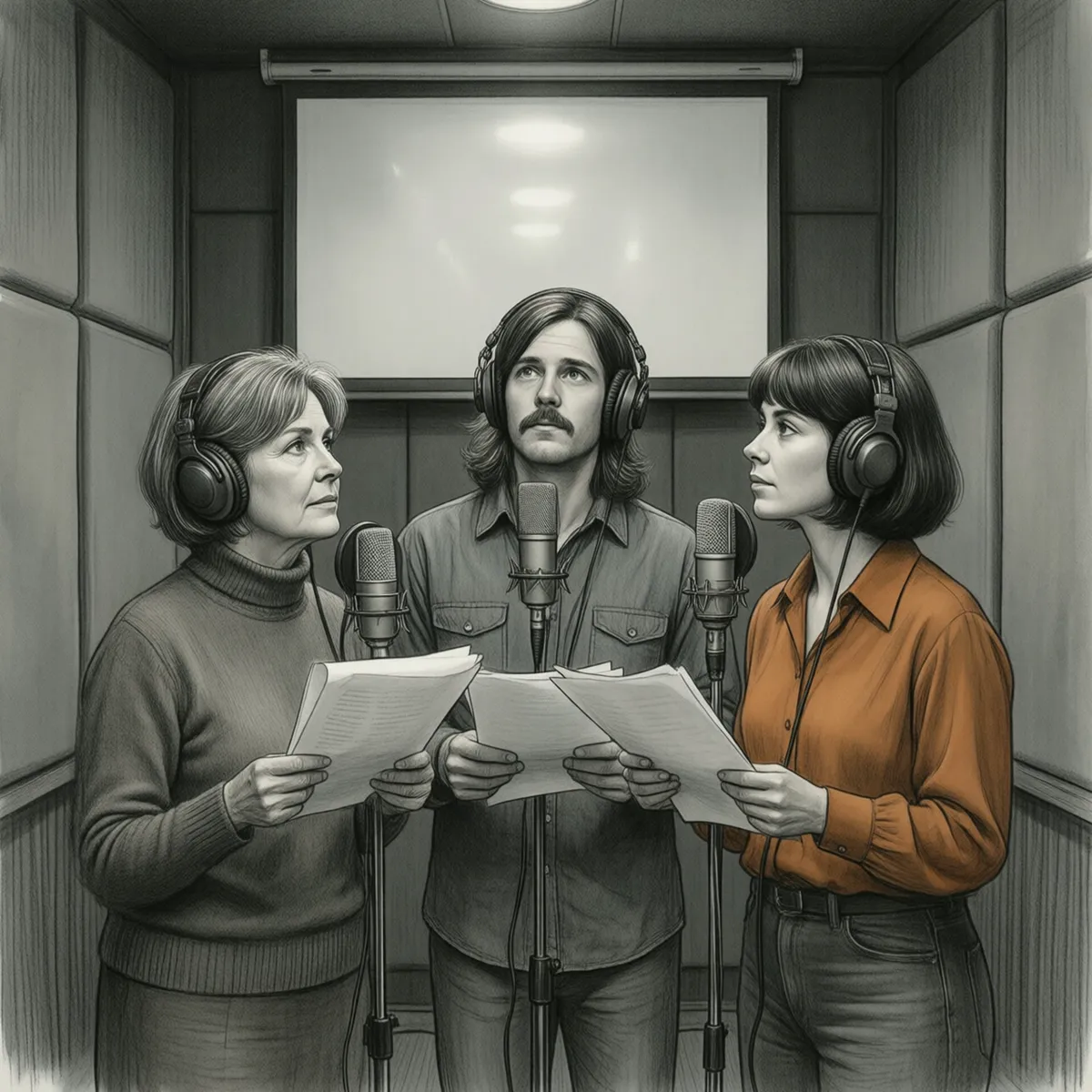
In the 1970s and 1980s, many more Japanese cartoons appeared on TV around the world, often with new names and new voices.
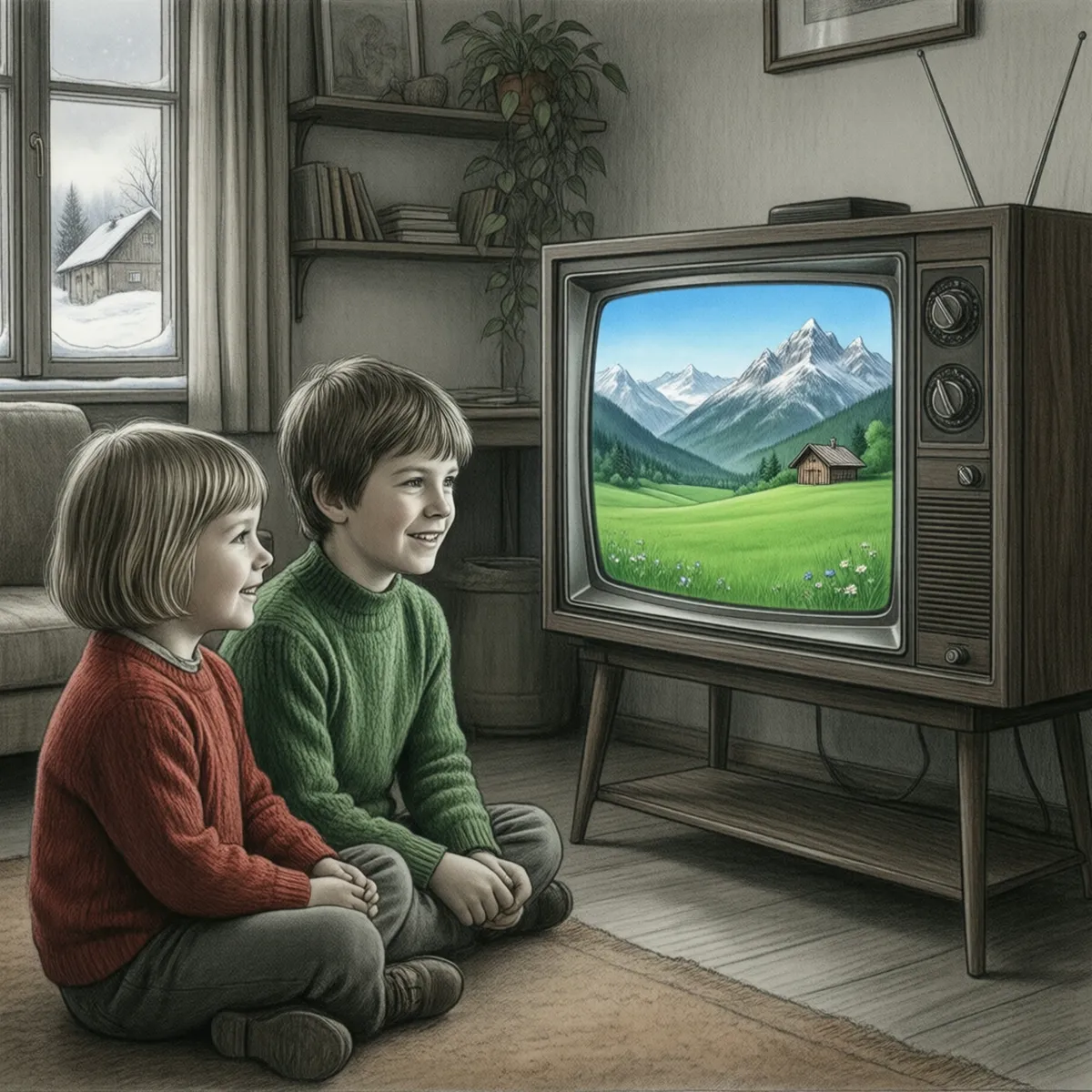
Heidi, a cartoon about a little girl in the Swiss mountains, was a huge hit in Germany, Italy, and Spain.
It was based on a Swiss book, and many viewers did not know that it was made in Japan.

Two of its makers, Isao Takahata and Hayao Miyazaki, later helped start the famous Studio Ghibli.
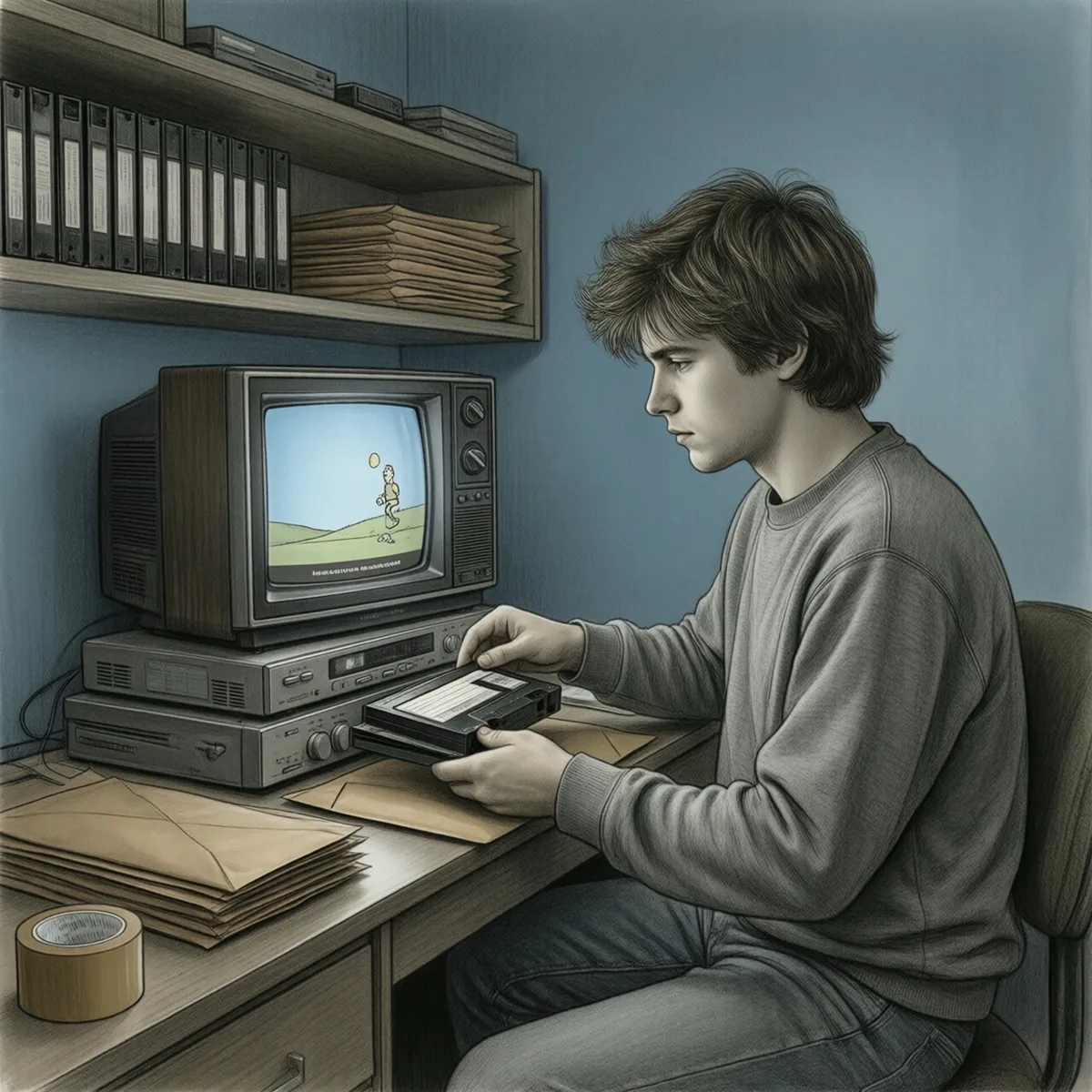
Before the internet, many anime shows were hard to find outside Japan.
So fans copied videotapes, added their own subtitles, and mailed the tapes to each other.
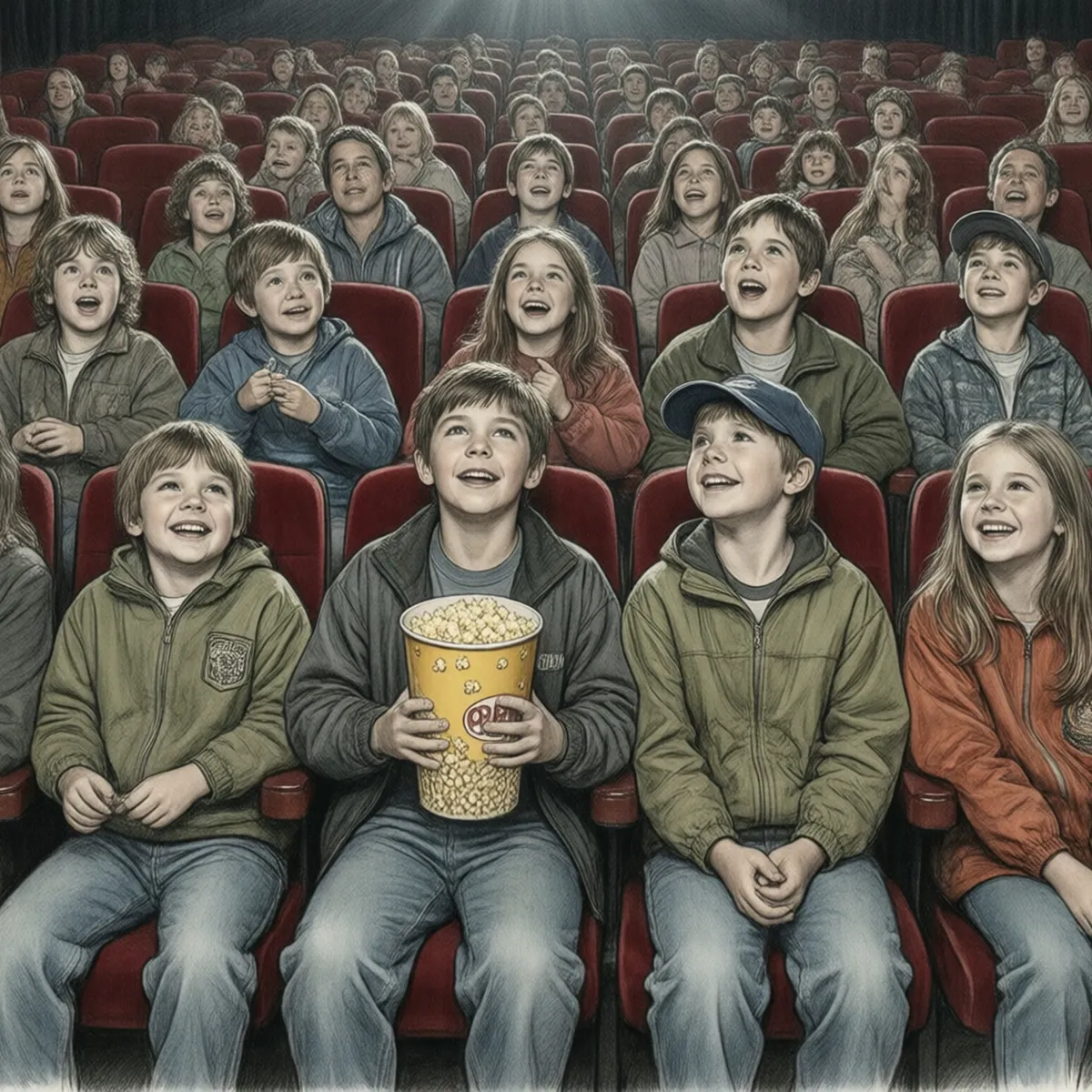
In the late 1990s, Pokémon became a hit with children around the world.

In 2003, Miyazaki’s film Spirited Away became the first anime to win an Oscar.

Today, thanks to streaming, fans no longer need to mail tapes.
New episodes often come out around the world on the same day as in Japan, with subtitles in many languages.

Anime also goes beyond the screen.
At big conventions, fans dress up as their favorite characters.
This hobby is called cosplay, a word made in Japan from two English words, “costume” and “play.”

Surveys also show that an interest in anime and manga is one of the top reasons why students outside Japan learn Japanese.
Not bad for a little robot boy made on a tiny budget.