

Every sentence has a ▶ button — tap it to hear that sentence read slowly, one word at a time.

Every day, people around the world drink about two billion cups of coffee.
But where did this habit begin?
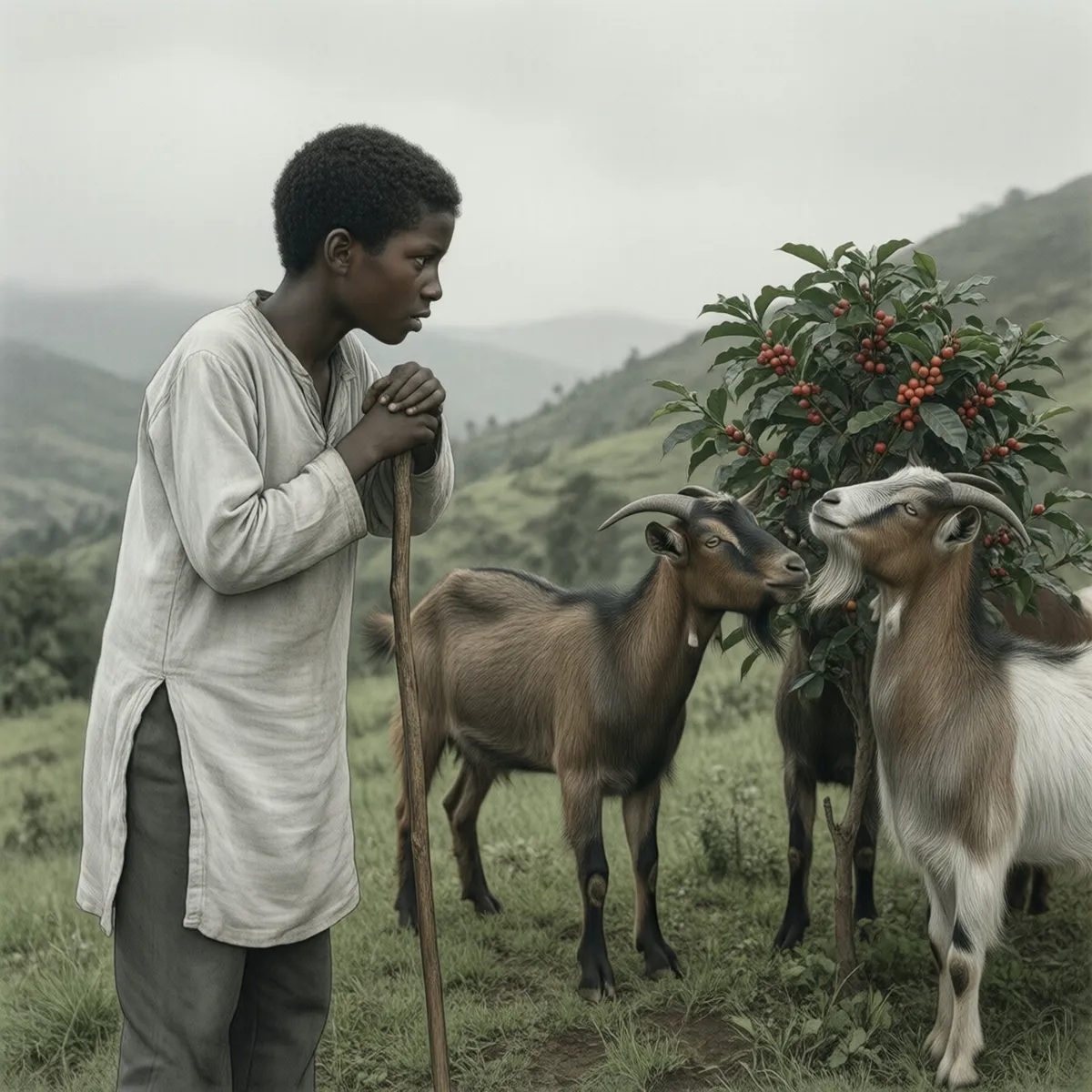
An old legend from Ethiopia tells of a young goat herder named Kaldi.
One day he noticed something strange.
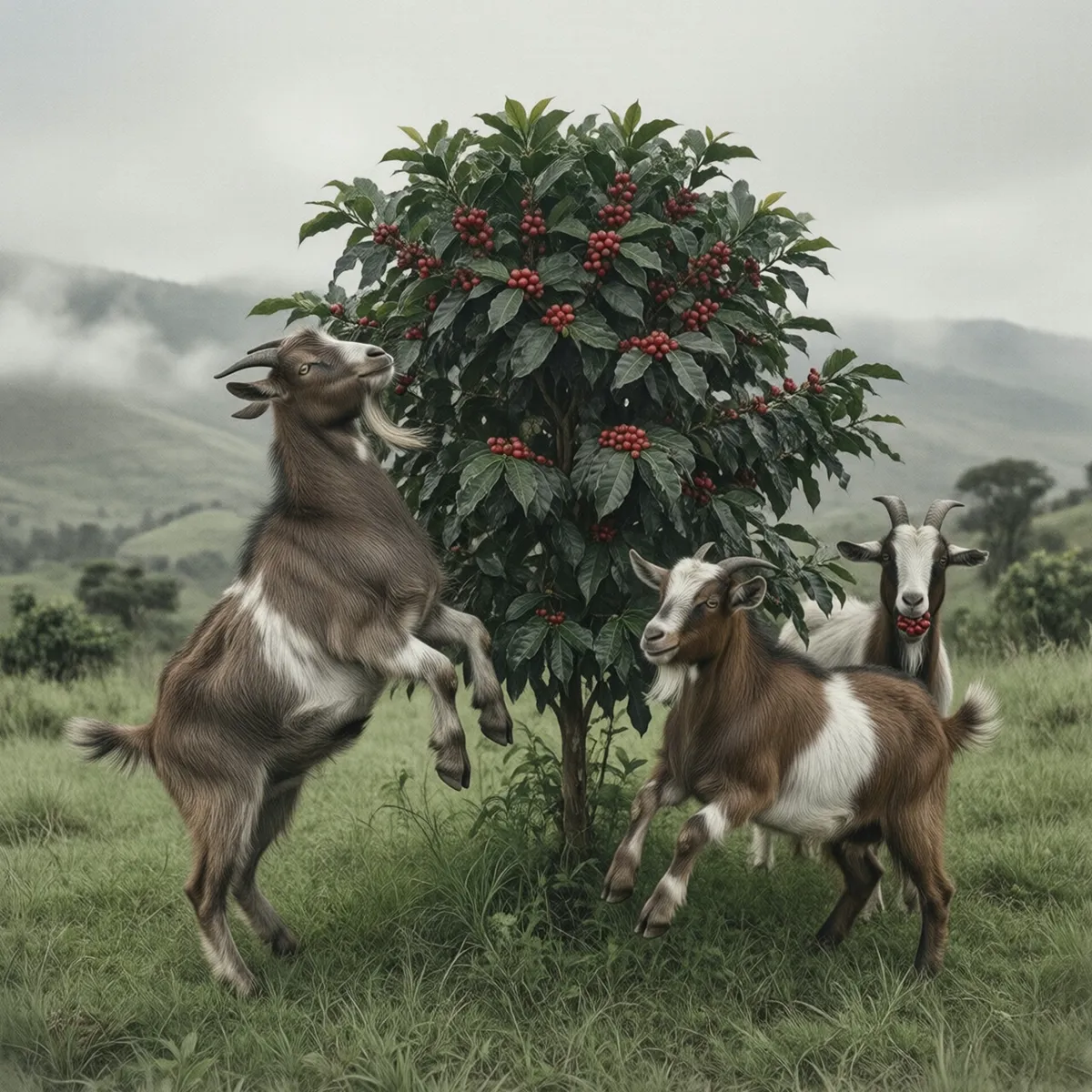
After his goats ate the red berries of a certain bush, they jumped and danced and refused to sleep.
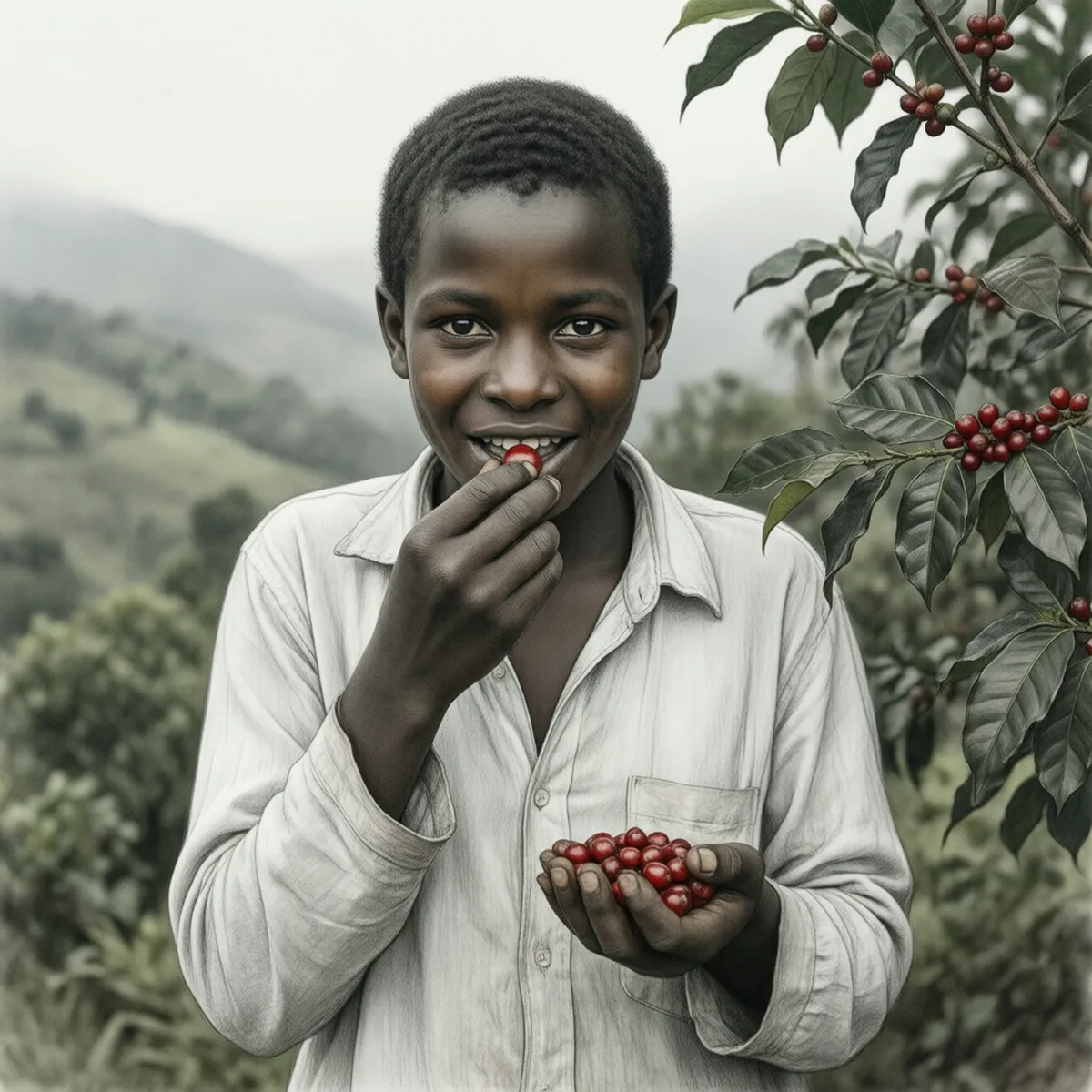
Kaldi tried the berries himself and felt fresh and energetic.
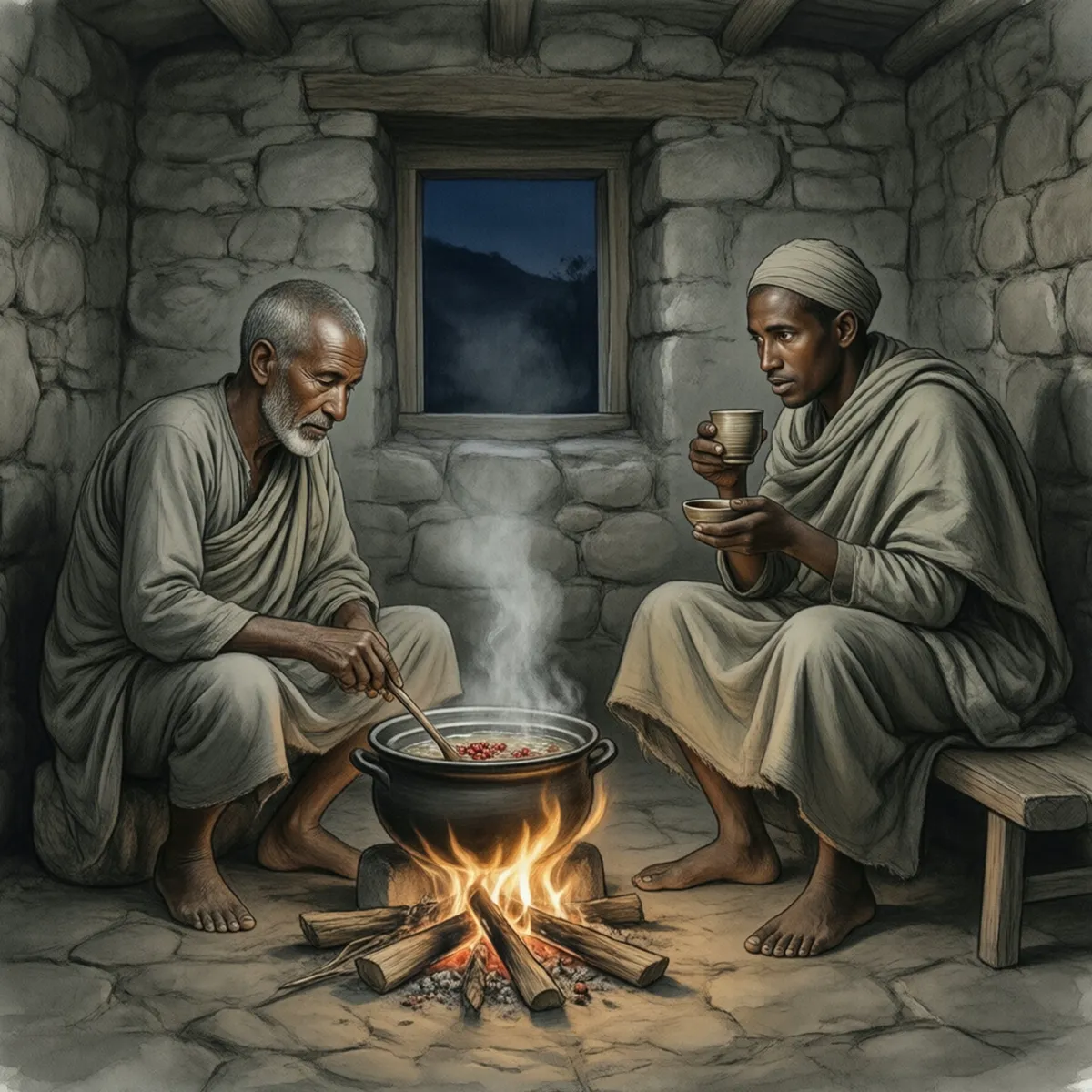
Monks at a nearby religious house heard about the berries, and they began to boil them in water so they could stay awake and pray at night.
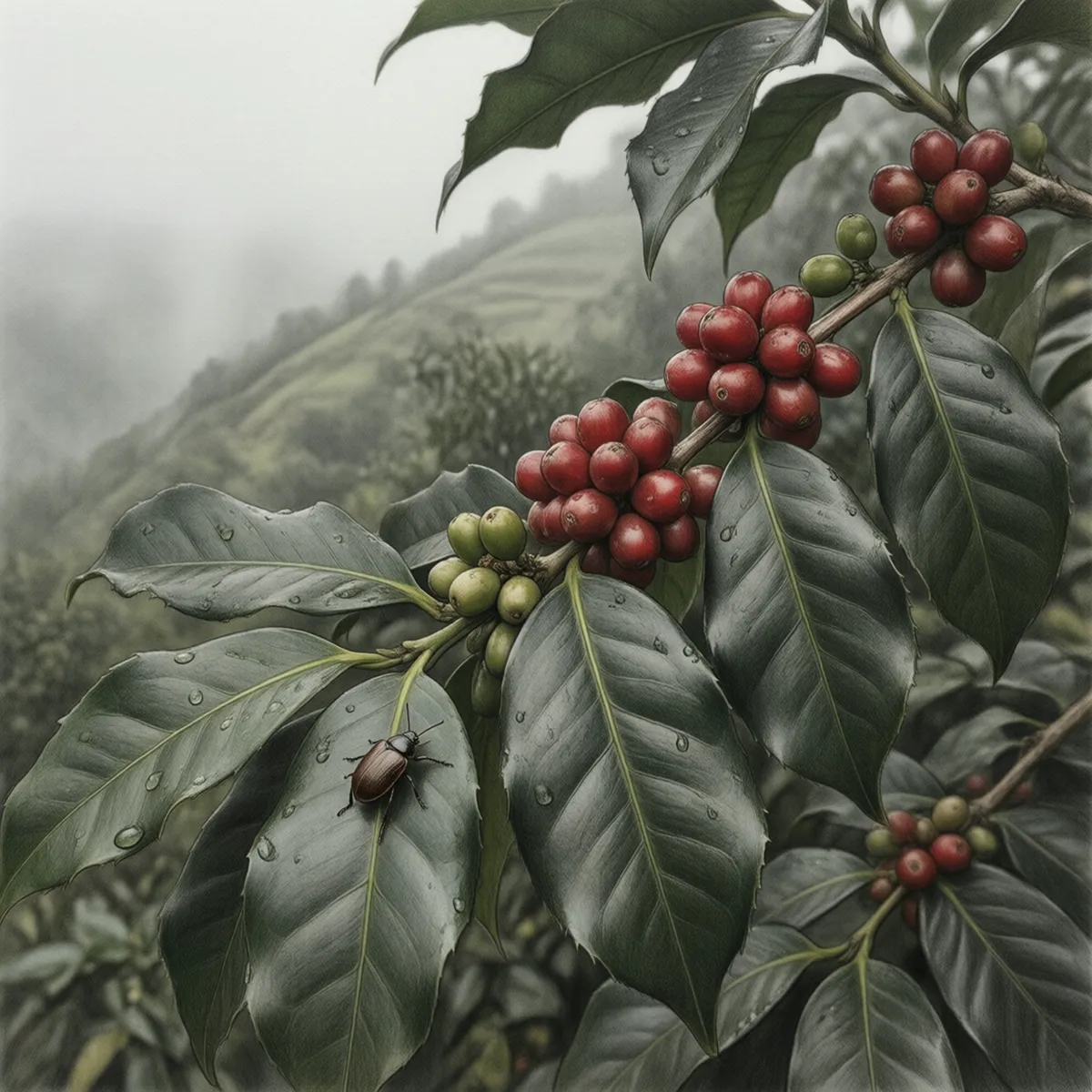
We do not know if the story of Kaldi is true, but the dancing goats make sense.
Coffee berries contain caffeine, a natural chemical that blocks the tiredness signals in your brain for a few hours.
The coffee plant makes caffeine to protect itself, because caffeine is poisonous to many insects.

For people, the amount in a cup of coffee is not dangerous.
It just helps them stay awake.
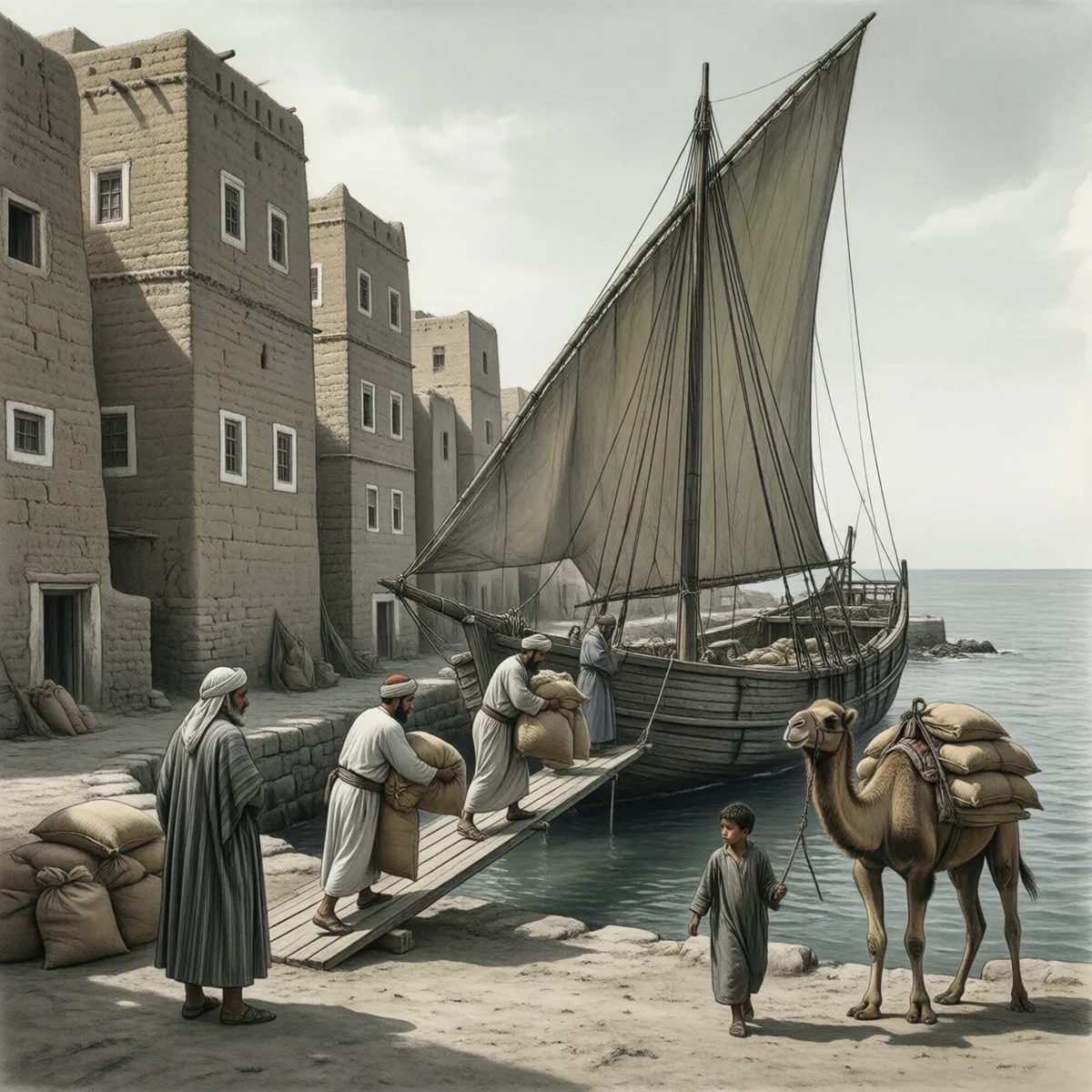
What we do know is that coffee drinking spread from Ethiopia to Yemen more than five hundred years ago.
From there, it traveled across the Middle East.

In cities like Cairo and Istanbul, people met in coffeehouses to talk, play games, listen to musicians, and share the news of the day.
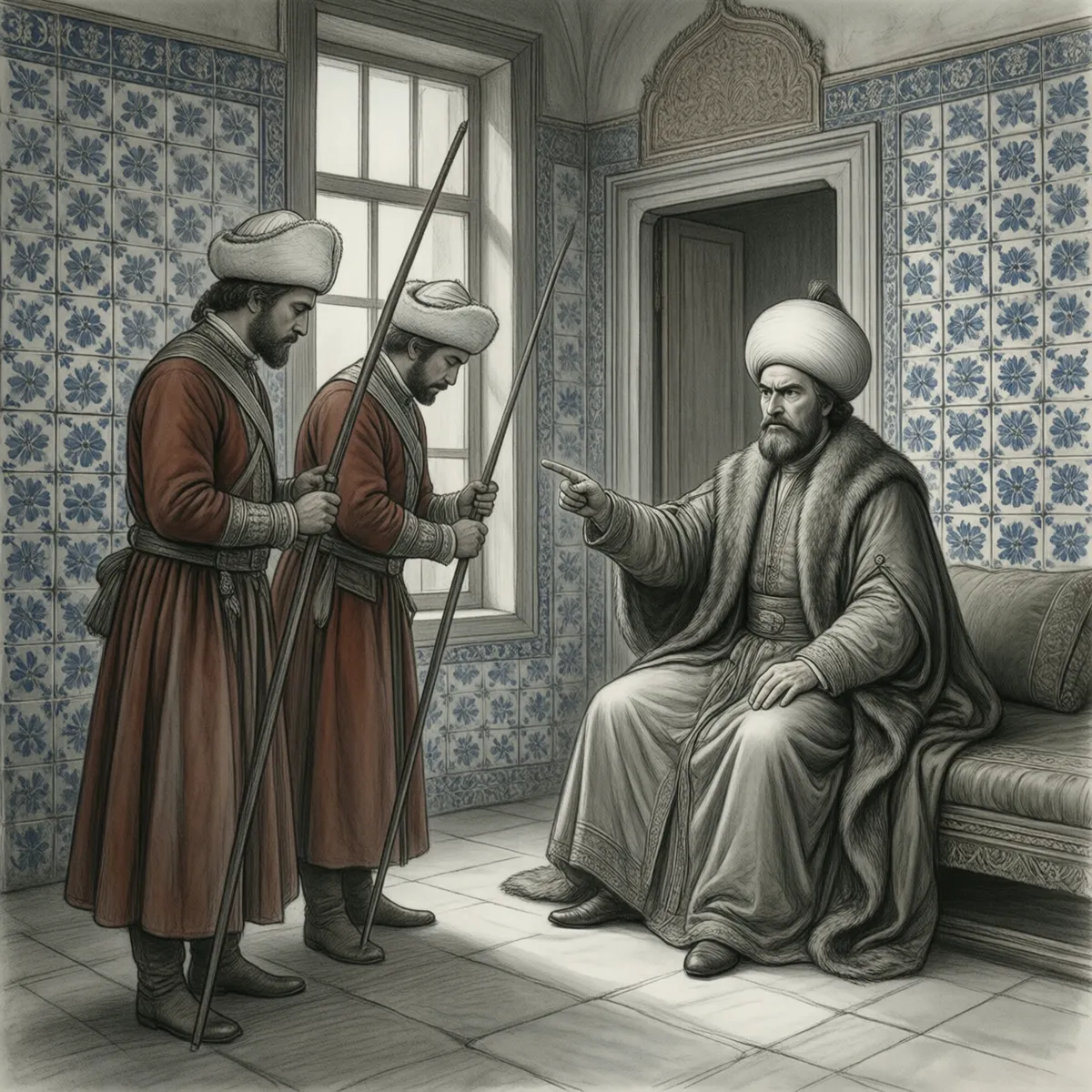
Some rulers worried about these lively places and even tried to close them — without any success.
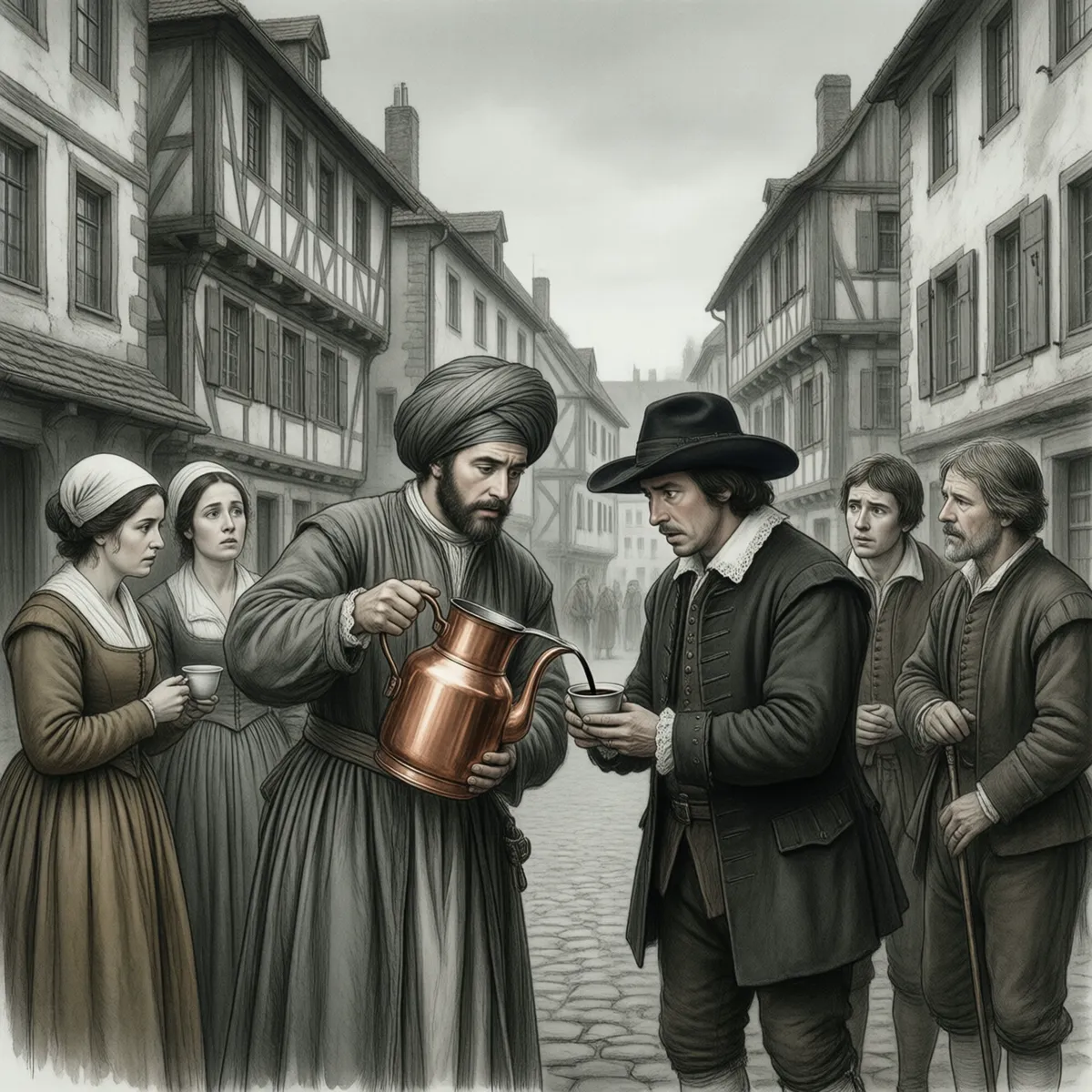
Coffee reached Europe in the 1600s.
At first, some people called it strange and even dangerous, but its popularity grew quickly.

Coffeehouses opened in London, Paris, and Vienna, and they became meeting places for writers, artists, and thinkers with revolutionary ideas.

In London, people called them “penny universities.”
For one penny, you could buy a cup of coffee and join the smartest conversations in town.
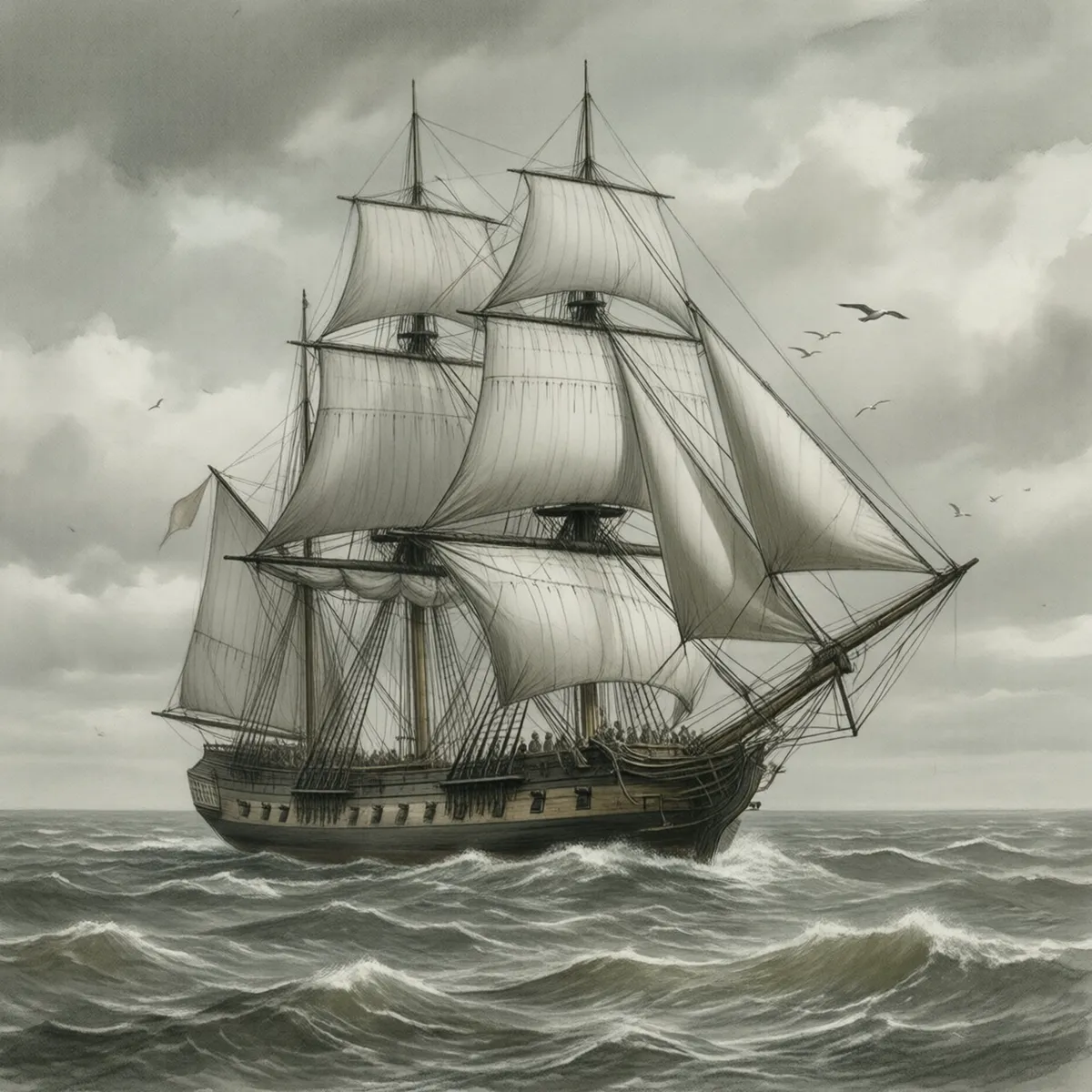
In the 1700s, coffee crossed the ocean to the Americas.
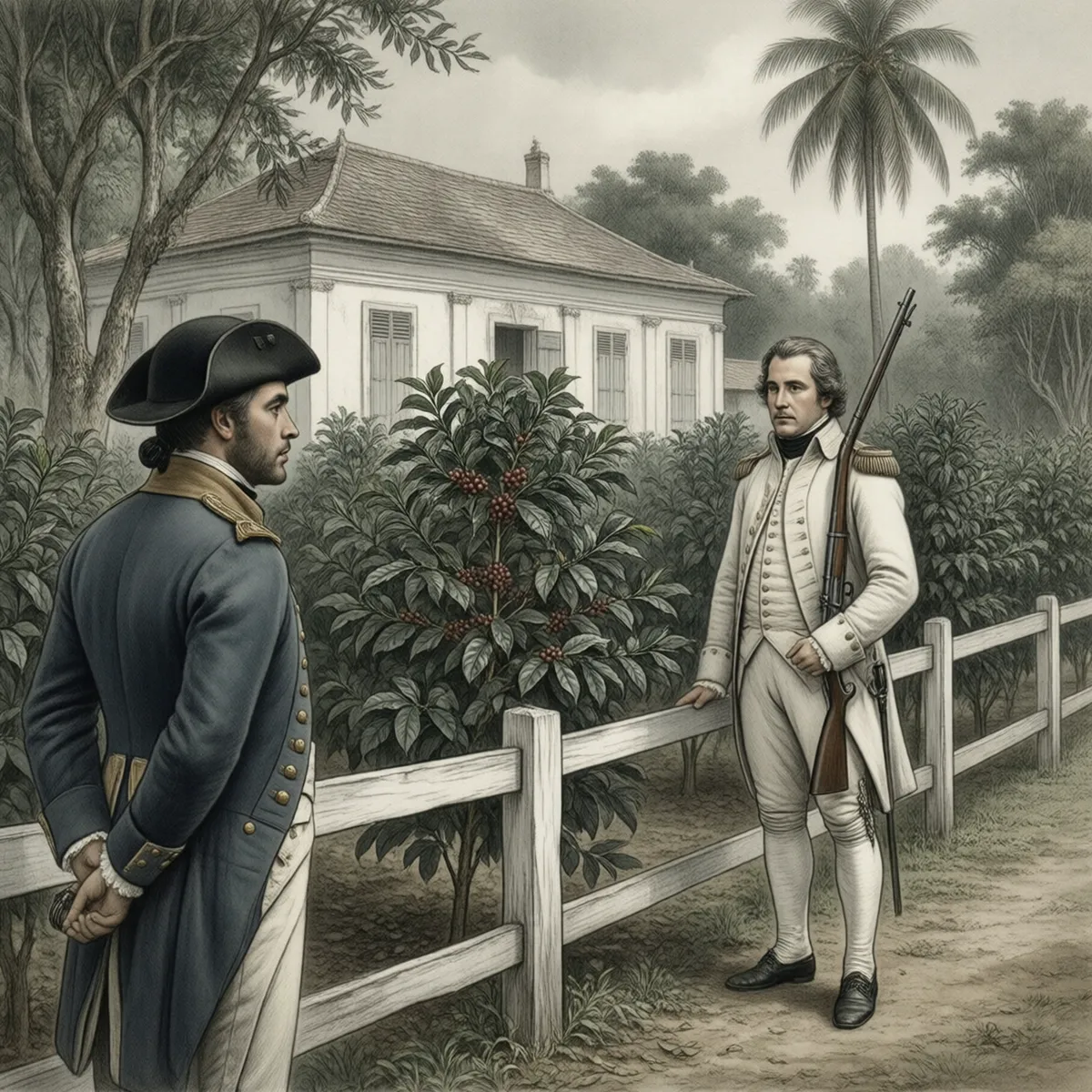
A popular story says that in 1727, a Portuguese officer from Brazil visited a nearby French colony, where the French guarded their coffee plants and did not share them.
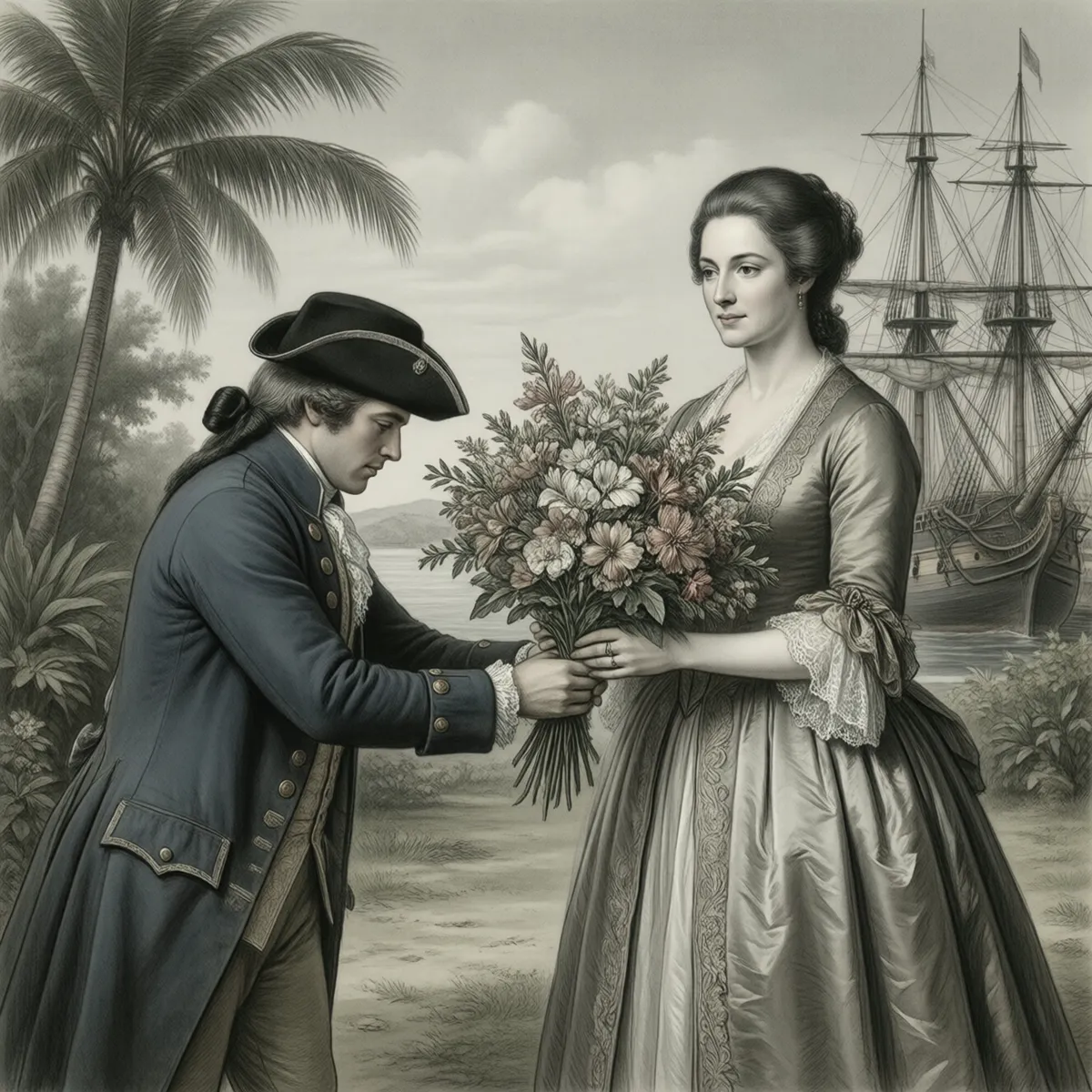
When he left, the French governor’s wife gave him a bouquet of flowers as a goodbye gift, with coffee seeds secretly hidden inside, and he carried them home to Brazil.
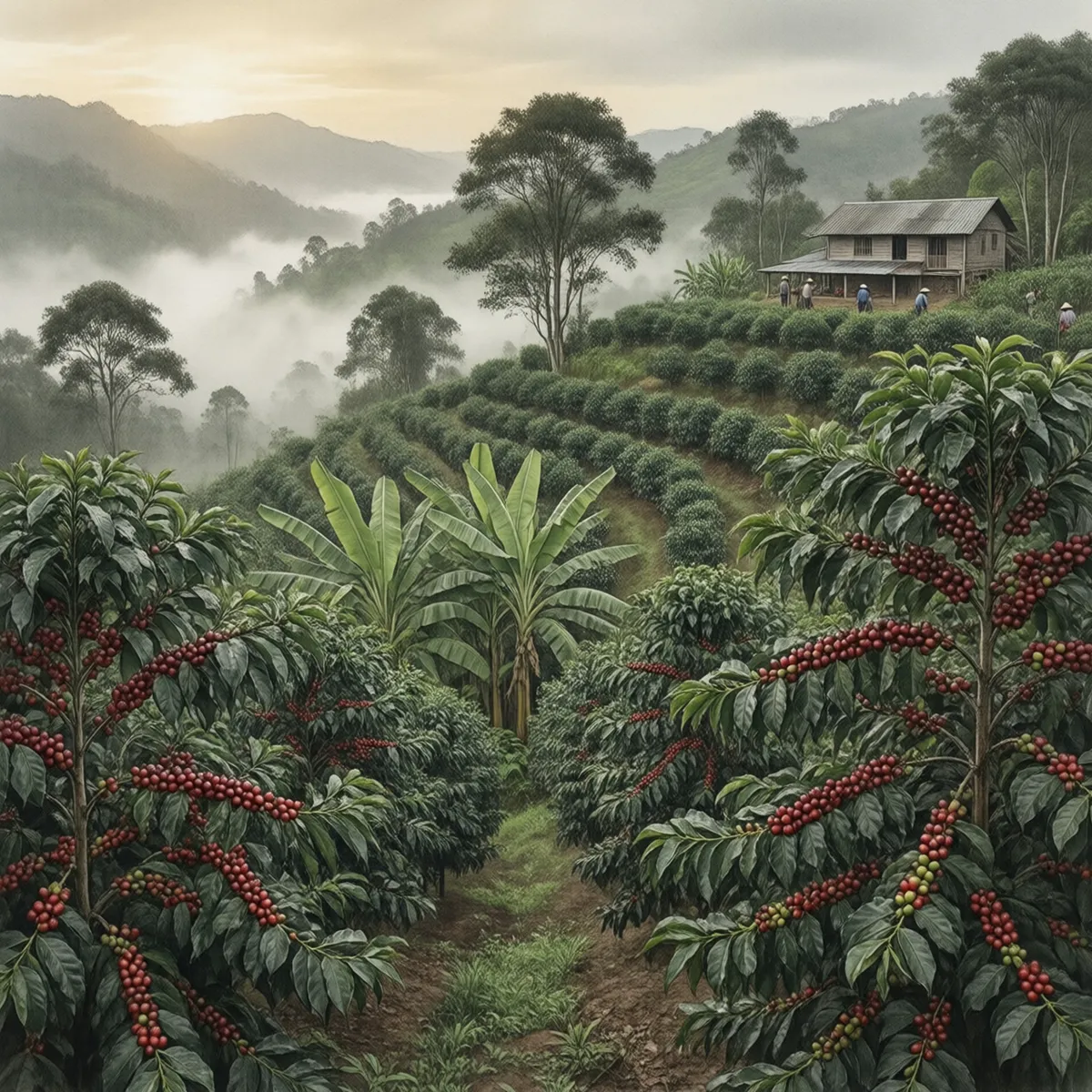
Today coffee grows in more than fifty countries, most of them in the warm, tropical belt around the middle of the Earth.
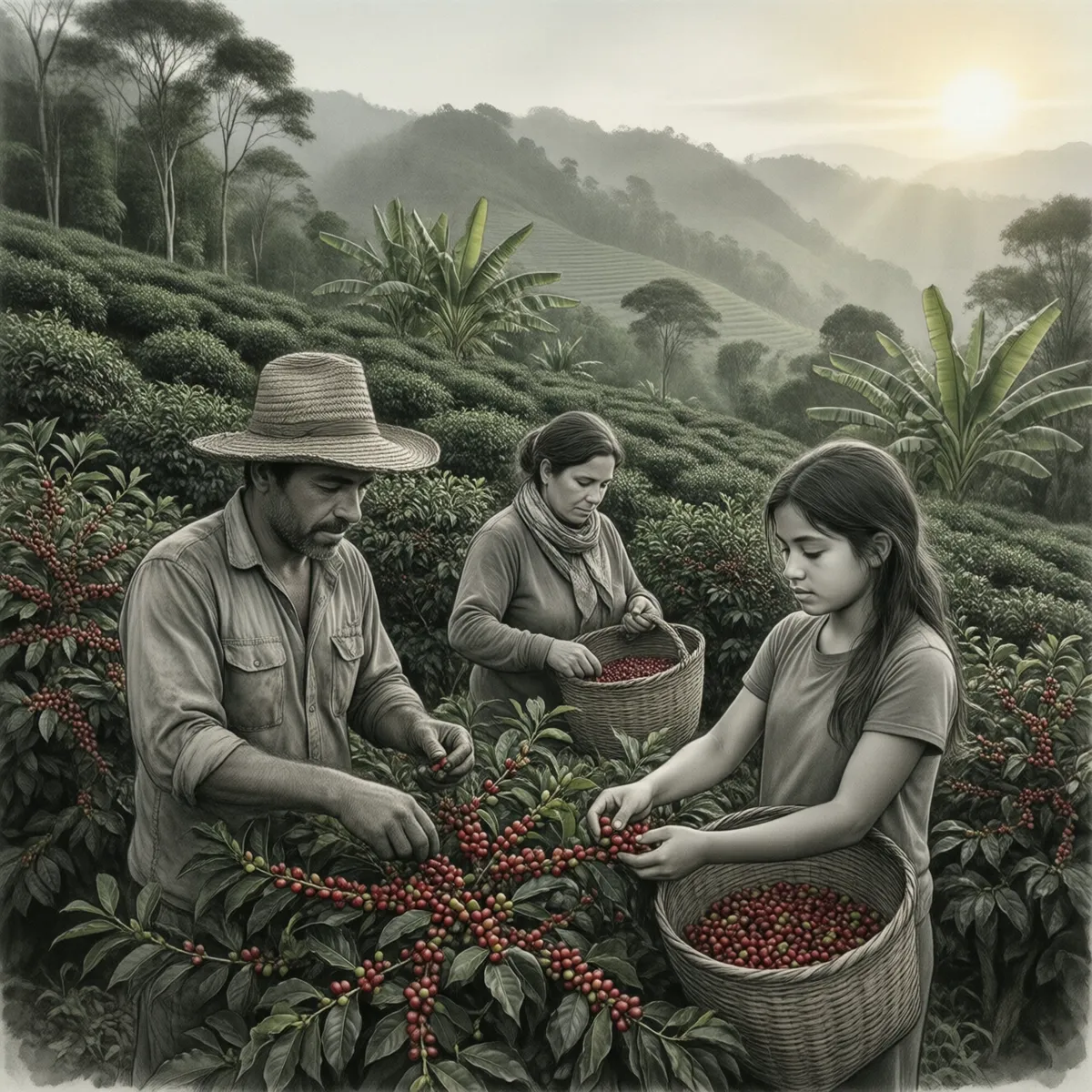
Brazil grows the most, followed by Vietnam, and for millions of farming families the little red berry pays for food, homes, and education.

So the next time you hold a warm cup, remember its long journey.
It started on a bush in the hills of Ethiopia.
Then it moved through the coffeehouses of old cities and across the ocean.
Now it is on your kitchen table.
Not bad for some berries that once made a few goats dance.