


Every sentence has a ▶ button — tap it to hear that sentence read slowly, one word at a time.
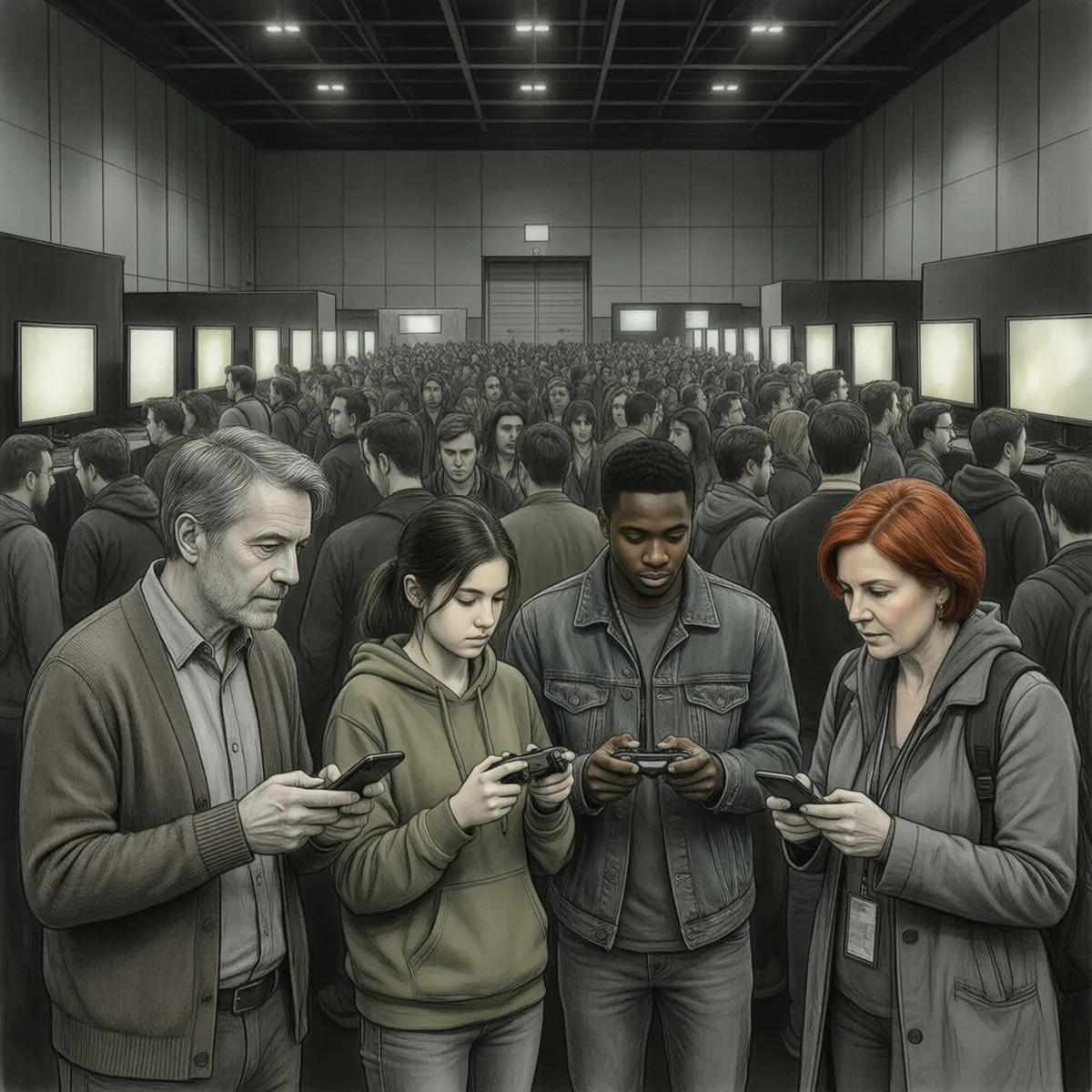
More than three billion people around the world play video games.
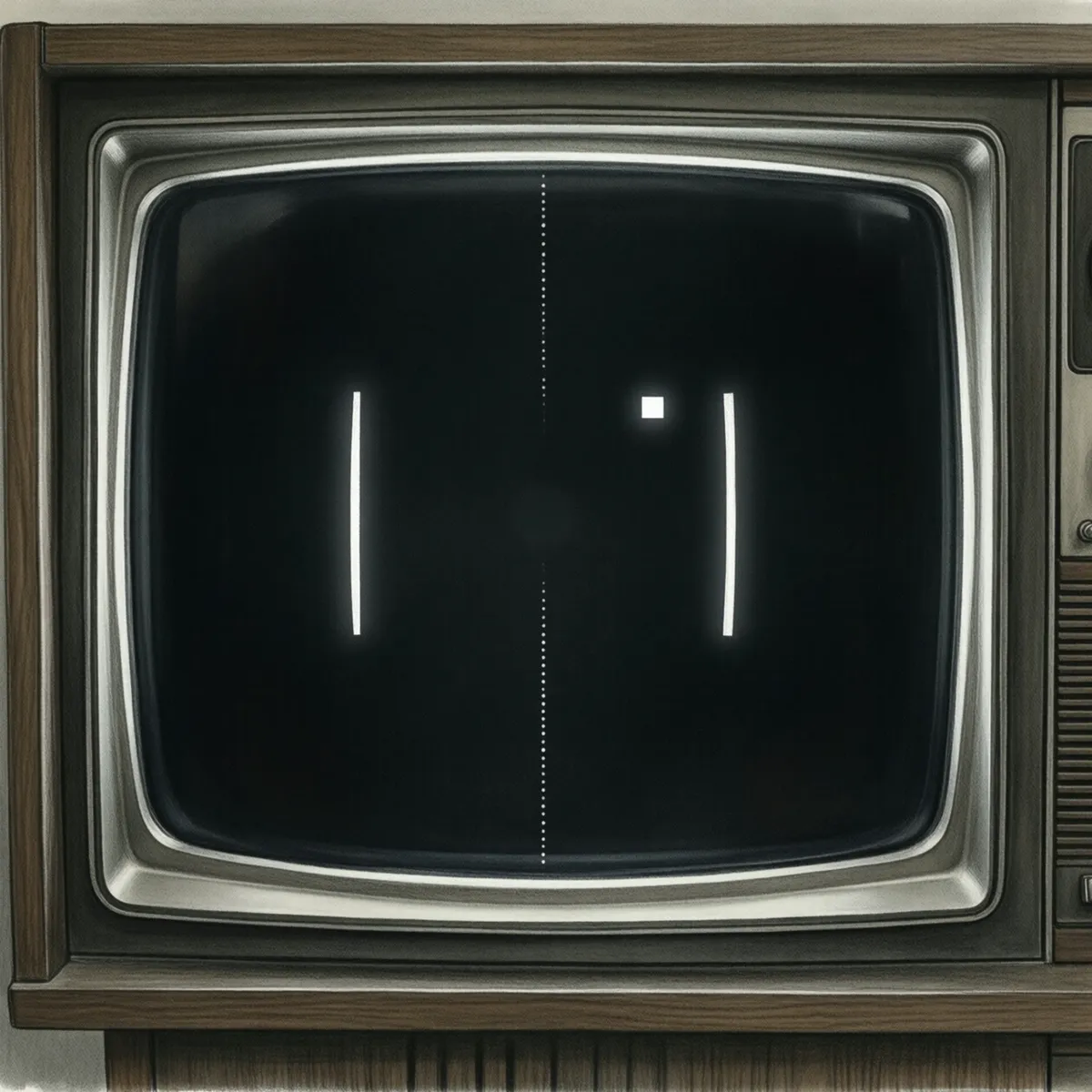
But one of the first popular games had almost nothing on its screen — just two white lines and a small dot.
The game was called Pong, a simple electronic version of table tennis.

In 1972, a young company called Atari tested the first Pong machine in a bar in California.
People loved it.
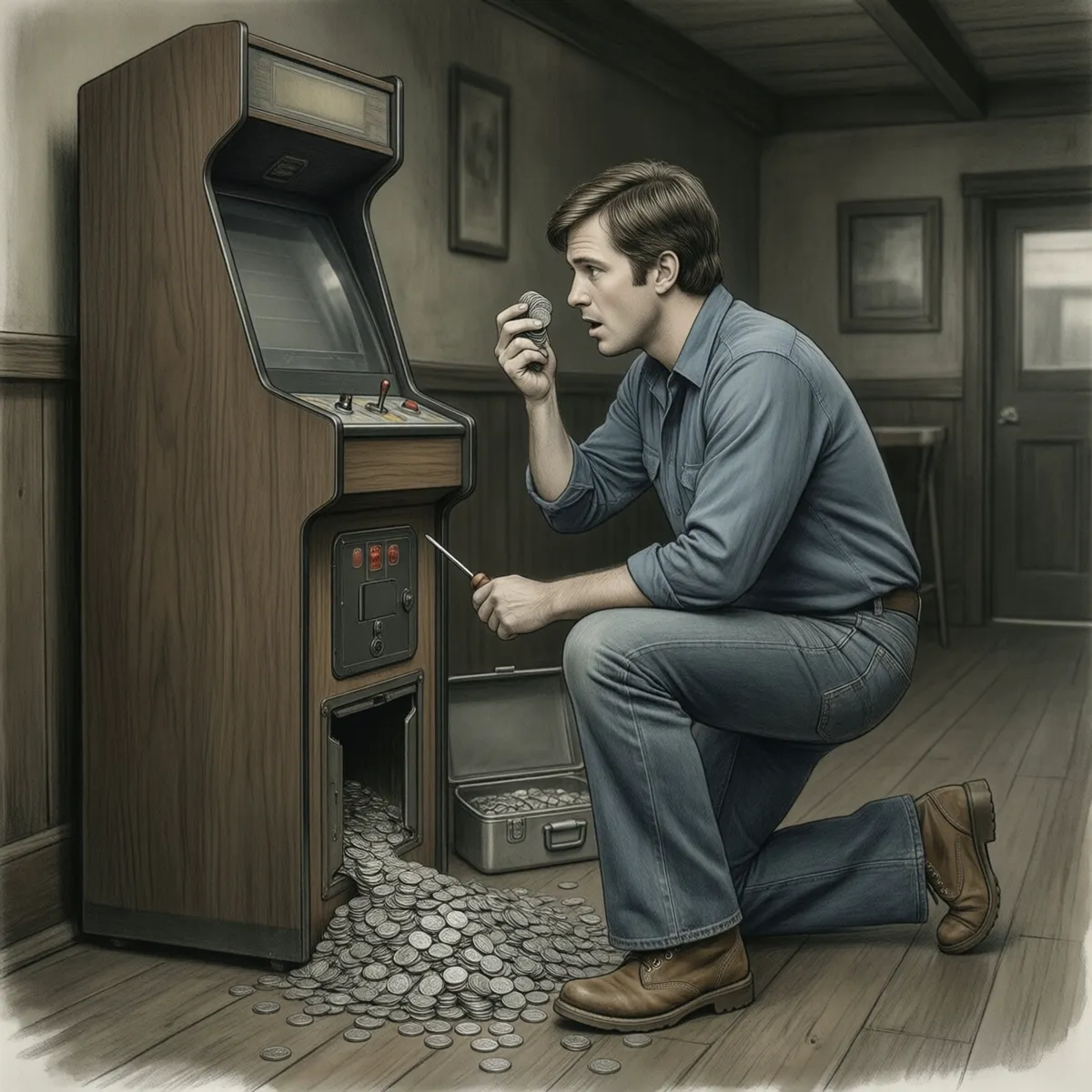
Soon the machine stopped working, and an engineer came to fix it.
When he opened it, he found the problem.
The coin box was so full that it could not take any more coins.
A new industry was born.
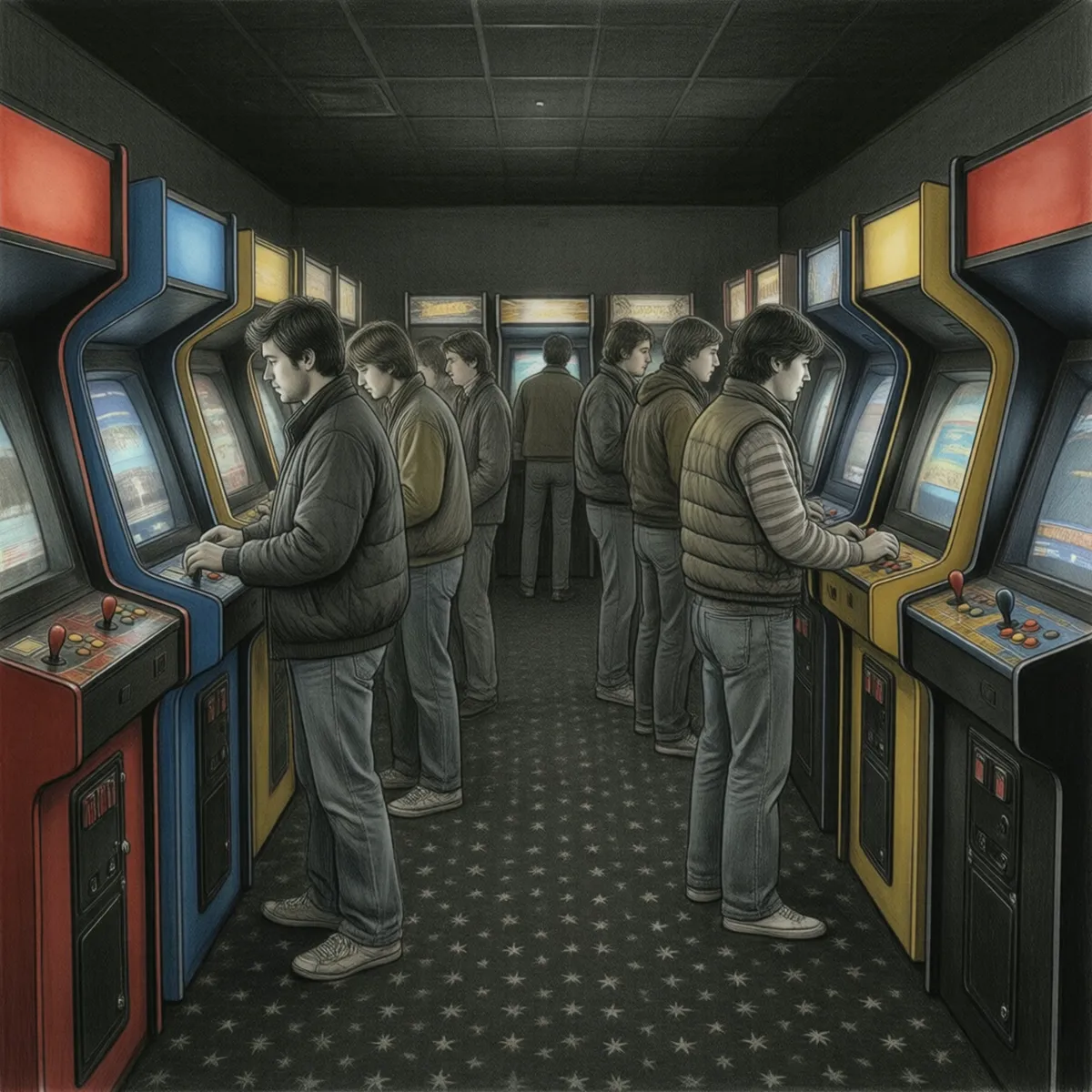
In the late 1970s, video arcades began to open in cities all over the world.
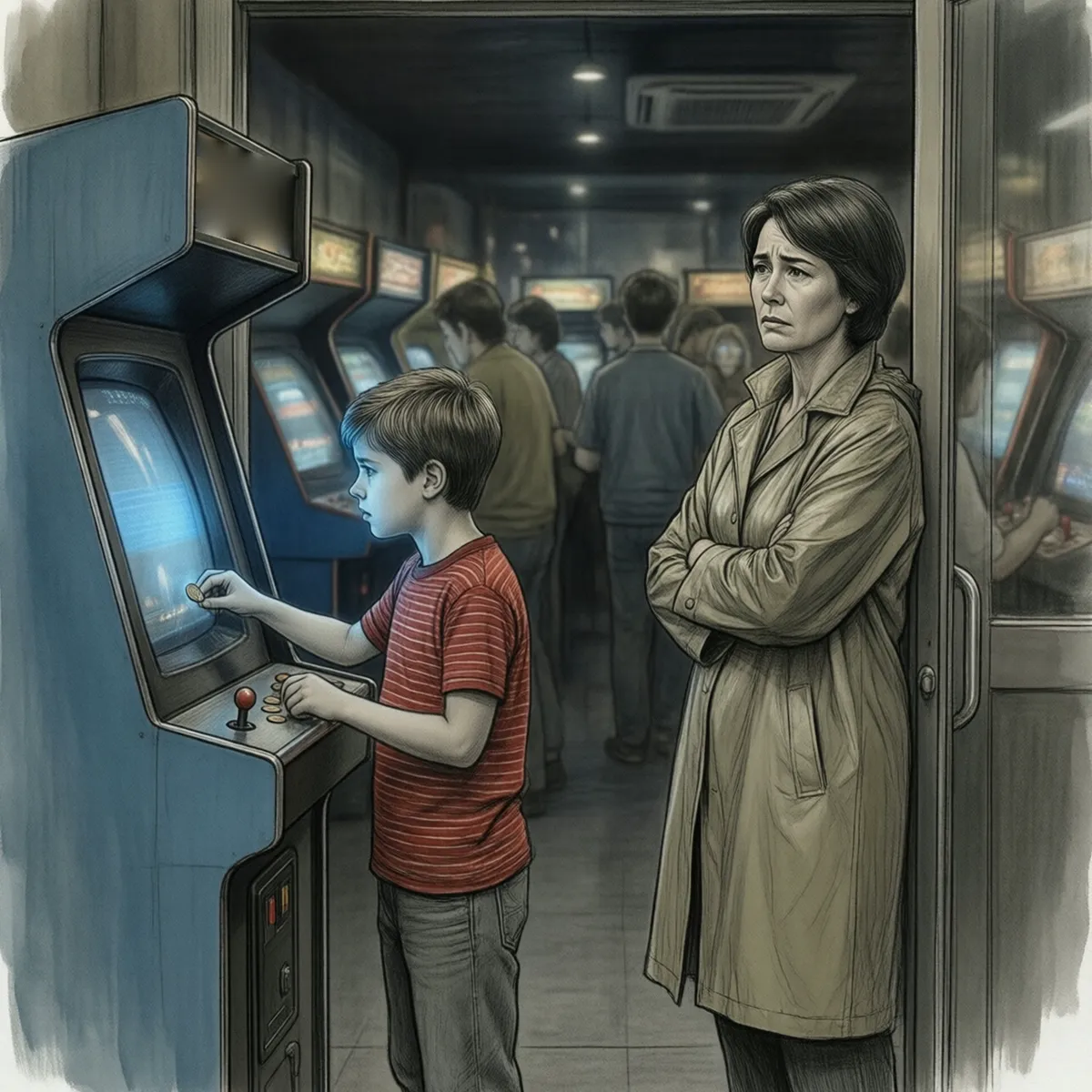
Games like Space Invaders and Pac-Man swallowed billions of coins, and many parents worried that their children played too much.
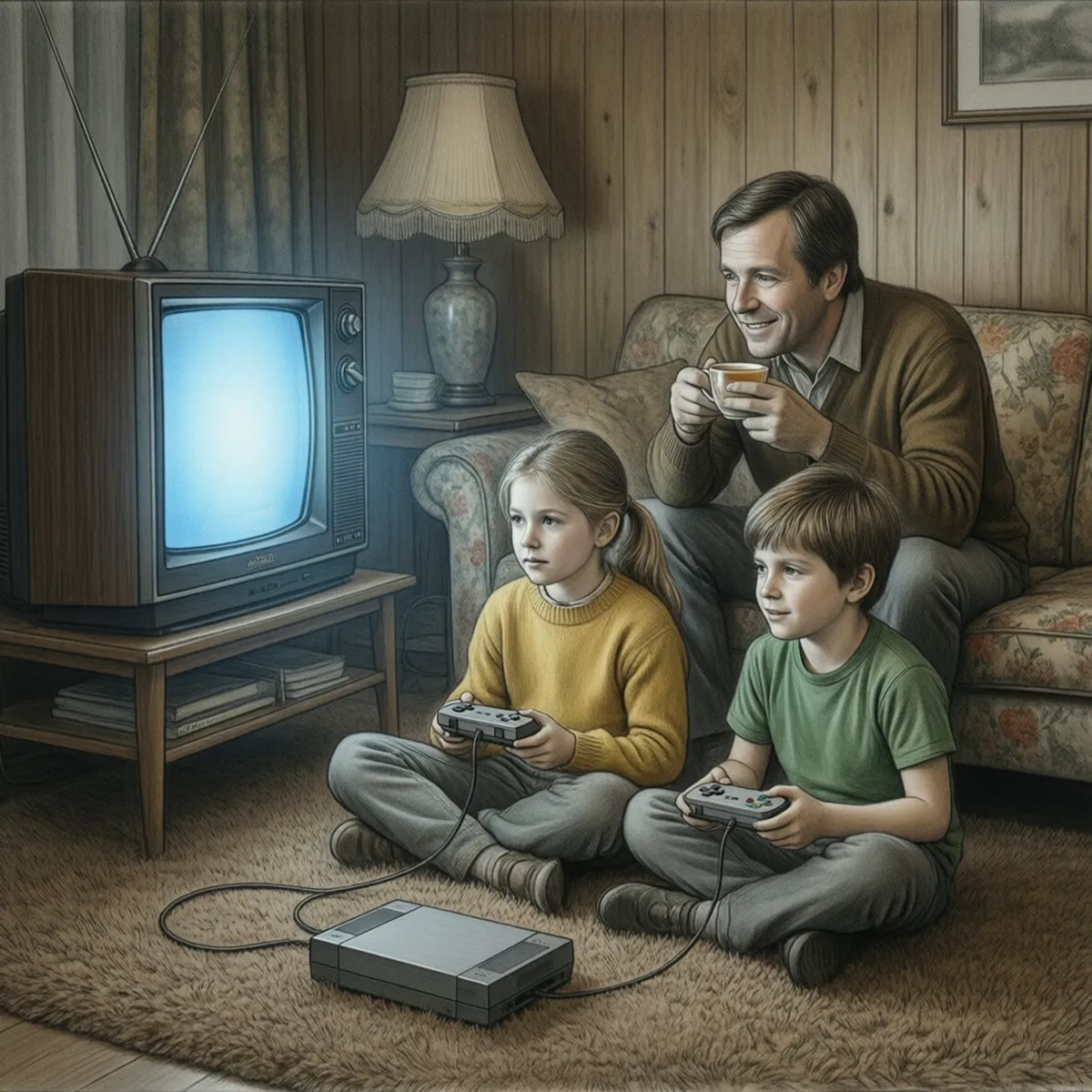
At the same time, home consoles brought the arcade into the living room.
In 1985, the Japanese company Nintendo released Super Mario Bros., and its hero, a jumping plumber named Mario, became a star.
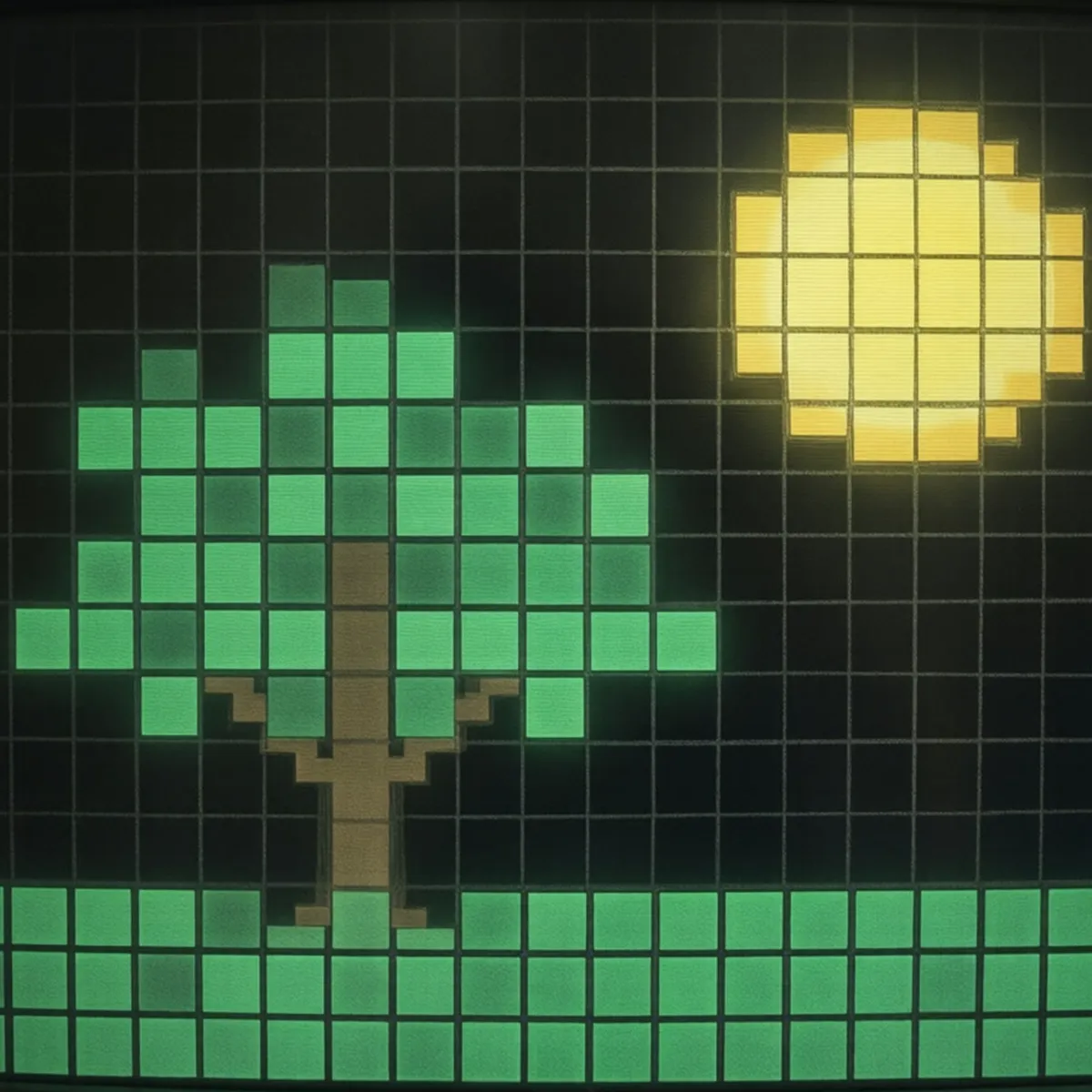
Mario first appeared in 1981, when game characters had very few pixels.

A mouth was too hard to show clearly, so his designer, Shigeru Miyamoto, gave him a big mustache instead.
Miyamoto also gave Mario a cap, because hair was hard to draw.

In 1990, a survey found that Mario was more popular with American children than Mickey Mouse.
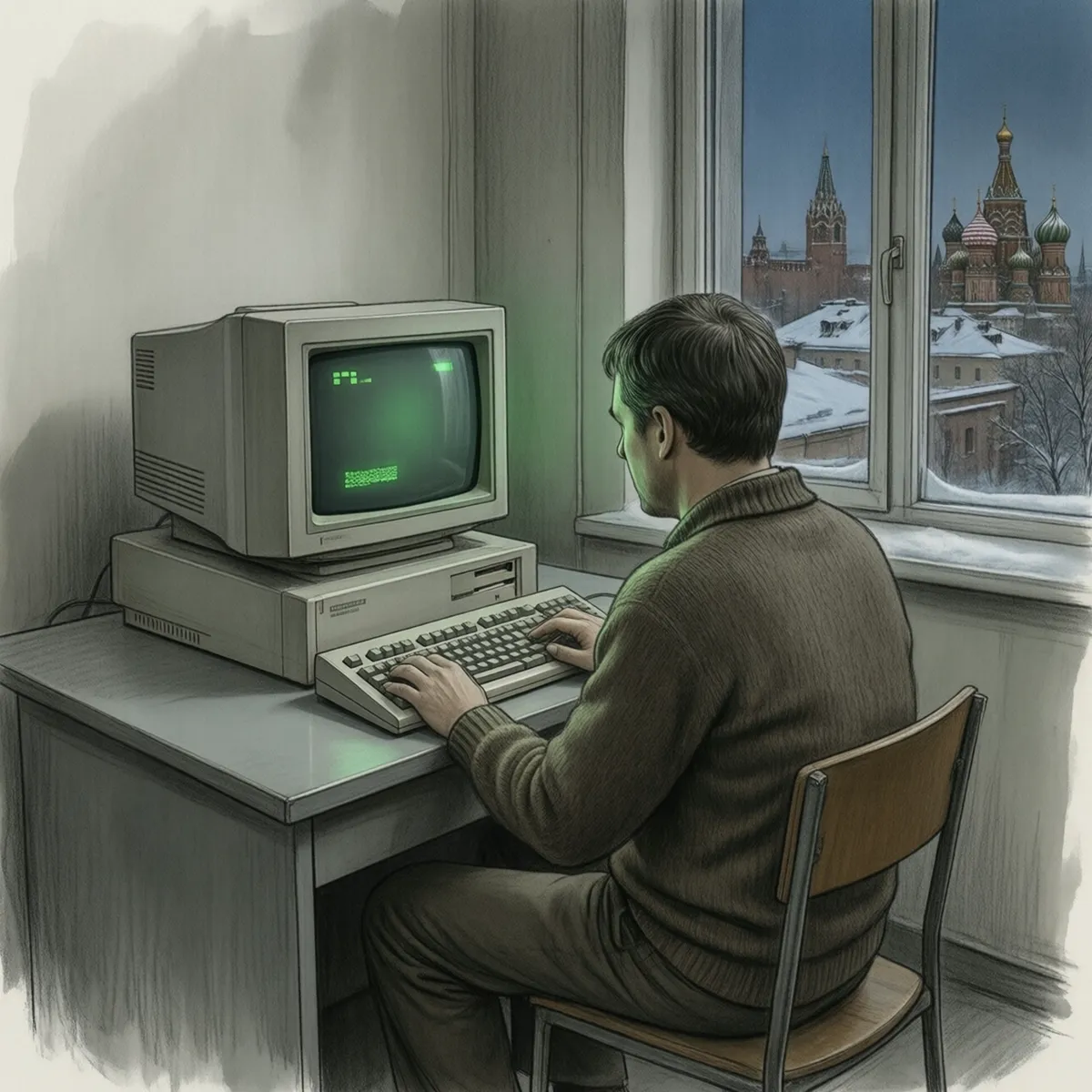
One of the most popular games of all time came from an unexpected place.
In 1984, a programmer in Moscow named Alexey Pajitnov created Tetris, a puzzle with falling blocks.

The name is a mix of tetra and tennis.
Tetra means “four” in Greek, and tennis was his favorite sport.
Every block in the game is made of four squares.
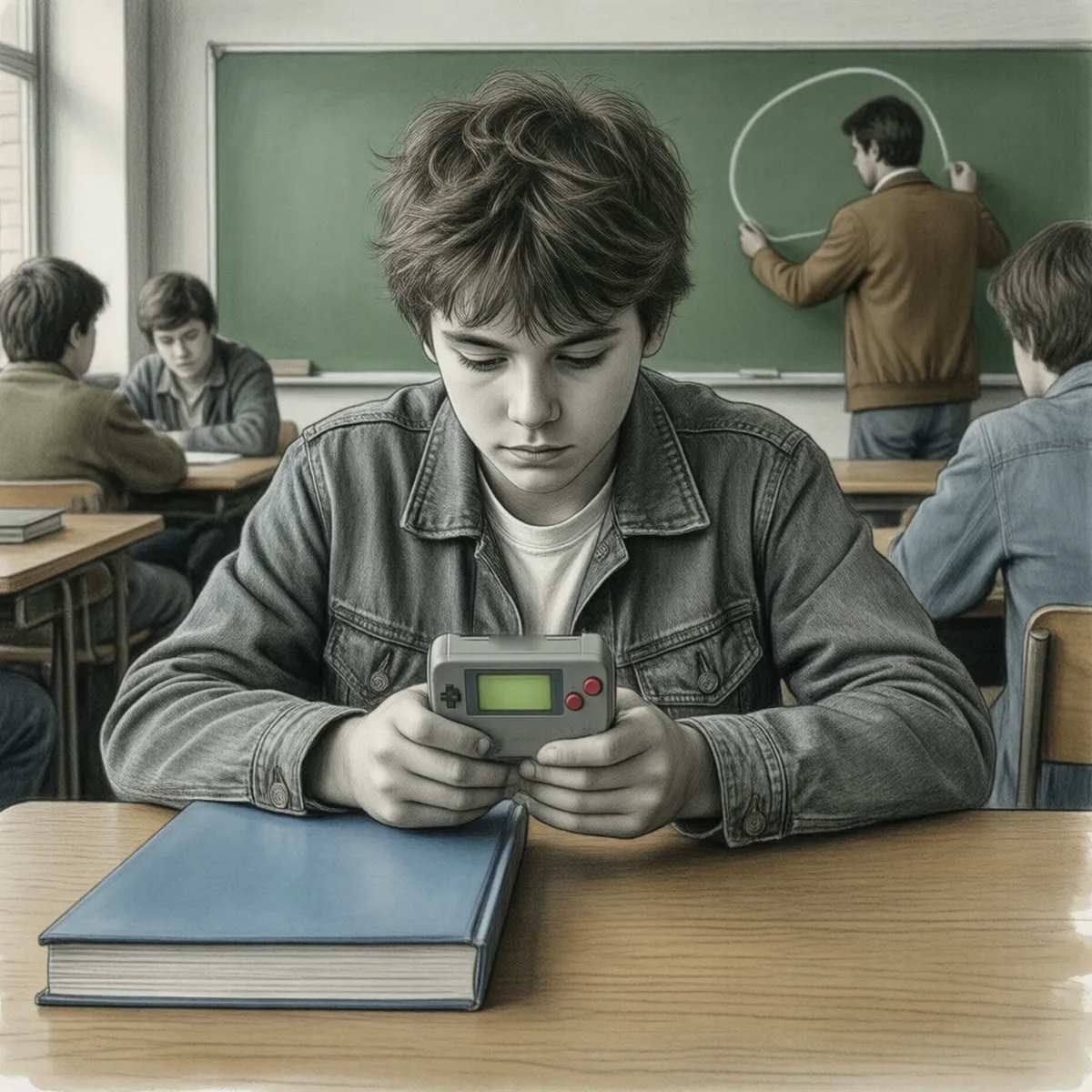
Tetris was simple, endless, and impossible to stop playing.
When it appeared on Nintendo’s Game Boy in 1989, people played it on buses, in offices, and secretly in classrooms.

But Tetris belonged to the Soviet government, so for more than ten years, Pajitnov did not earn any money from it.

In the 1990s, many games became three-dimensional.

In the 2000s, more and more games went online, and players could compete with strangers on the other side of the planet.
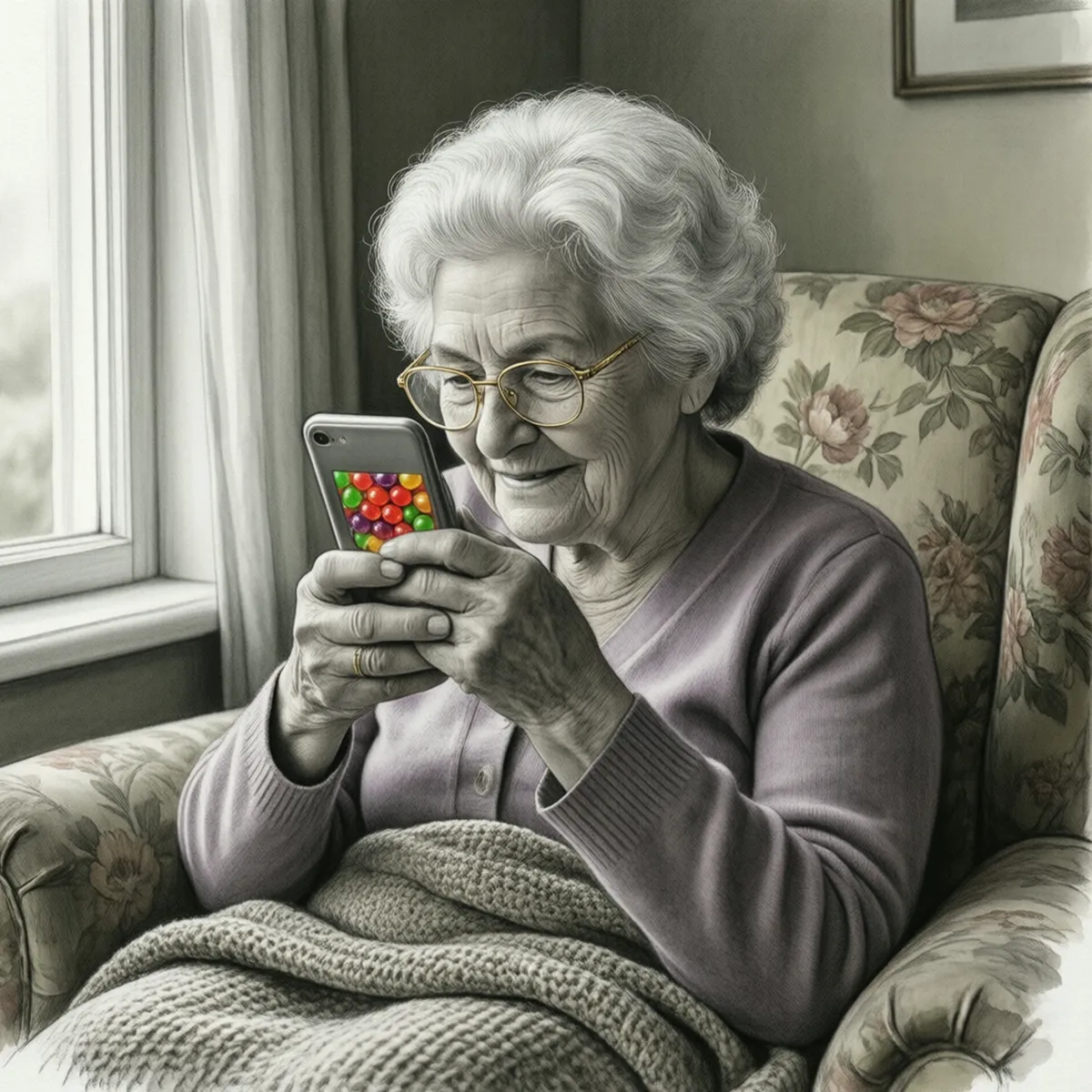
But the biggest change came with the smartphone.
Suddenly, billions of people carried a game machine in their pockets, and many who never called themselves “gamers” spent hours matching colored candies.

Today, video games earn more money than movie tickets and music combined, and about half of that money comes from games on phones.

Games are also used in schools, in hospitals, and in job training.

And in a nice twist, old pixel games from the 1980s have become popular again.
In 2016, Nintendo released a small copy of its 1980s console with thirty old games inside, and it sold out almost immediately.
Not bad for an industry that began with two white lines and a small dot.