
Every sentence has a ▶ button — tap it to hear that sentence read slowly, one word at a time.
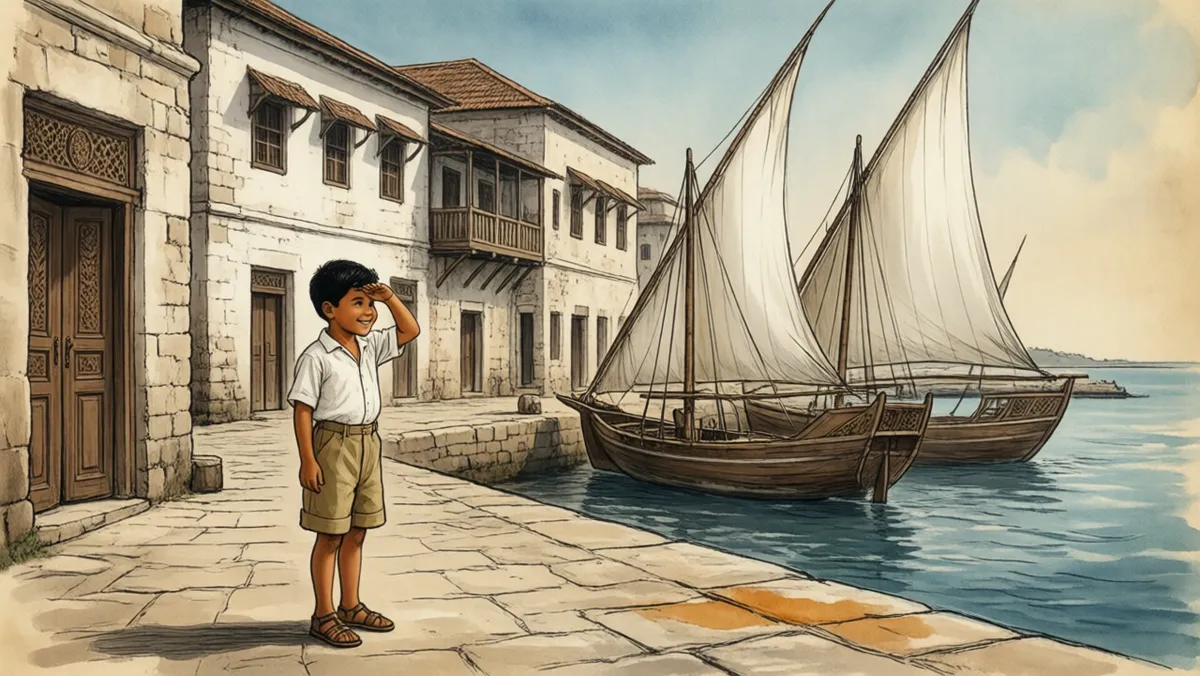
Freddie Mercury was born on September 5, 1946, on the island of Zanzibar, in East Africa.
His name then was Farrokh Bulsara, and his parents came from India.
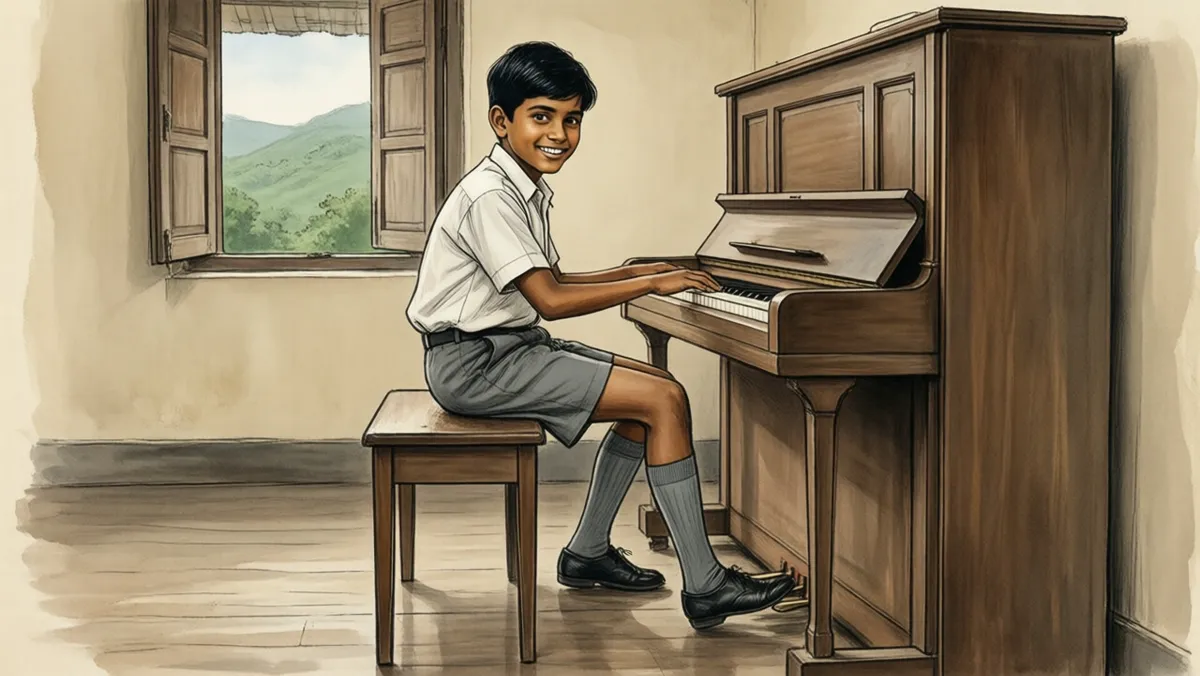
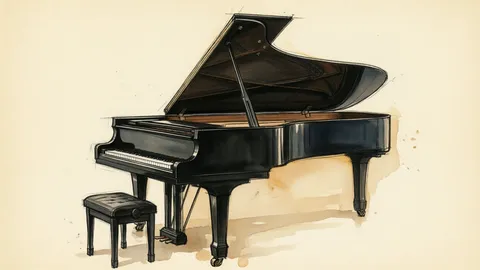
At eight he went to a boarding school in India, where he learned the piano and started his first band.
He was born with four extra teeth.
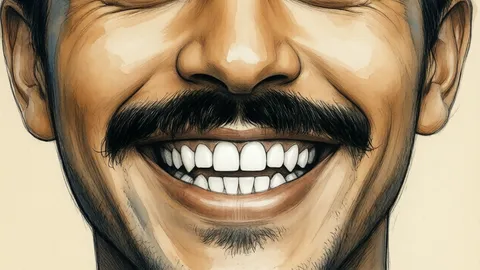
Other children teased him, but he never fixed them — he believed they helped his voice.

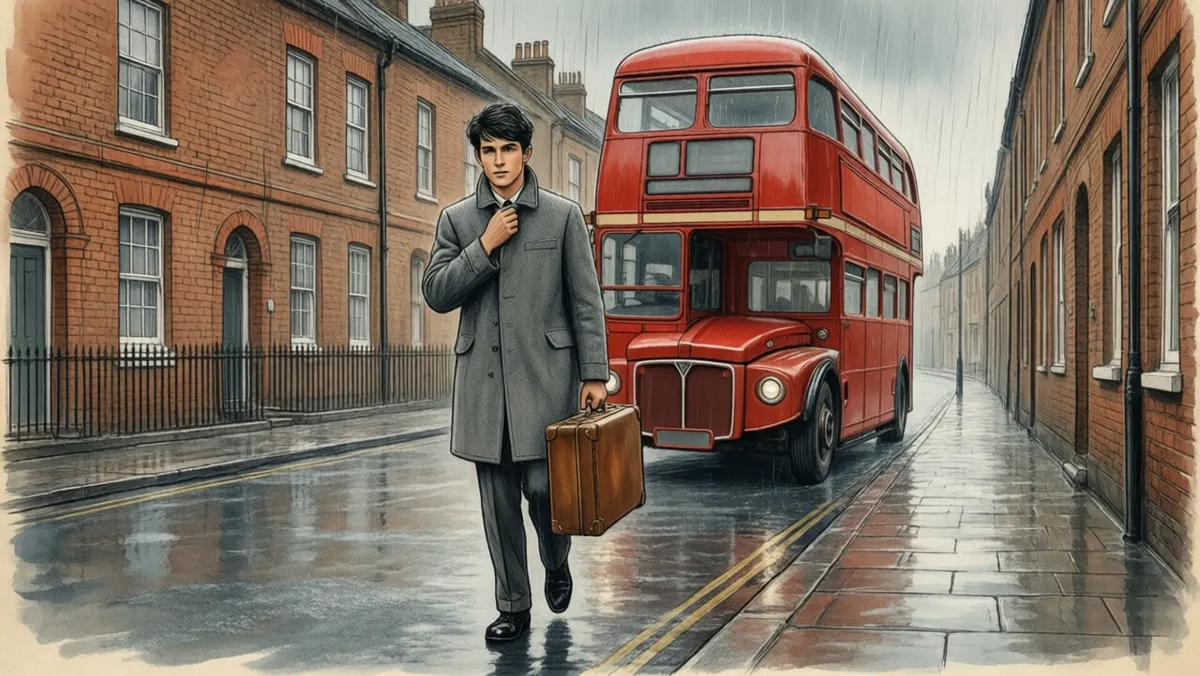
In 1964 a revolution broke out in Zanzibar, and the family fled to England.
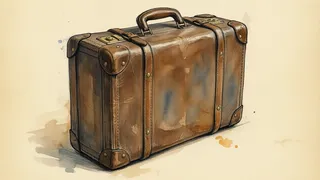
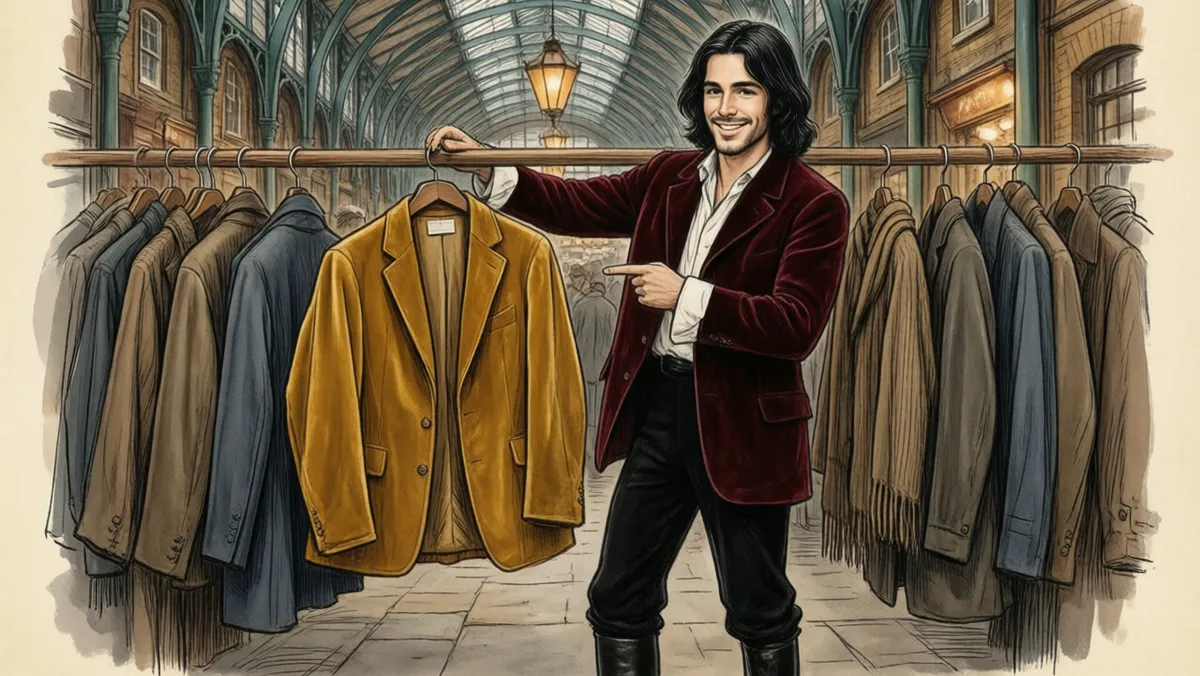
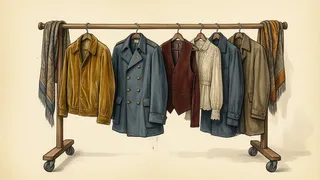
Freddie studied art in London and sold old clothes at a market stall.
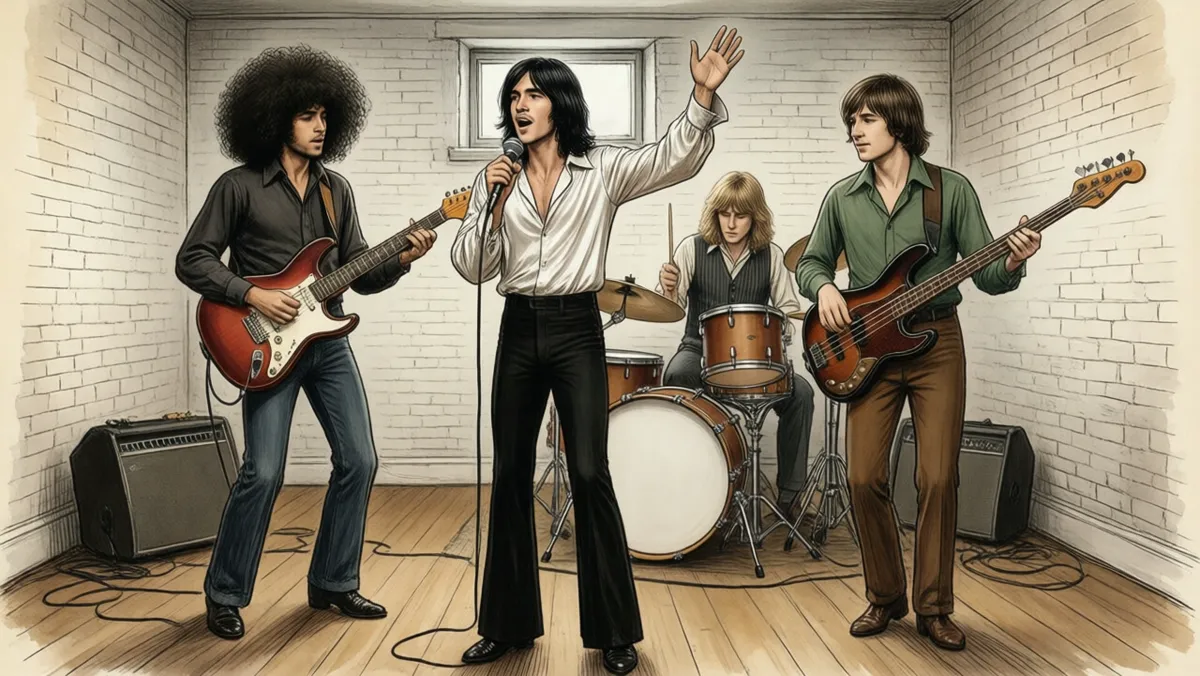
In 1970 he joined two other musicians, Brian May and Roger Taylor.
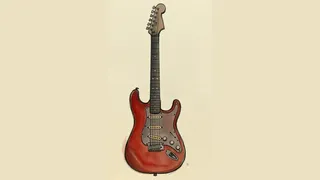
He named the band Queen and named himself Mercury.
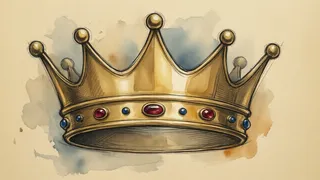
A year later John Deacon joined, and Queen was complete.

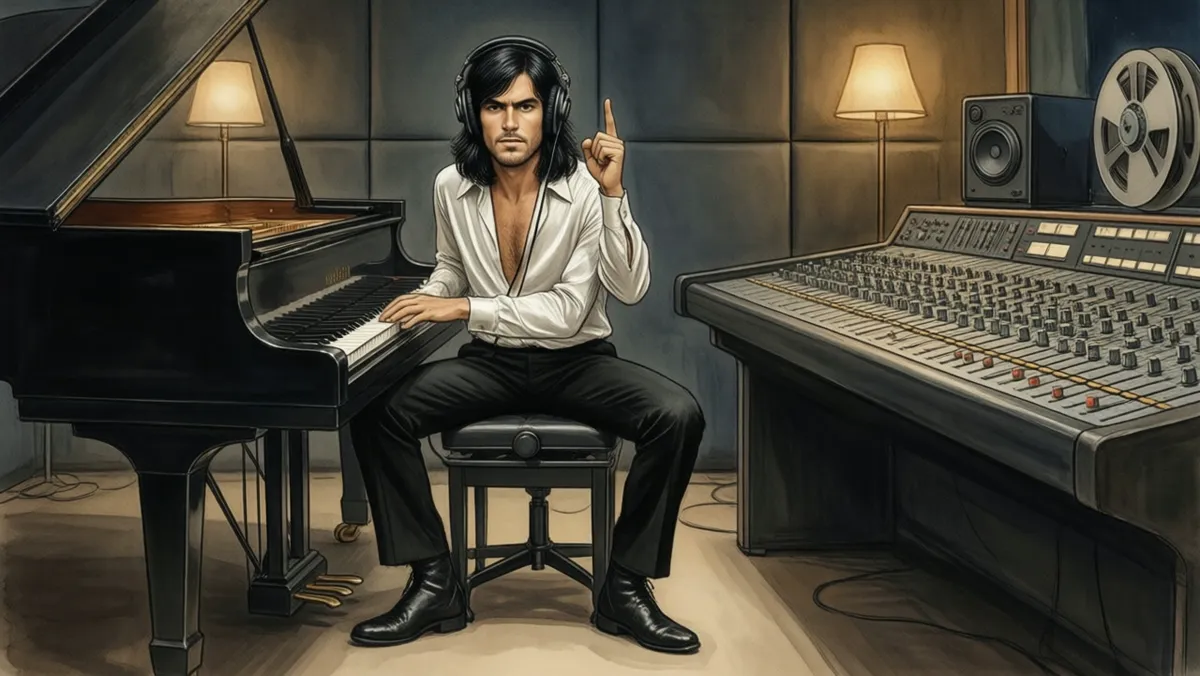
In 1975 Freddie wrote a song almost six minutes long, with an opera in the middle.

The music company said it was too long for the radio.
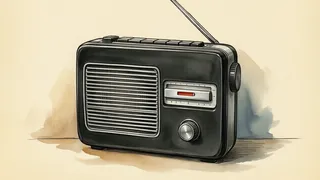
Freddie refused to cut it: 'It either goes out in its entirety, or not at all.'

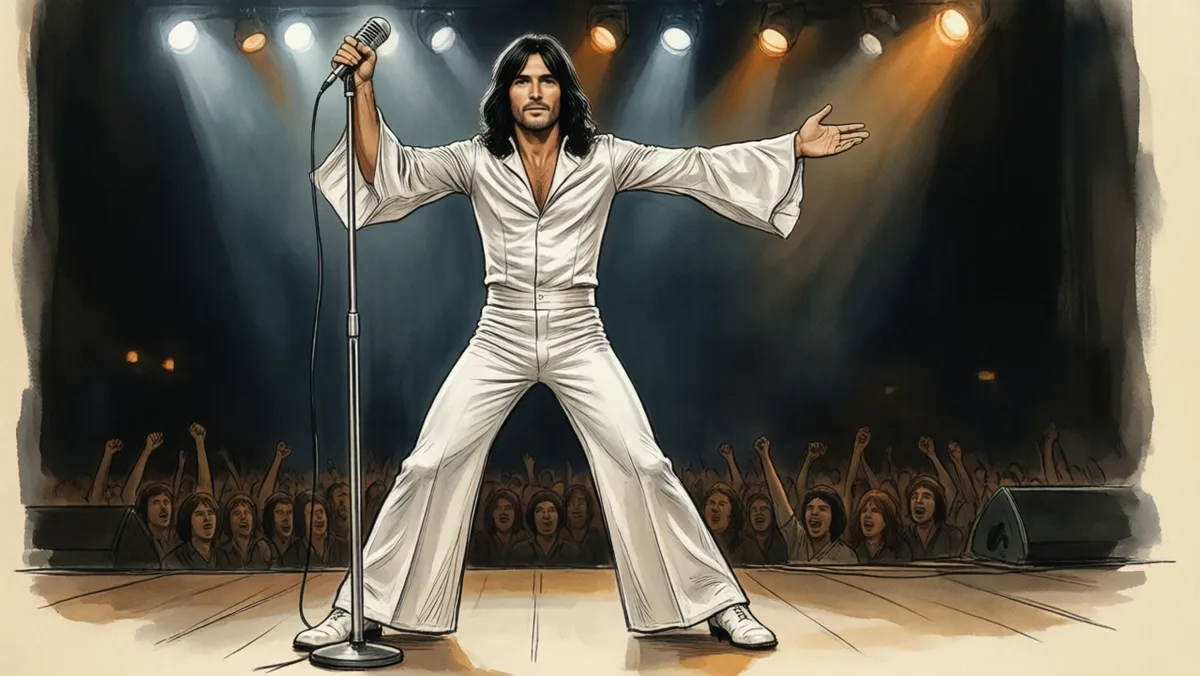
Bohemian Rhapsody stayed at number one in Britain for nine weeks.
He also wrote We Are the Champions and Don't Stop Me Now.
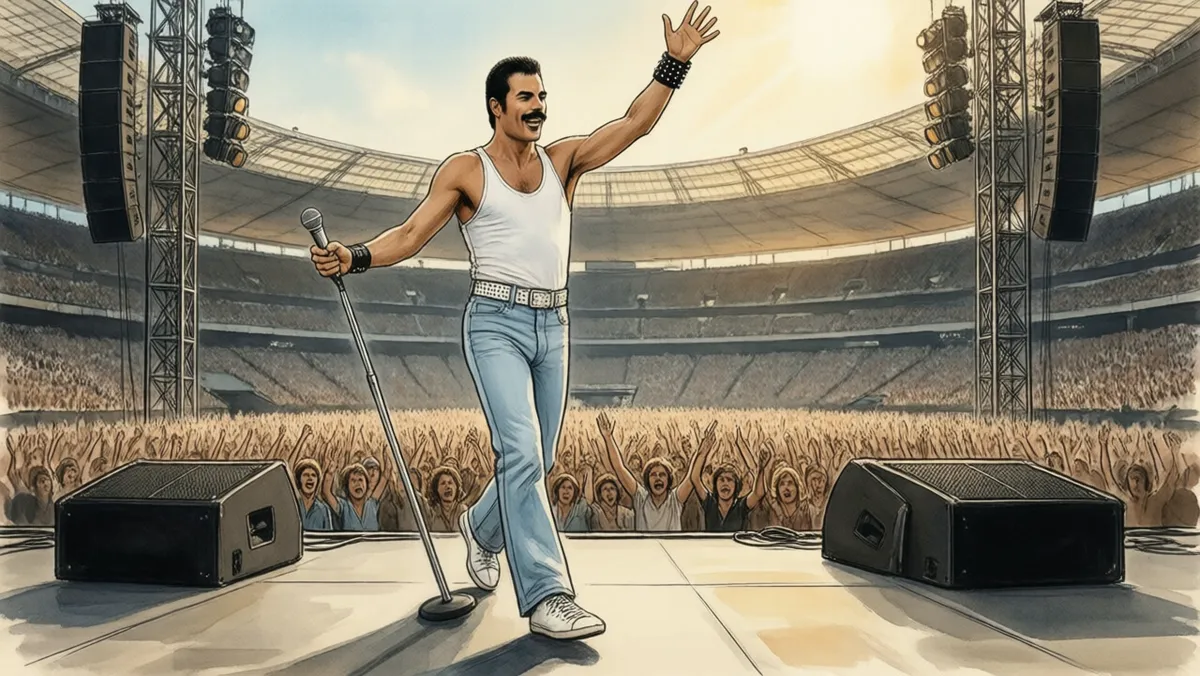
On July 13, 1985, Queen played at Live Aid, a giant concert for hungry people in Africa.

Seventy-two thousand people filled Wembley Stadium, and more than a billion watched on television.
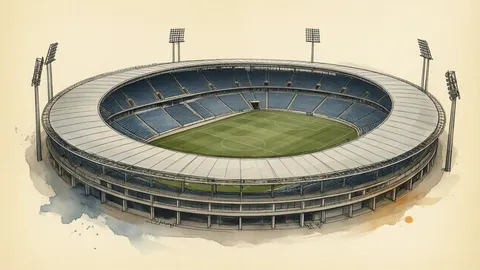
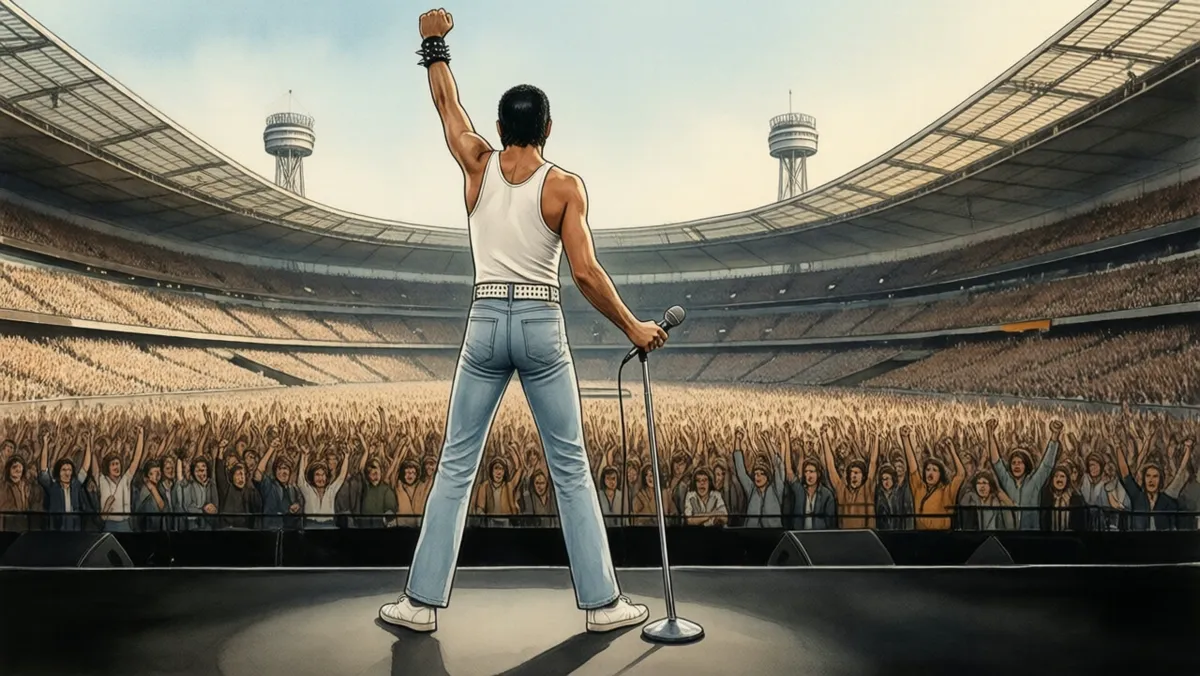
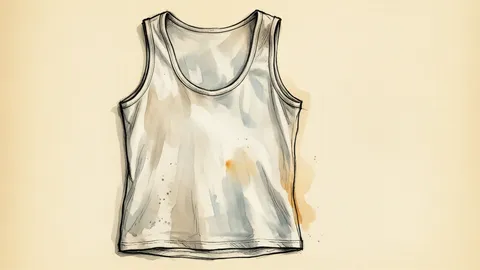
Freddie, in a white tank top and jeans, walked to the front of the stage and sang a few simple notes.
Seventy-two thousand voices sang them back.
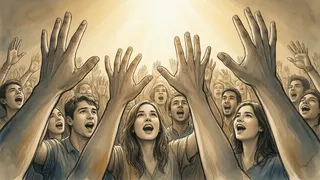
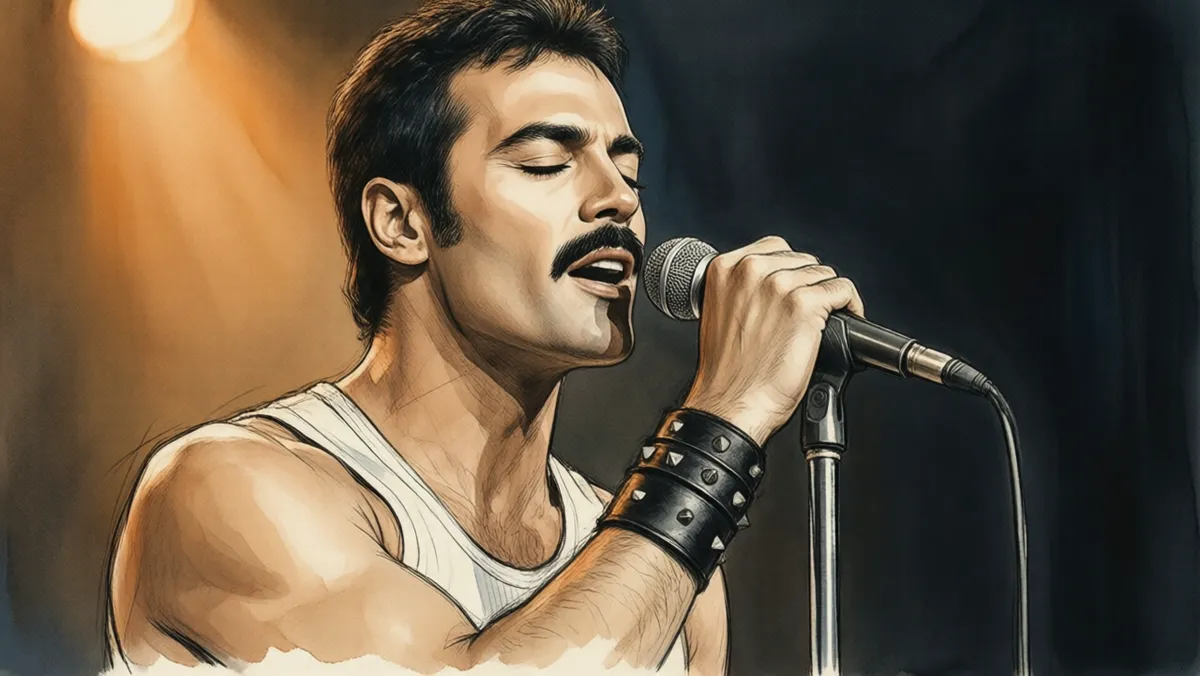
It lasted only twenty minutes, but many call it the greatest rock performance ever.
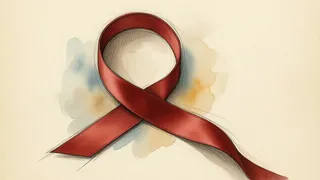
In 1987 Freddie learned that he had AIDS.
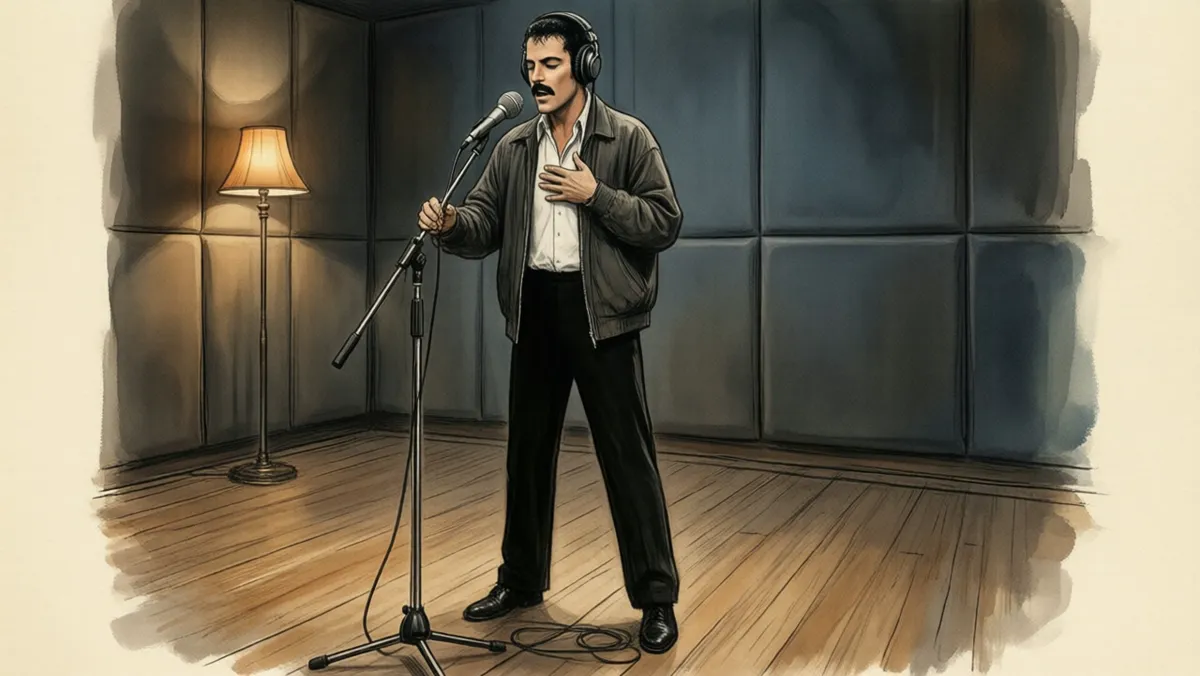
He kept it secret and went on recording with the band while he could still stand at the microphone.
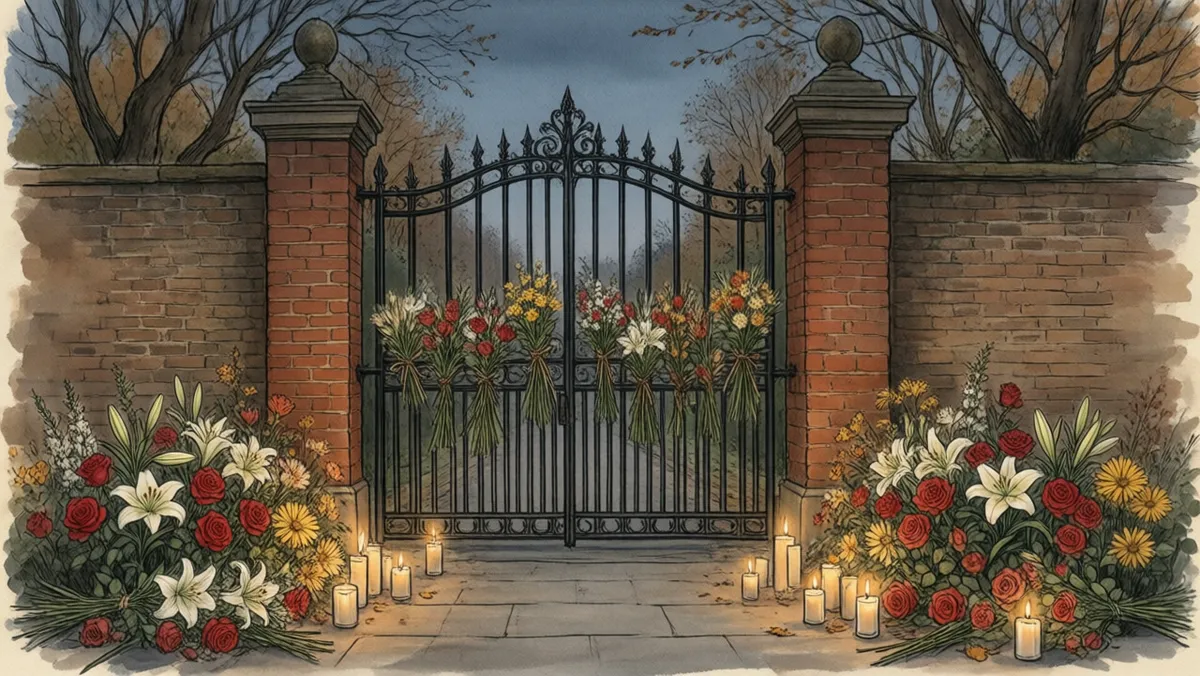
On November 23, 1991, he told the world about his illness.

He died the next day at home in London, aged forty-five.
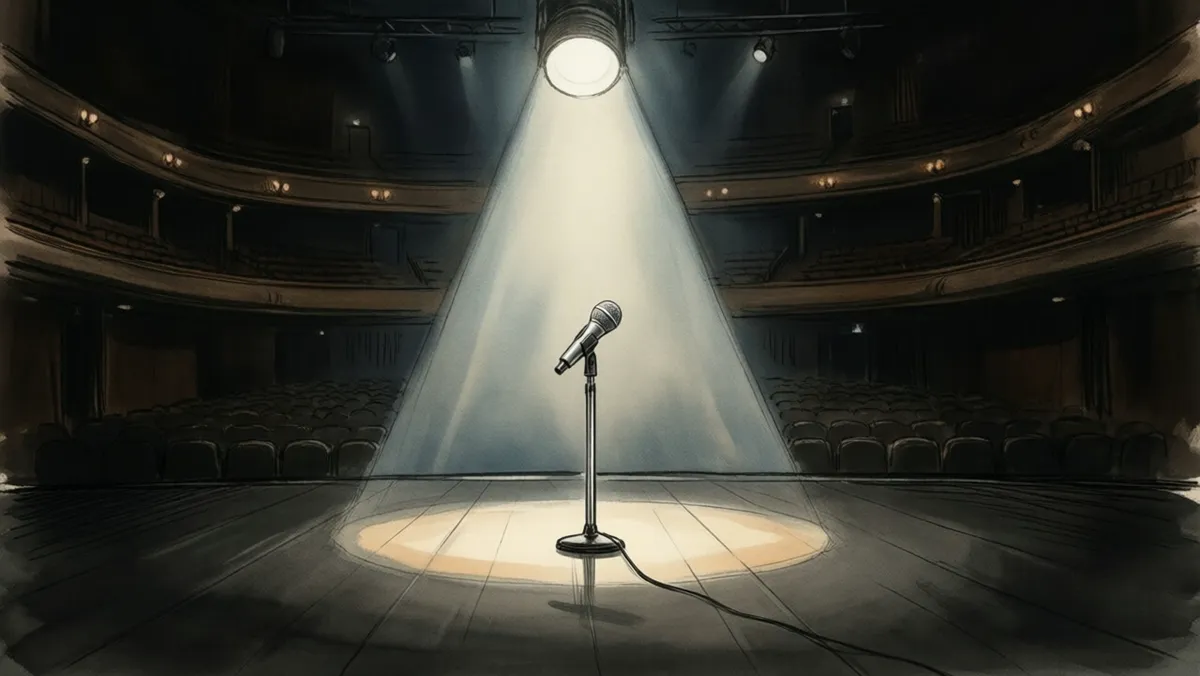
His last single with Queen came out six weeks before his death.
Its title says everything about him: The Show Must Go On.