
Every sentence has a ▶ button — tap it to hear that sentence read slowly, one word at a time.
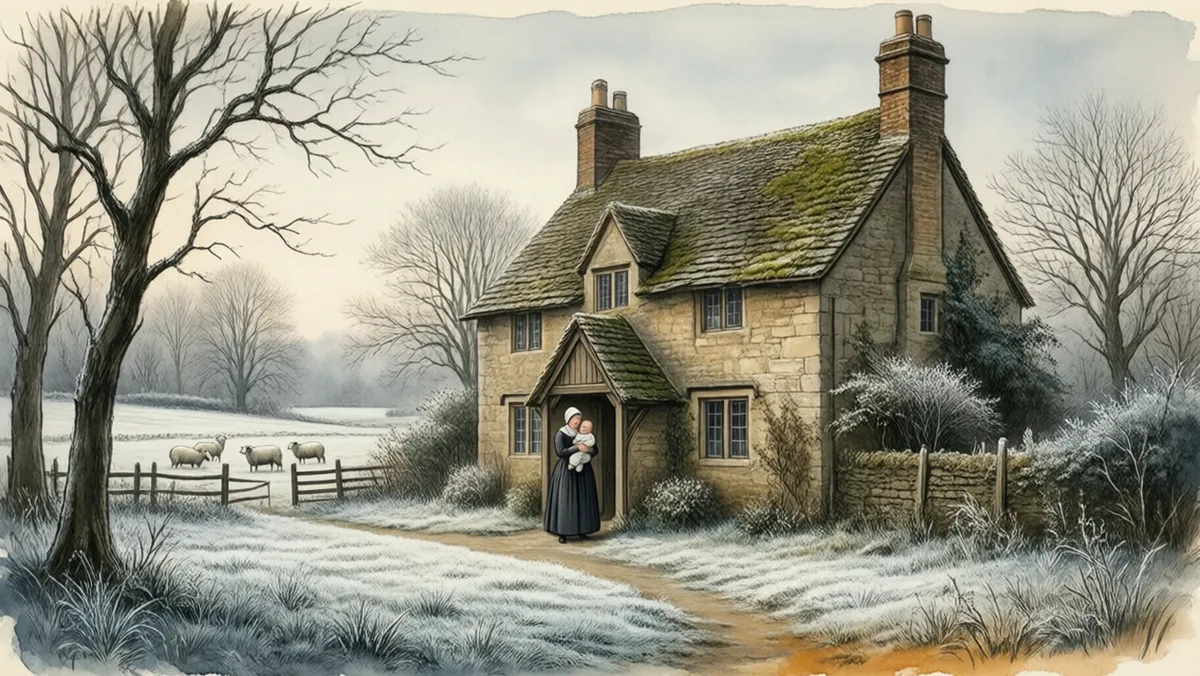
Isaac Newton was born on a farm in Woolsthorpe, England, in 1642.
His father died before he was born, and his mother wanted him to run the family farm one day.
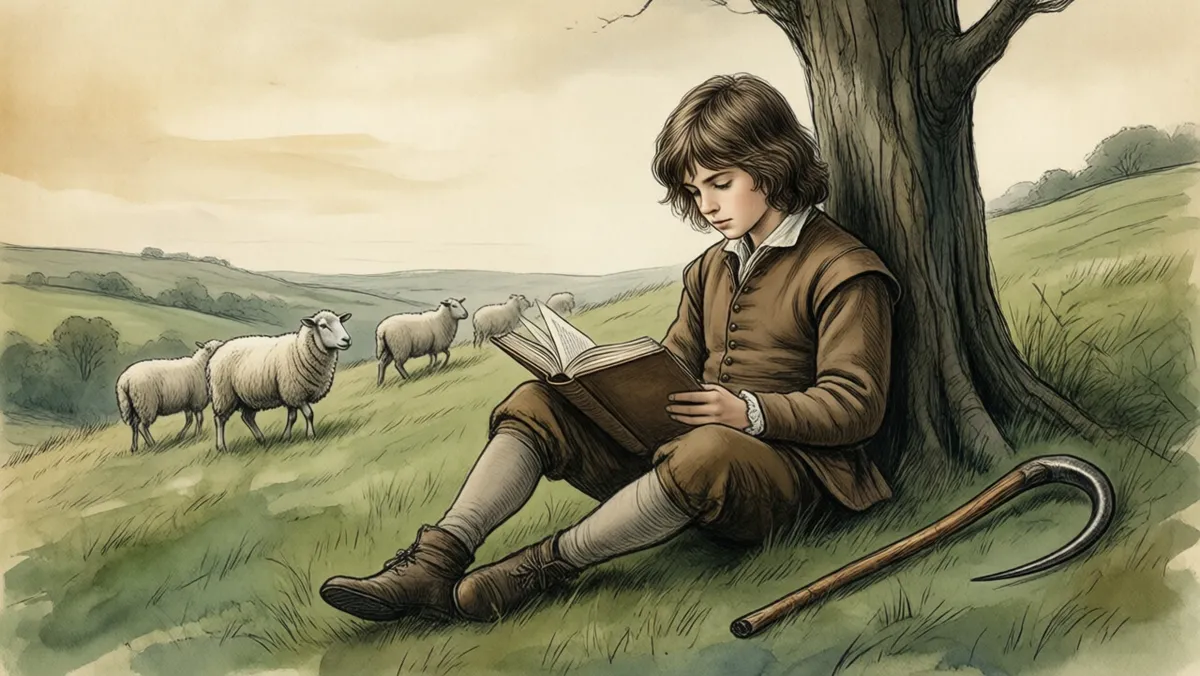
But young Isaac was a terrible farmer.
He read books when he should have watched the sheep.
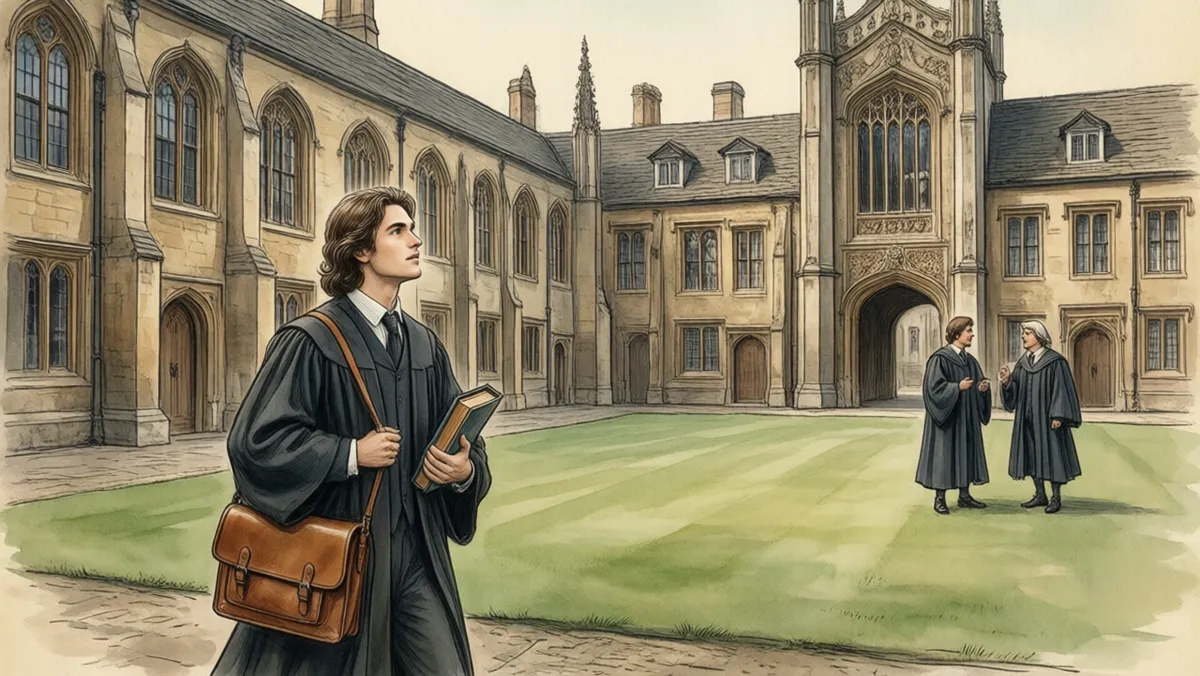
In the end, the family sent him to Cambridge University instead.
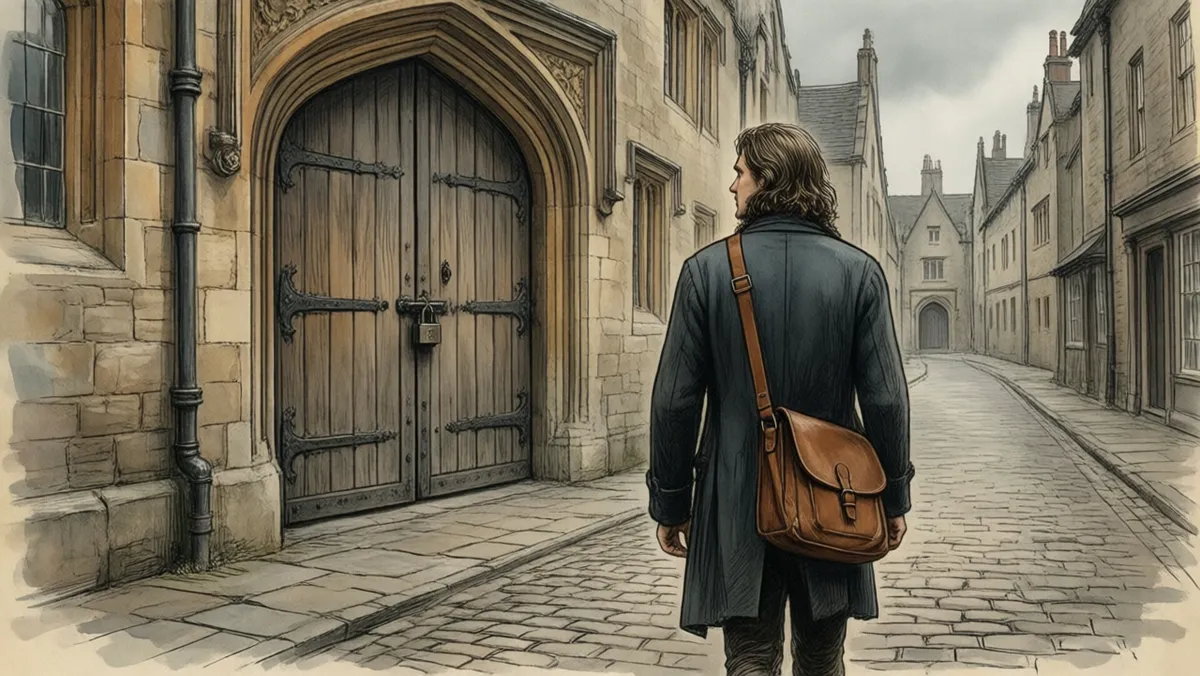
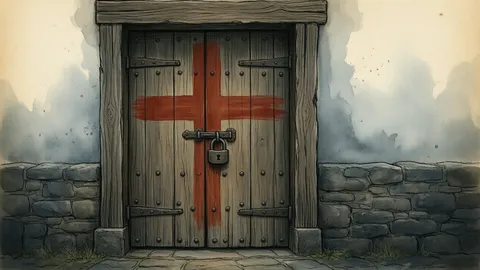
In 1665 a deadly sickness, the plague, spread across England, and the university closed.
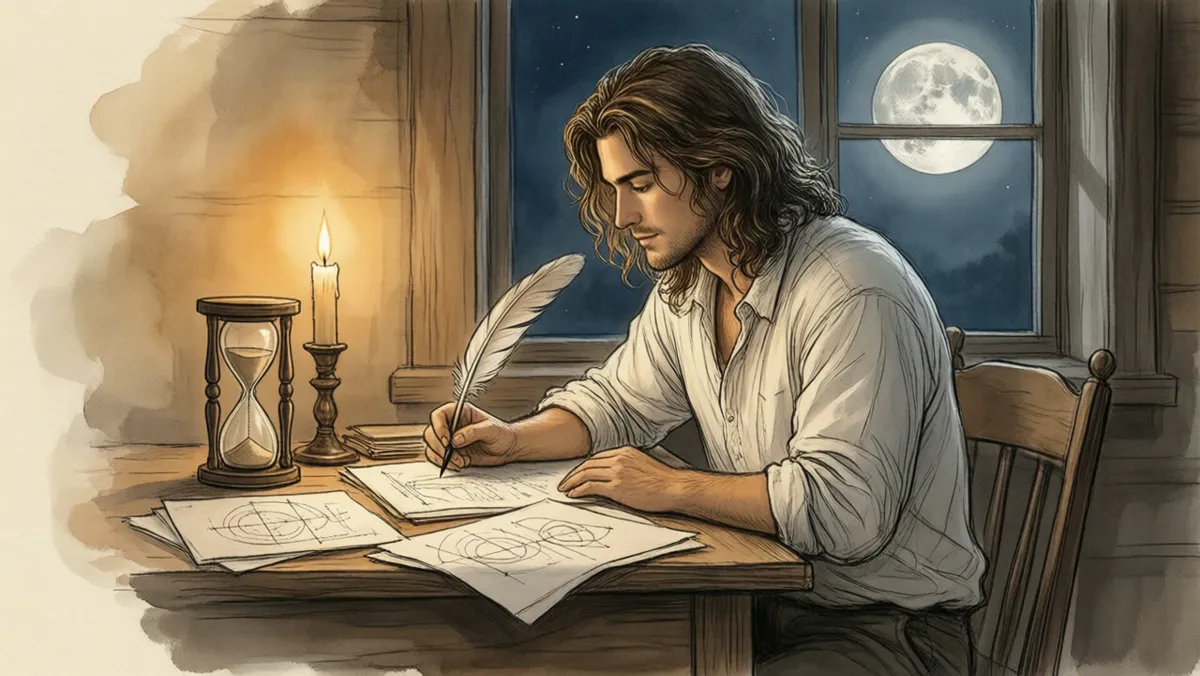
Newton went home to the farm for almost two years.
Those quiet months became the most productive time of his life.
He worked out new math, studied light, and began to think about gravity.
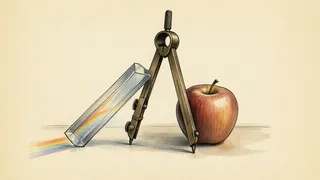
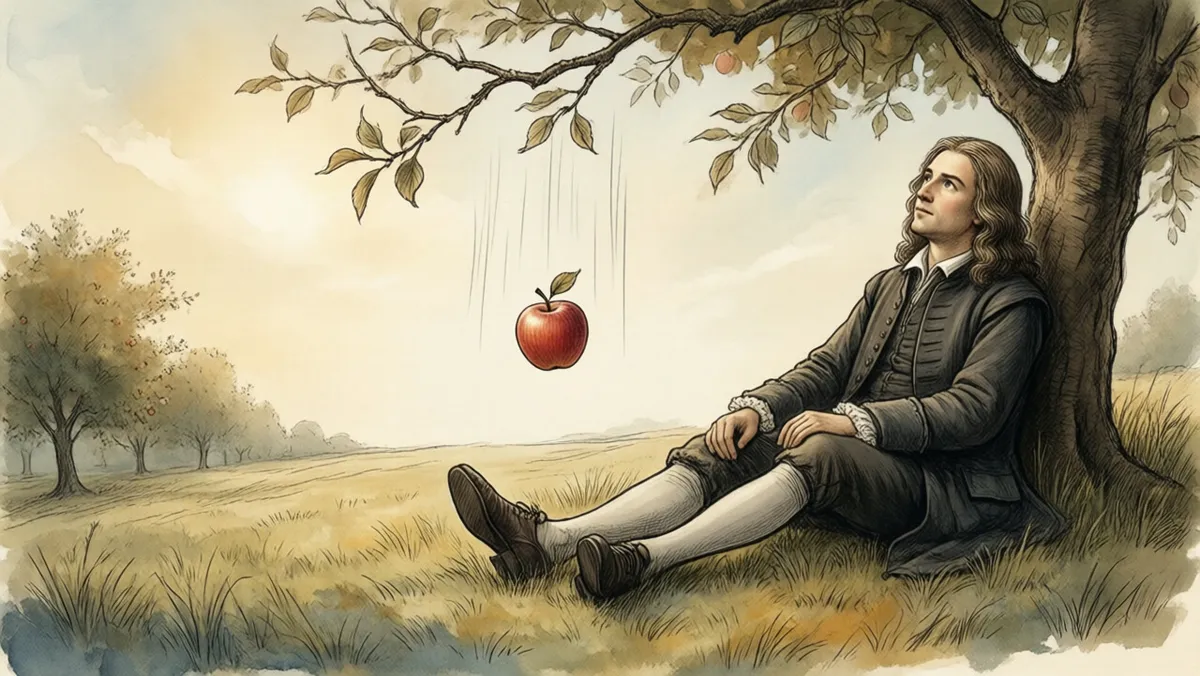
A famous story says he watched an apple fall from a tree and asked himself a simple question:
does the same force that pulls the apple also hold the Moon on its path around the Earth?
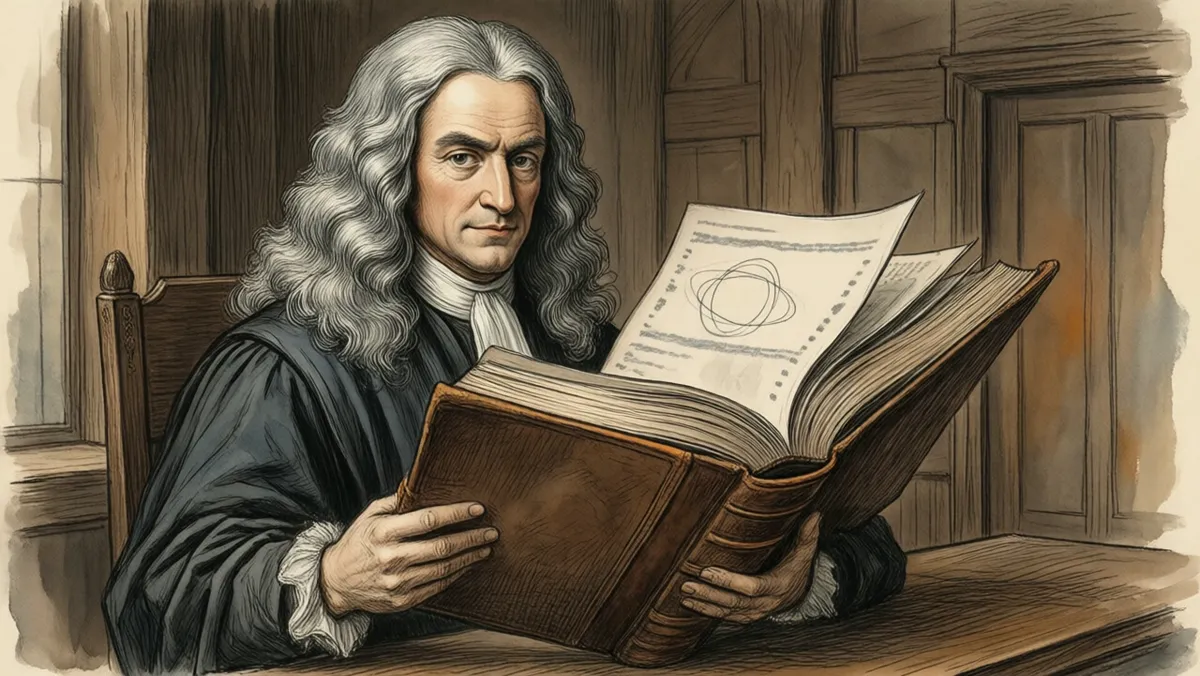
Years later, Newton put his ideas into a book that many call the most important science book ever written.
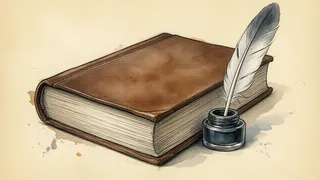
In it he described three laws of motion and the law of gravity.
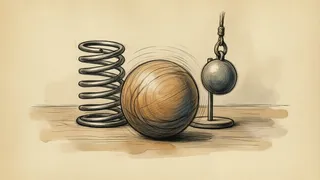
With a few clear rules, he explained the fall of an apple, the rise of the tides, and the paths of the planets.
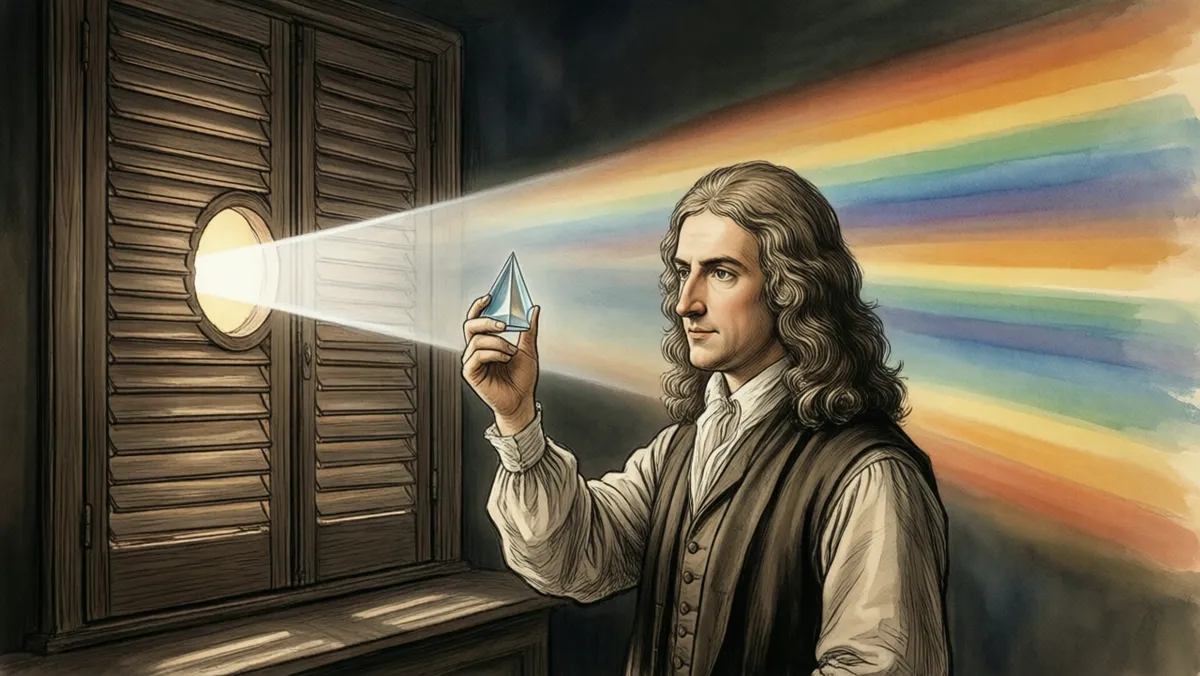
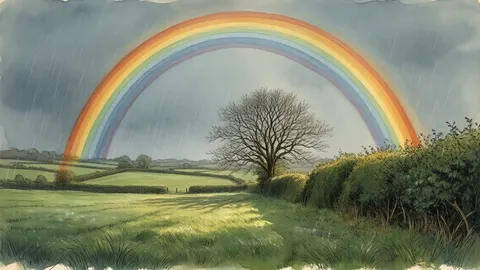
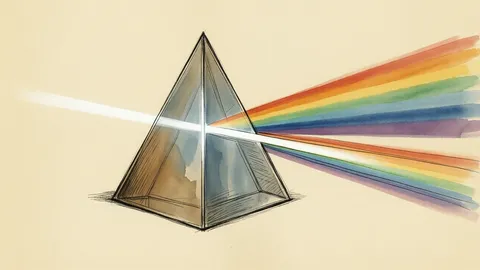
Newton also showed, using glass prisms, that white light is really a mix of all the colors of the rainbow.
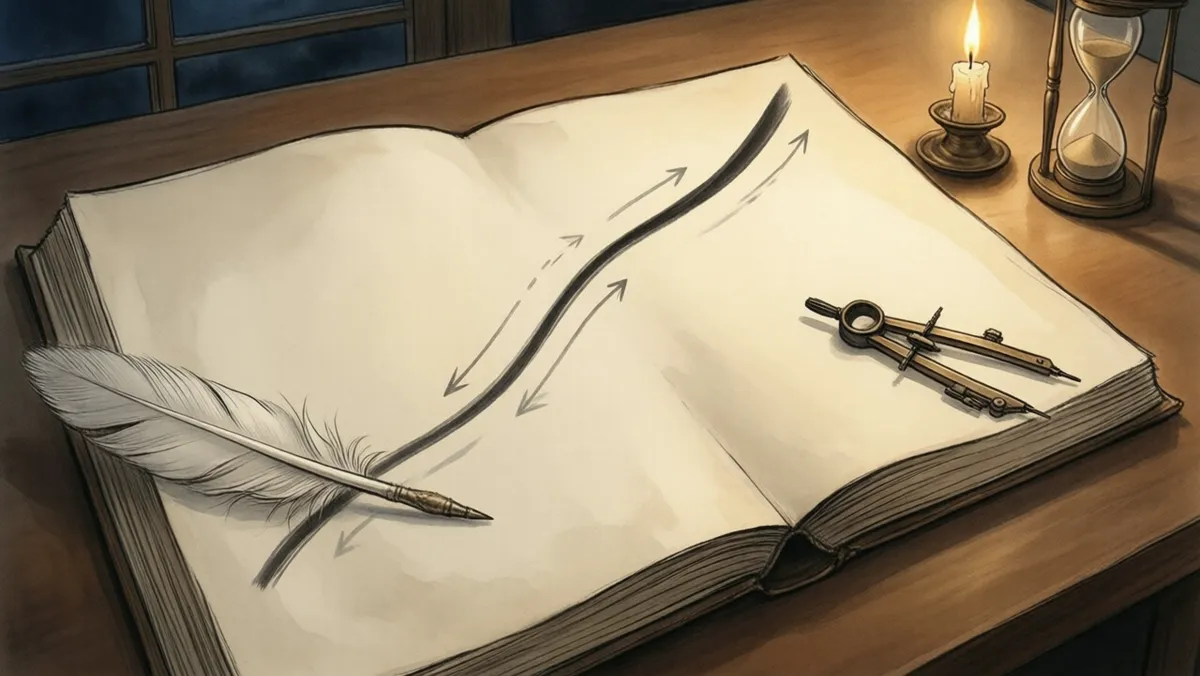
And he helped invent calculus, a new kind of math that describes change and motion.
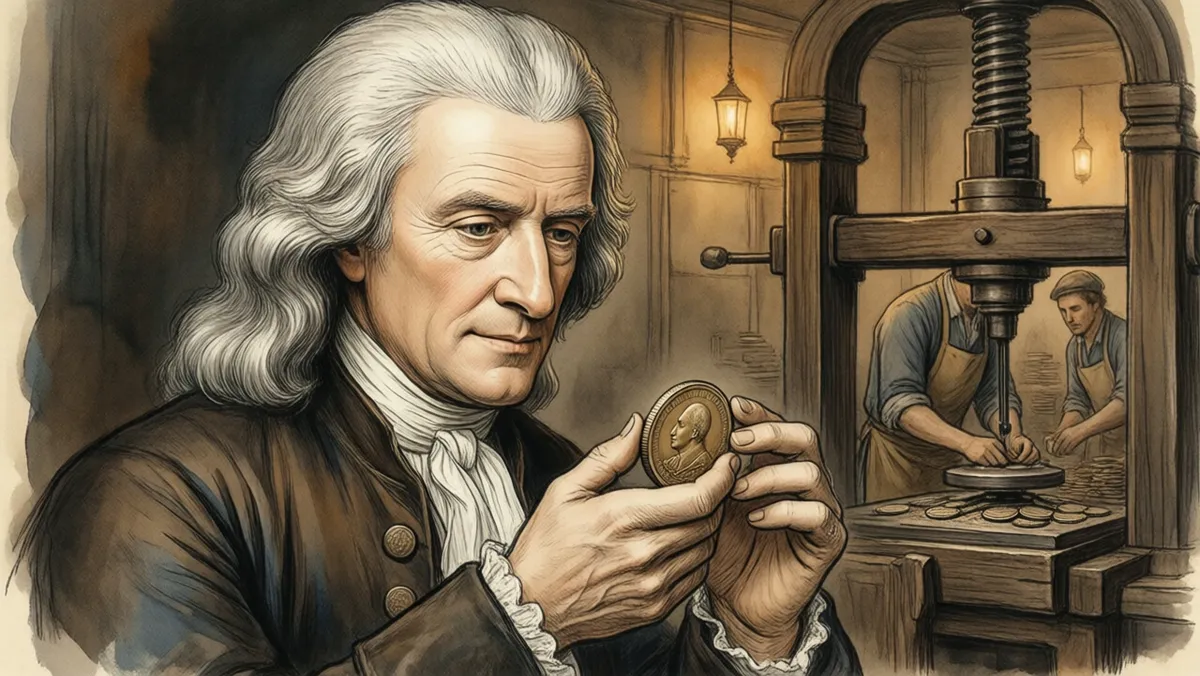
In his later years, Newton left science for a government job.
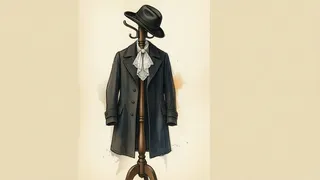
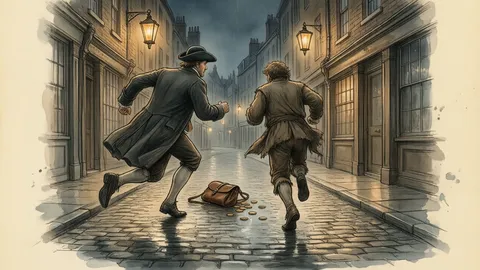
He became the head of the Royal Mint, where England's coins were made, and he chased people who made false money.
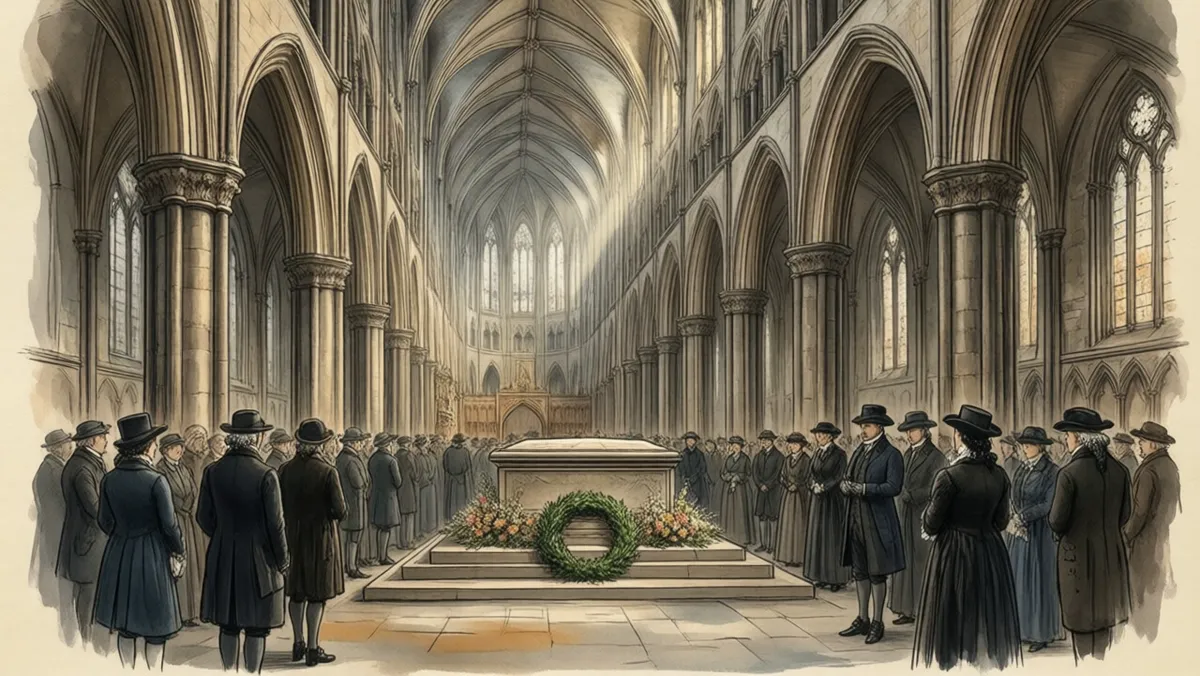
He died in 1727, honored as a national hero.
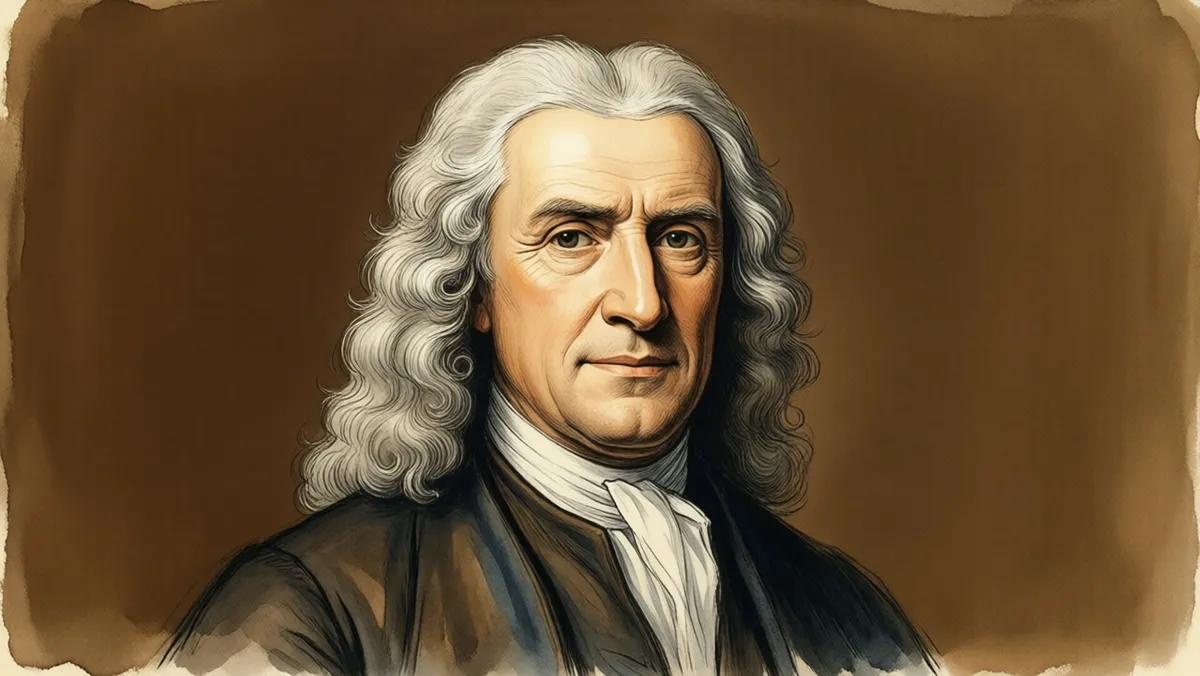
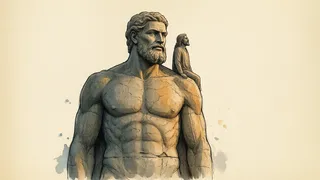
Newton once wrote that if he had seen further than others, it was 'by standing on the shoulders of giants.'