Level: B1

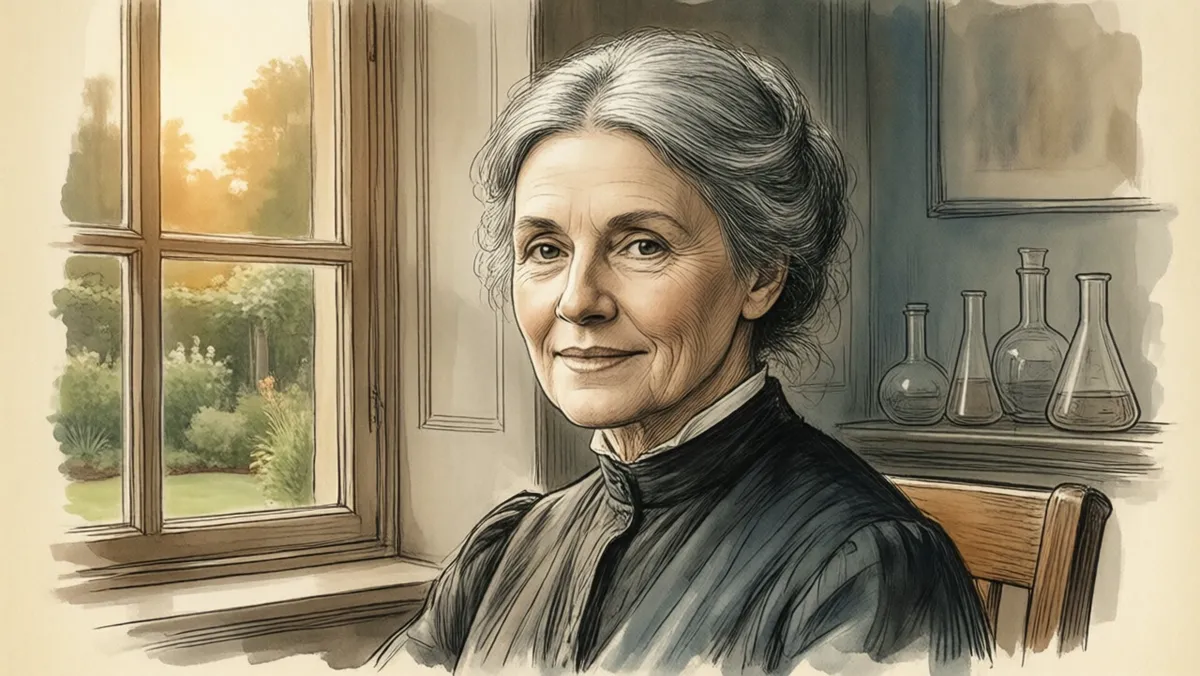
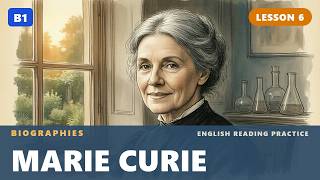
Marie Curie (1867–1934)

The scientist who discovered radium — and the first person to win two Nobel Prizes.

CEFR B1 · 305 words · ~2 min read · US English

🔊 Listen to this passage

8:13 🎬 Watch: Marie Curie — her life in simple English Marie Curie — Her Life in Simple English (B1) · Biography 6 Read the lesson below first. When you understand every line, open the YouTube link above and play this video in your earbuds — while you walk, cook or ride the bus, with nothing to look up and nothing to pause. English you already understand, heard again and again, is what turns reading into listening.
📖 Open in interactive ESL Reader →

In the reader, tap any word or sentence to hear it in English, translate it, or look up a definition.

Words to know

scientist
a person whose job is to study nature and learn how things work
radioactivity
the energy that some special materials send out by themselves
polonium
a new metal the Curies found, named after Poland
honor
a public show of respect for a person or place
radium
a rare metal that sends out strong energy
heartbroken
very sad because someone you love has died or left
bullets
small pieces of metal shot from a gun
radiation
the energy sent out by metals like radium, which can hurt the body

Picture words from this story

Tap 🔊 to hear a word, or + to save just that one to My Flashcards.

  • scientist

    scientist

    A person whose job is to study nature and learn how things work.

  • radioactivity

    radioactivity

    The energy that some special materials send out by themselves.

  • radium

    radium

    A rare metal that sends out strong energy.

  • heartbroken

    heartbroken

    Very sad because someone you love has died or left.

  • bullets

    bullets

    Small pieces of metal shot from a gun.

Every sentence has a ▶ button — tap it to hear that sentence read slowly, one word at a time.
1867 · Warsaw
1867 · Warsaw

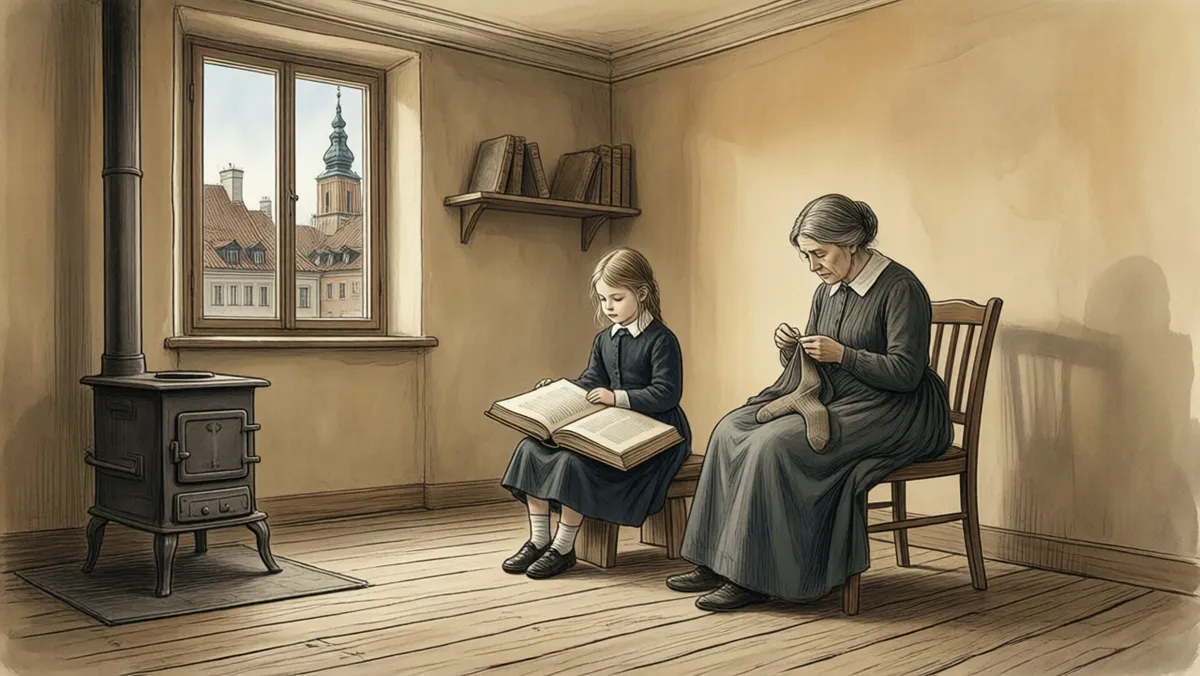
Marie Curie was born in Warsaw, Poland, in 1867.
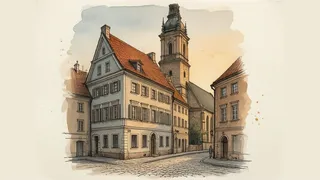
Warsaw

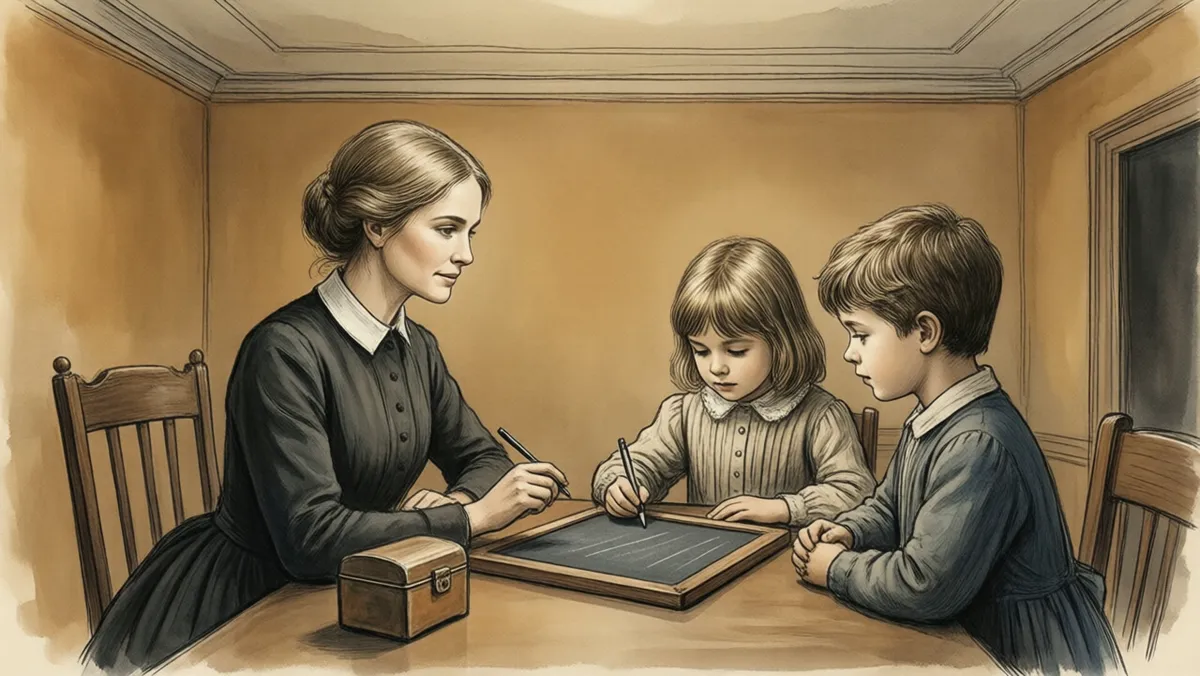
Her family loved learning, but they had little money,
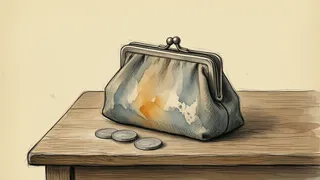
little money
Saving every coin
Saving every coin

and at that time women could not study at a university in Poland.
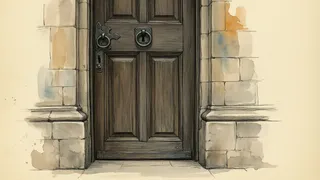
a locked door

So Marie worked for years as a teacher and saved every coin.
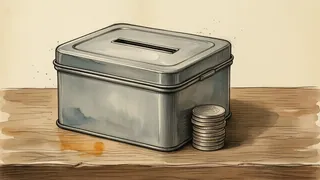
saving every coin
1891 · Paris
1891 · Paris

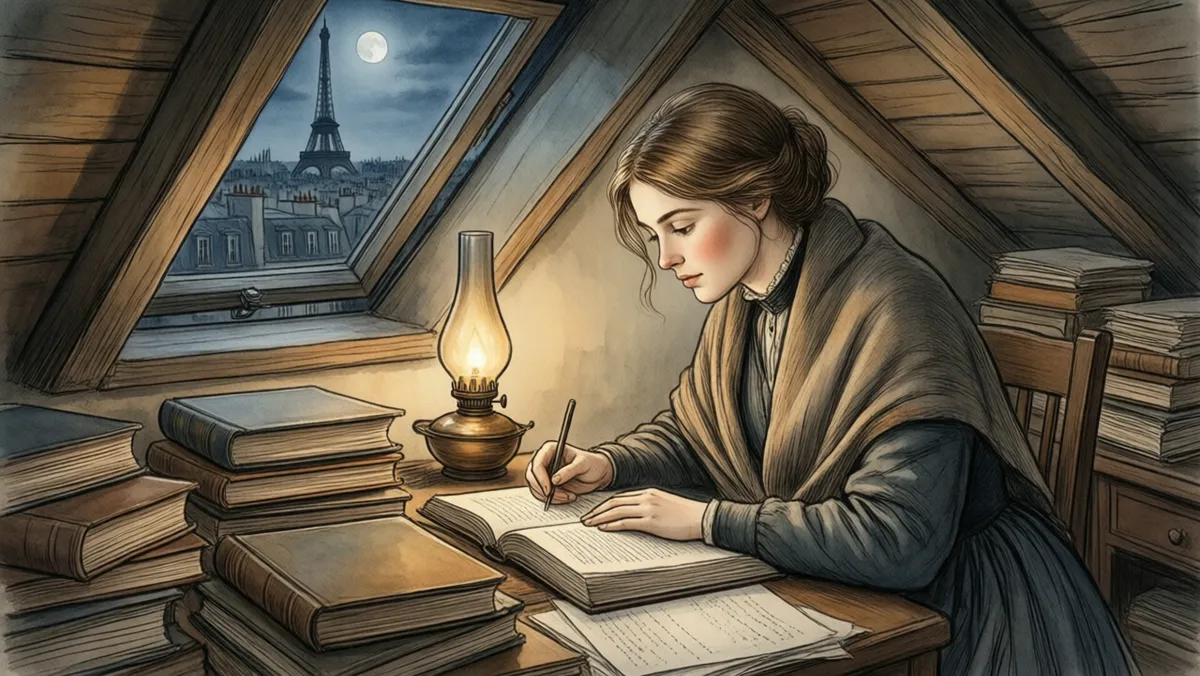
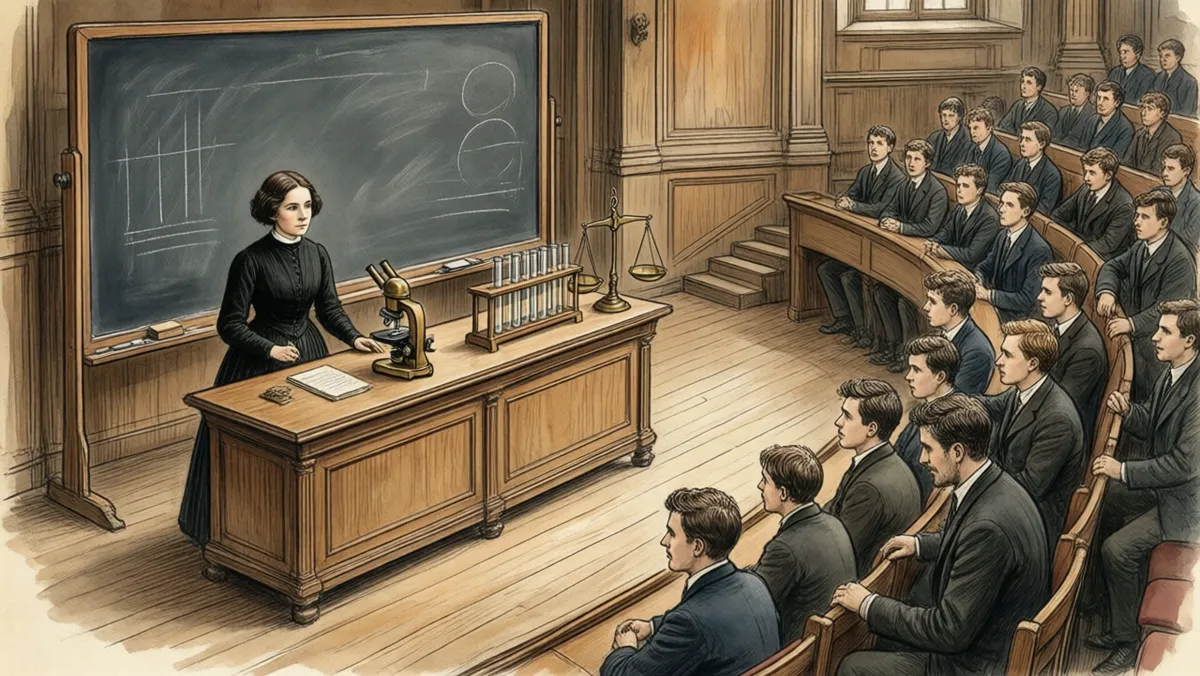
In 1891 she moved to Paris to study science and math.
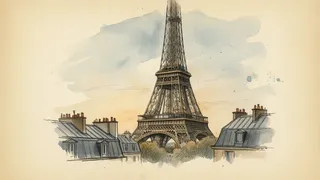
to Paris

Life there was hard.

hard years

She lived in a small, cold room and sometimes forgot to eat.
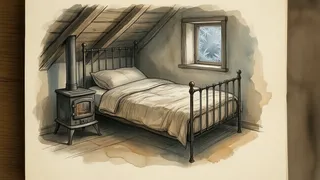
a cold room

Still, she loved her studies and finished near the top of her class.
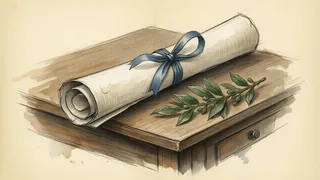
top of her class
Pierre
Pierre

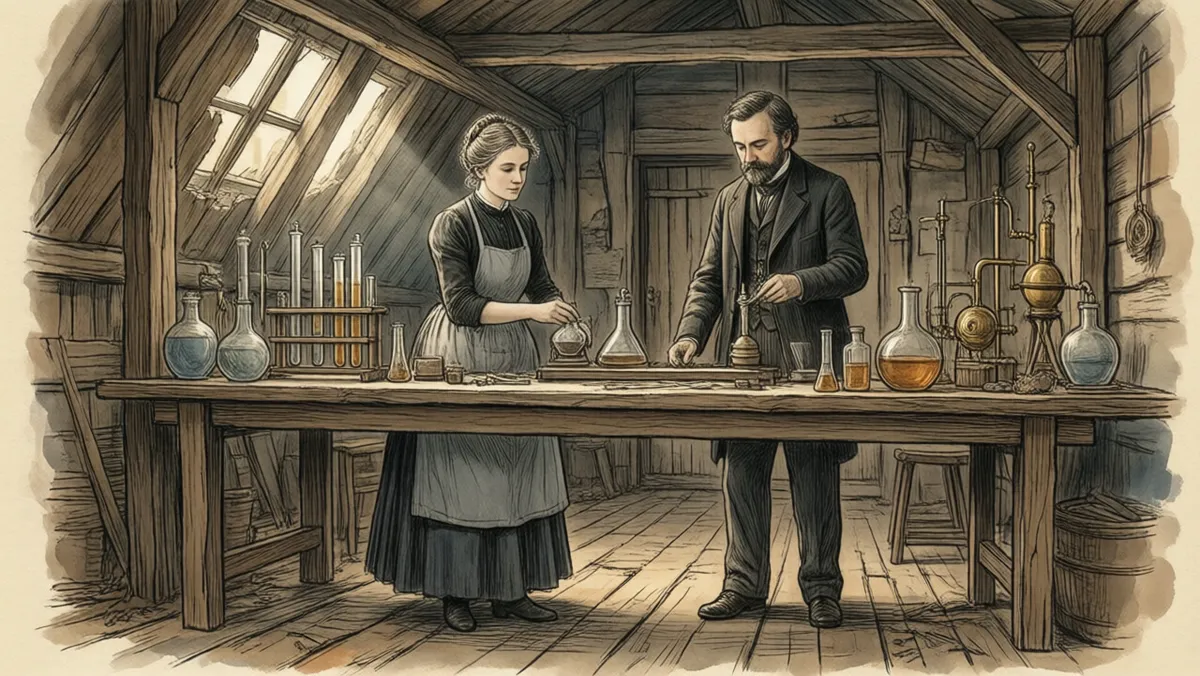
In Paris she met Pierre Curie, a quiet French scientist.
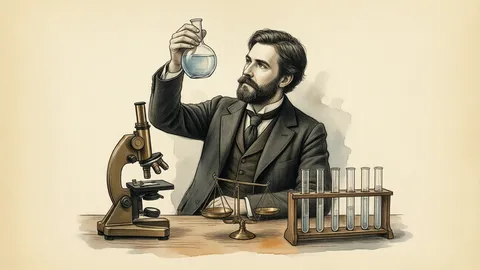
scientist

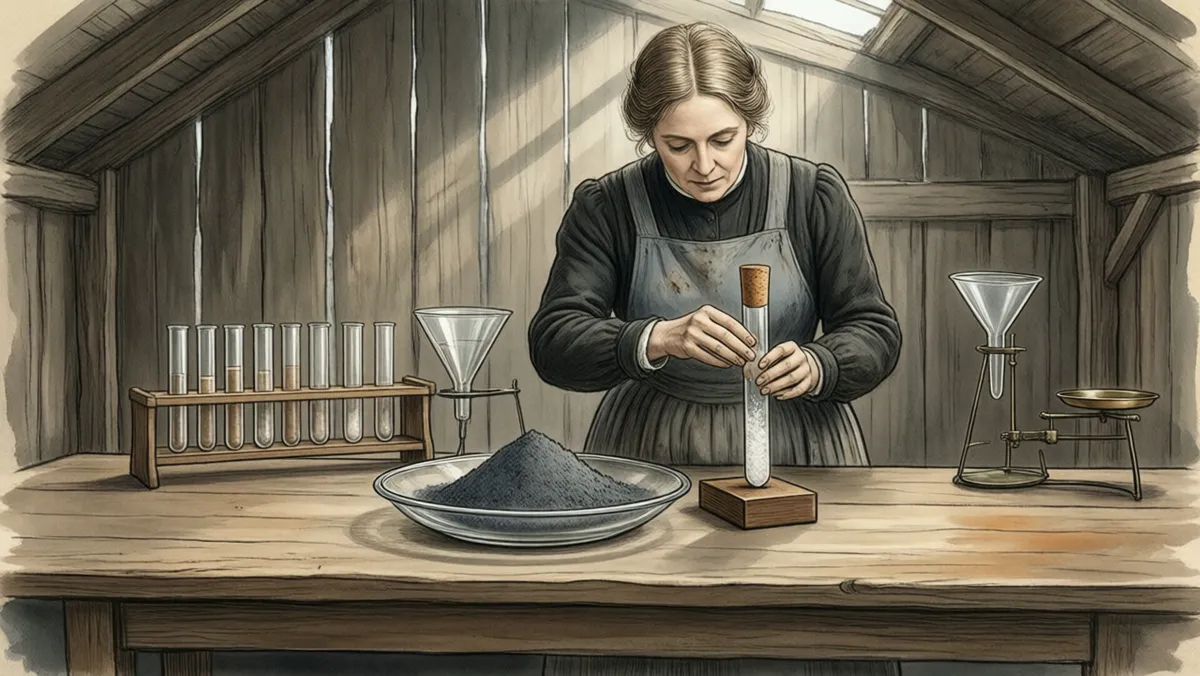
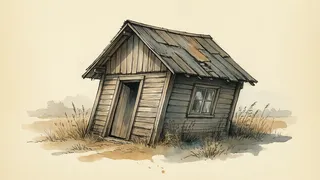
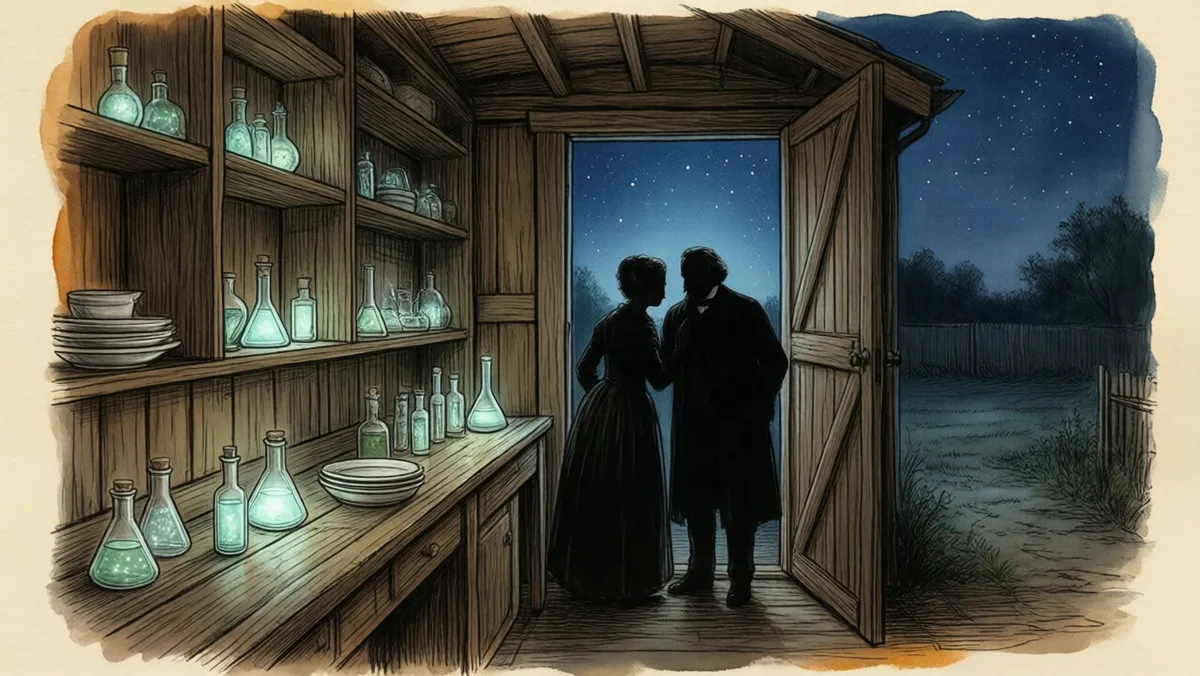
They married in 1895 and began working together in an old building that was more like a shed than a lab.
an old shed
Radioactivity
Radioactivity

Marie studied the strange, invisible rays that come out of some materials.
invisible rays

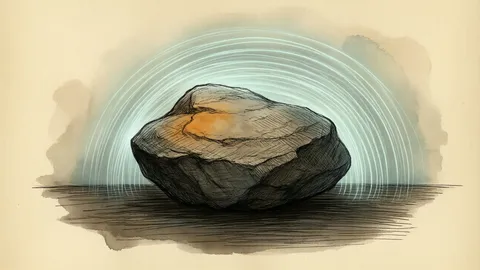
She gave this power a name: radioactivity.
radioactivity
Polonium and radium
Polonium and radium

After years of slow, careful work, she and Pierre found two new elements.
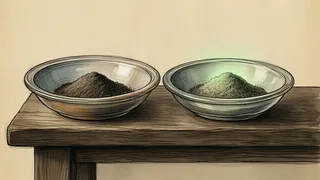
two new elements

They called the first one polonium, in honor of Poland, and the second one radium.
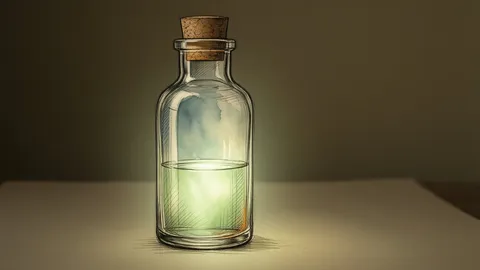
radium
1903 · The Nobel Prize

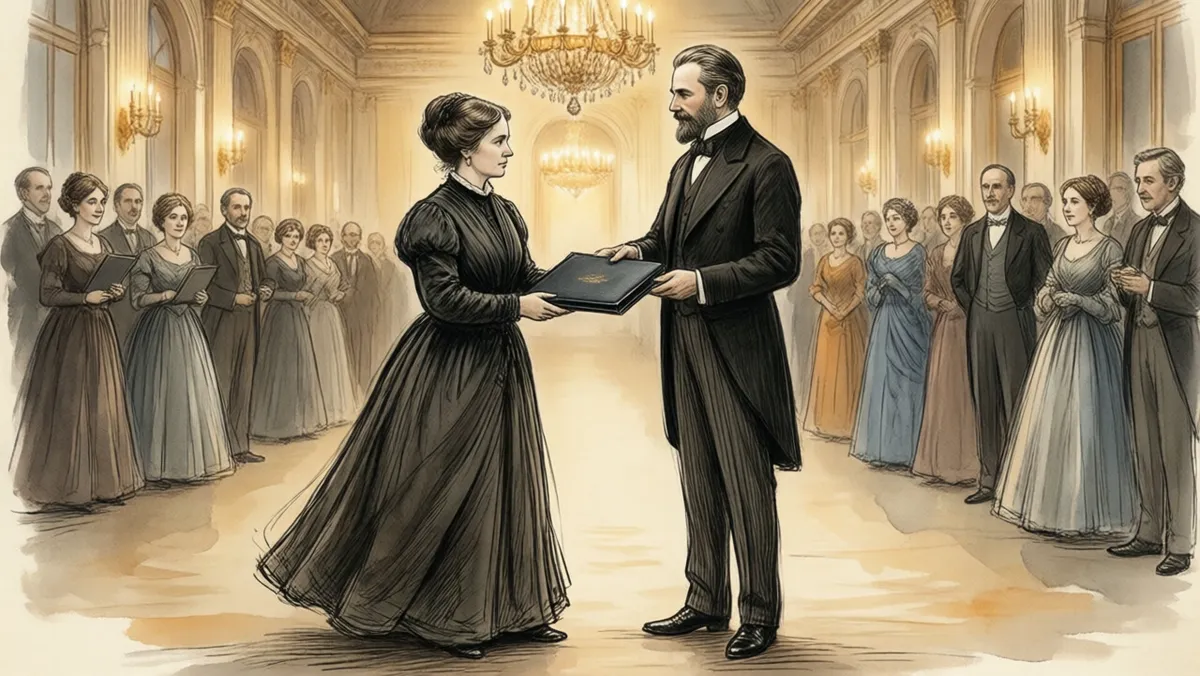
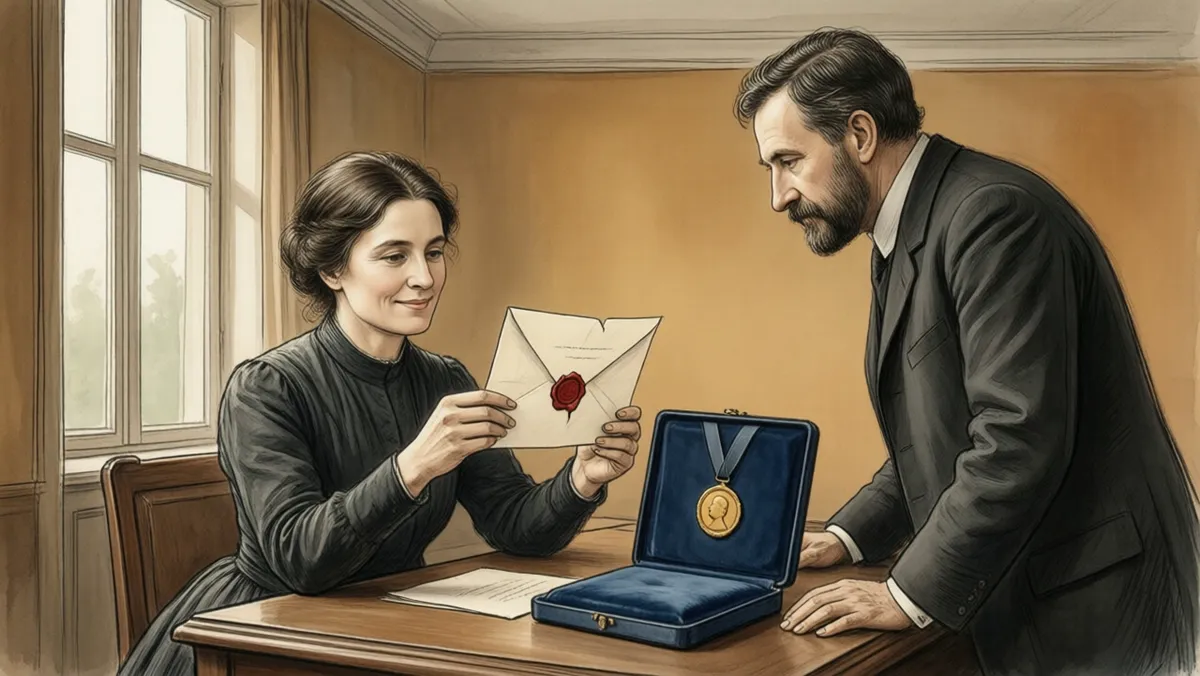
In 1903 Marie shared the Nobel Prize in Physics with Pierre and Henri Becquerel.

1903

She was the first woman ever to win a Nobel Prize.

the first woman
Carrying on
Carrying on

Three years later, Pierre died in a street accident.

a street accident

Marie was heartbroken, but she carried on their work and raised their two daughters alone.

heartbroken
1911 · A second Nobel

In 1911 she won a second Nobel Prize, this time in Chemistry.

Chemistry

No person had ever won two before.

two Nobel Prizes
The X-ray cars
The X-ray cars

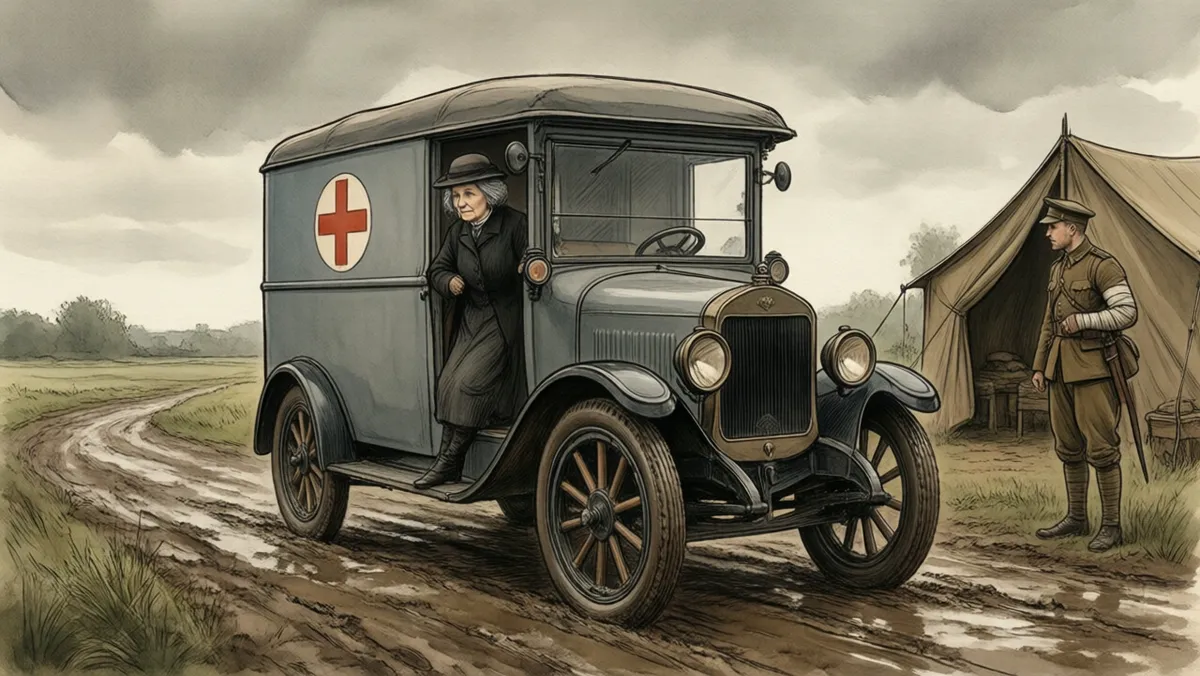
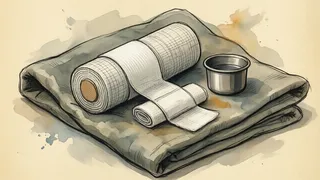
During World War I, Marie built small X-ray cars and drove them close to the fighting.

the X-ray cars

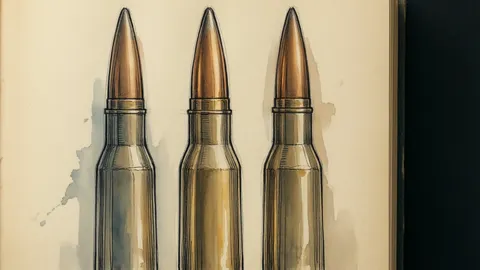
Doctors used the machines to find bullets and broken bones,

bullets

and thousands of hurt soldiers got better care because of her.

care for soldiers
1934
1934

Marie Curie died in 1934 from an illness caused by years of work with radiation.

1934
One of the greatest
One of the greatest

People remember her as one of the greatest scientists in history

the greatest

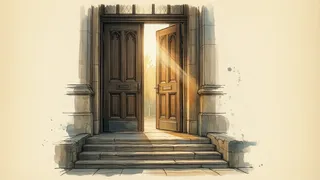
— and as proof that courage and hard work can open any door.

an open door

Check your understanding

  1. Why did Marie move to Paris in 1891?

    Show answer

    To study science and math — In 1891 she moved to Paris to study science and math.

  2. What did Marie and Pierre call the first new element they found?

    Show answer

    Polonium — They called the first one polonium, in honor of Poland, and the second one radium.
  3. What did Marie do during World War I?

    Show answer

    She built small X-ray cars and drove them near the fighting — During World War I, Marie built small X-ray cars and drove them close to the fighting.

  4. Marie Curie was the first woman to win a Nobel Prize

    Show answer

    True — In 1903 she shared the Nobel Prize in Physics; she was the first woman ever to win a Nobel Prize.
  5. Pierre Curie died from an illness caused by radiation

    Show answer

    False — Pierre died in a street accident; Marie died from an illness caused by years of work with radiation.
← More Mini Biographies · All reading practice