
Every sentence has a ▶ button — tap it to hear that sentence read slowly, one word at a time.
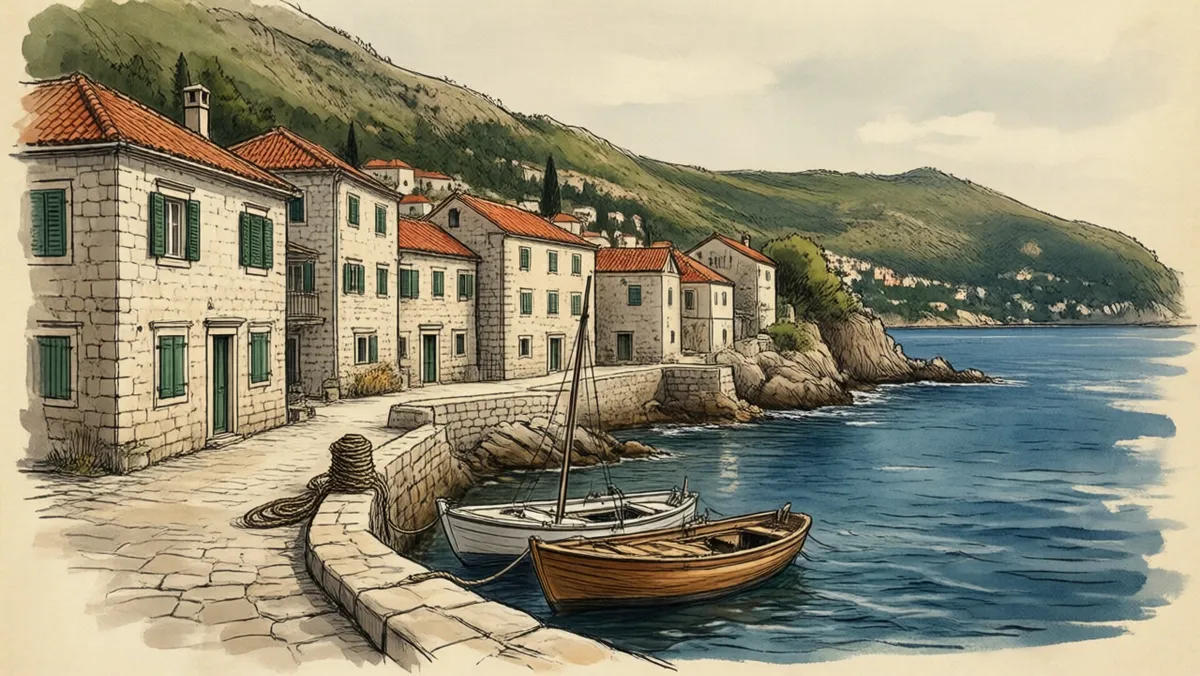
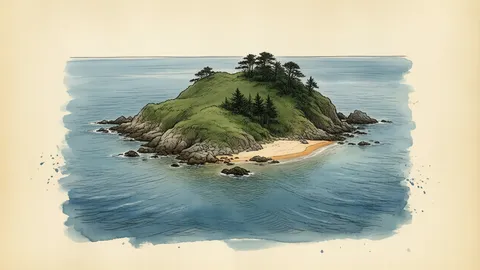
Napoleon Bonaparte was born on August 15, 1769, on the island of Corsica.
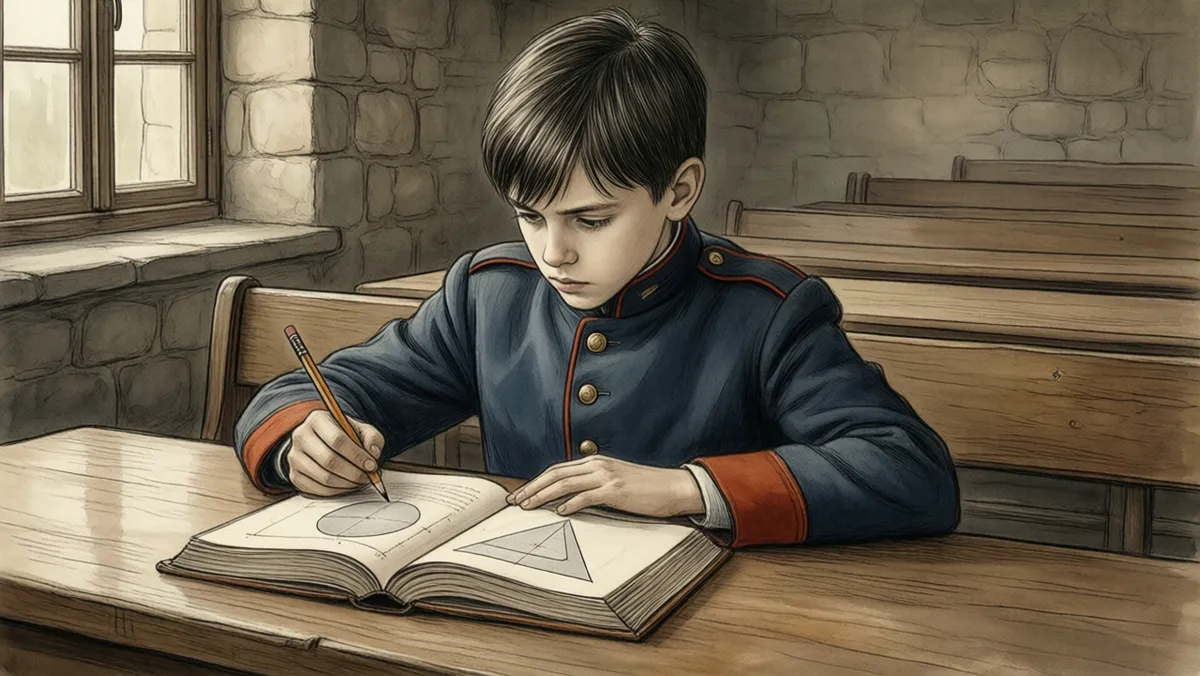
His family was not rich, and when he was nine, he was sent to a military school in France.
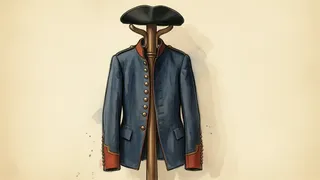
The other boys laughed at his Corsican accent, but he loved reading and was excellent at math.
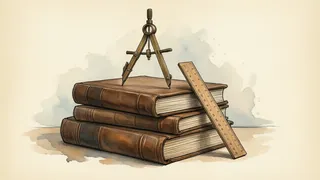
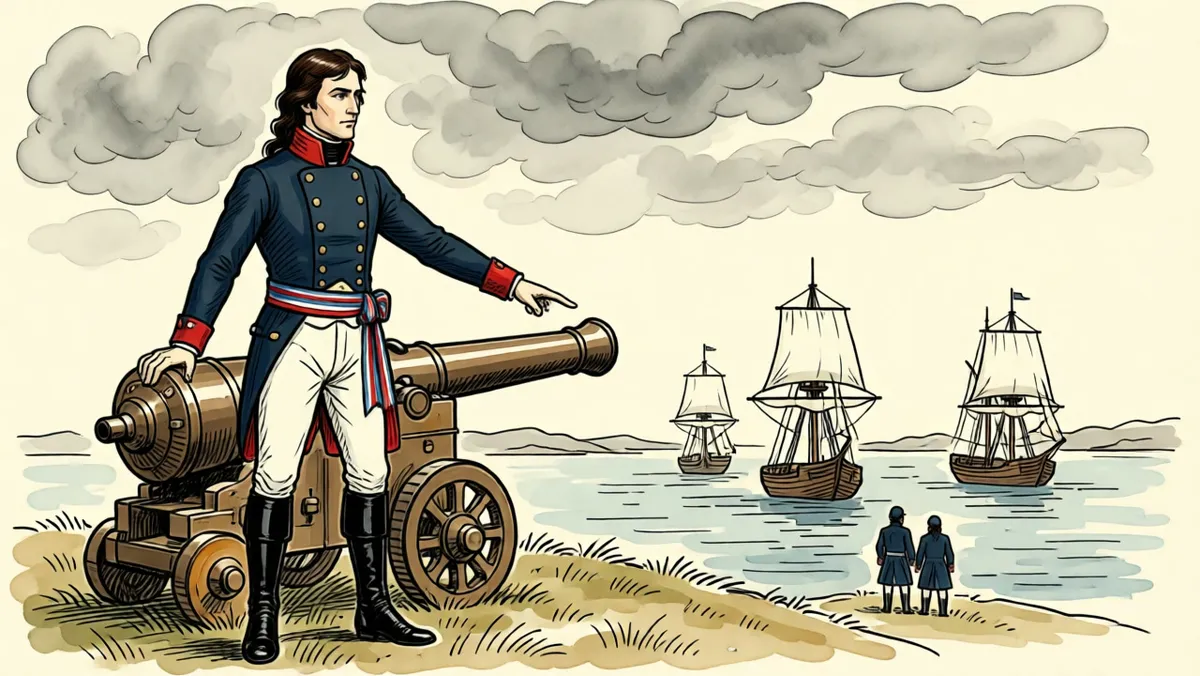
At sixteen he became an artillery officer, in charge of big guns.
Then came the French Revolution, and a clever young officer could move up fast.
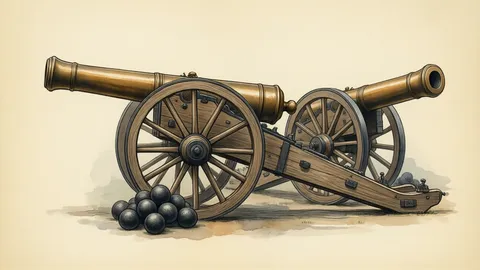
In 1793 his cannons helped the French win back the port of Toulon.
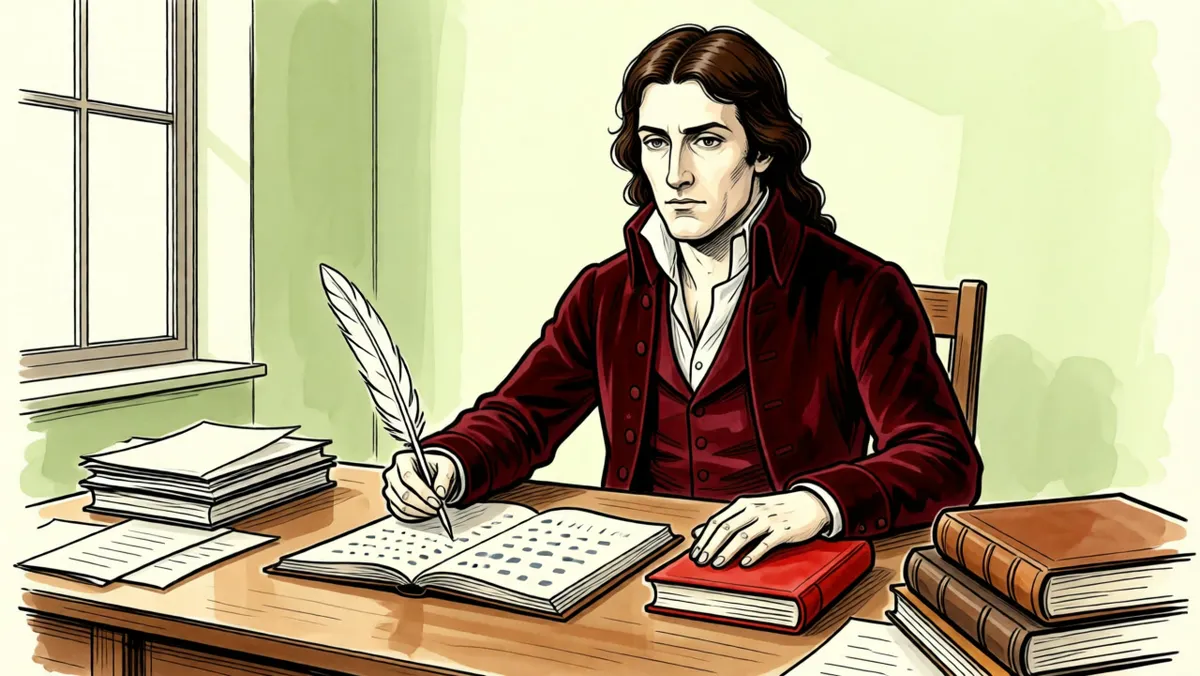
He became a general at twenty-four, and in 1799 he took power in France.
He gave France new laws, the Napoleonic Code, and its ideas are still used in many countries.
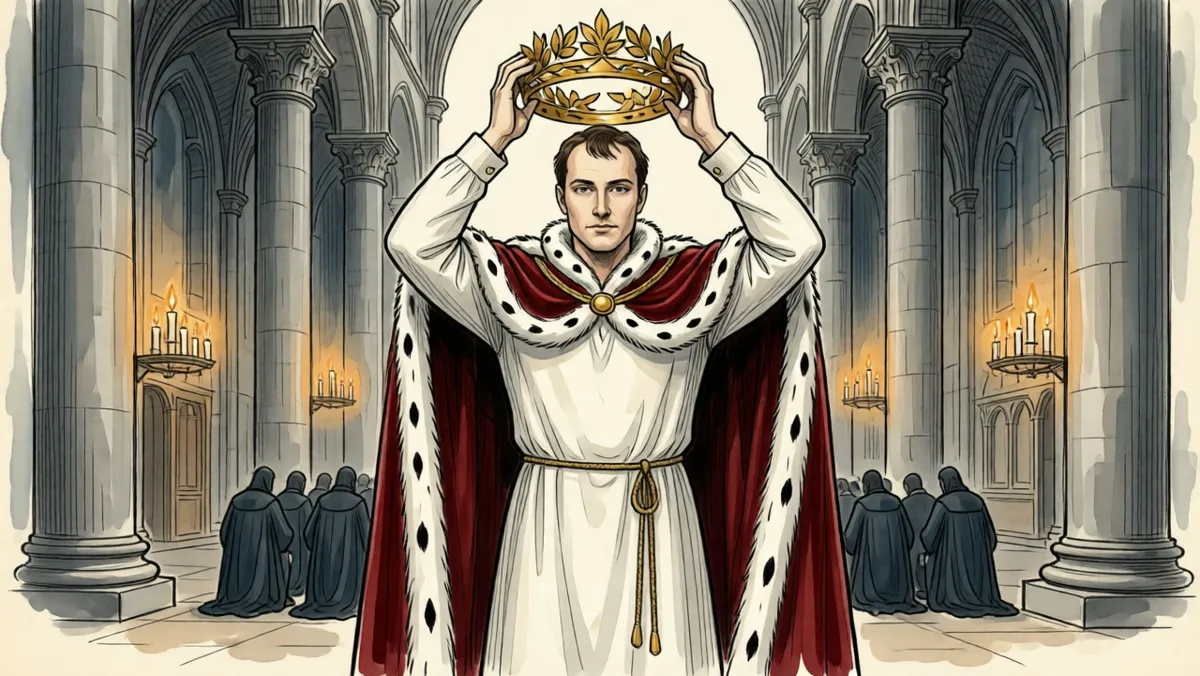
In 1804 Napoleon became emperor.
The pope came to his coronation, but Napoleon took the crown and placed it on his own head.
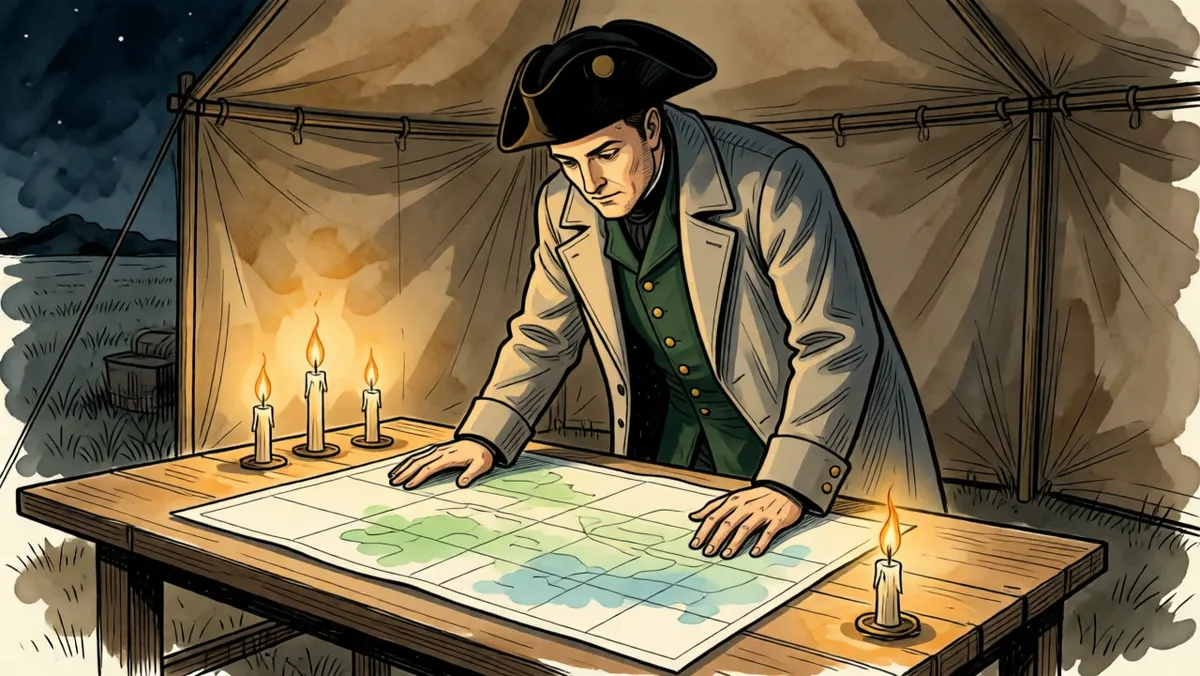
For years, his armies won battle after battle, and he controlled much of Europe.
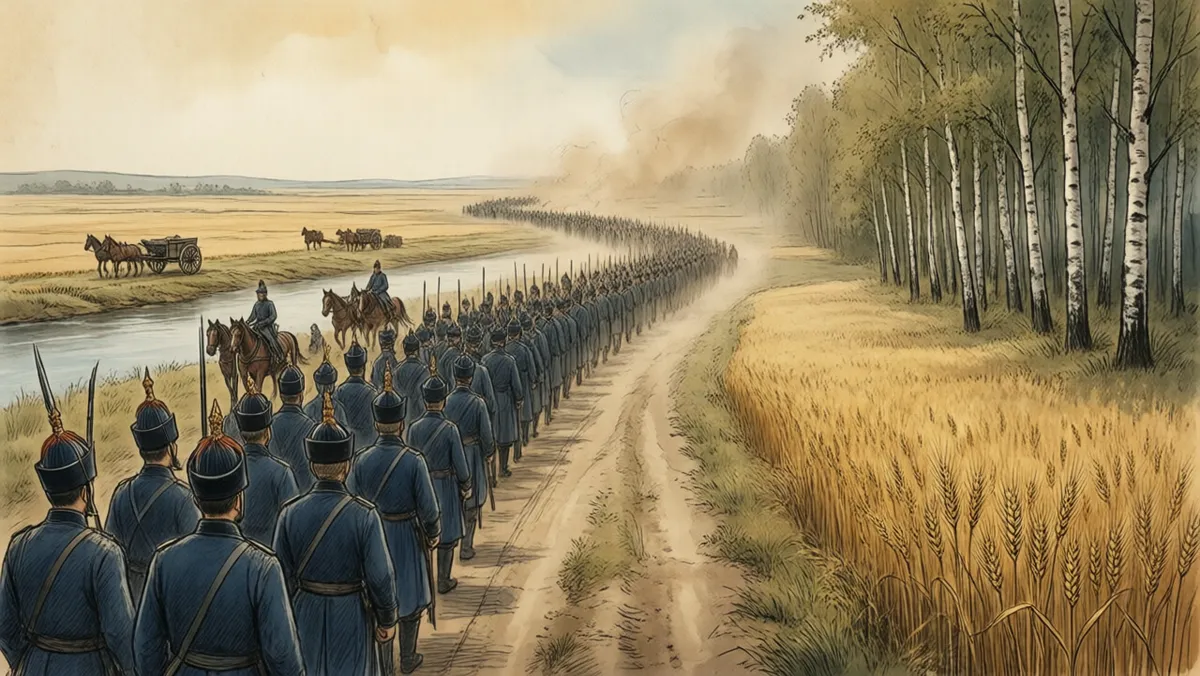
In 1812 he marched into Russia with more than half a million men.
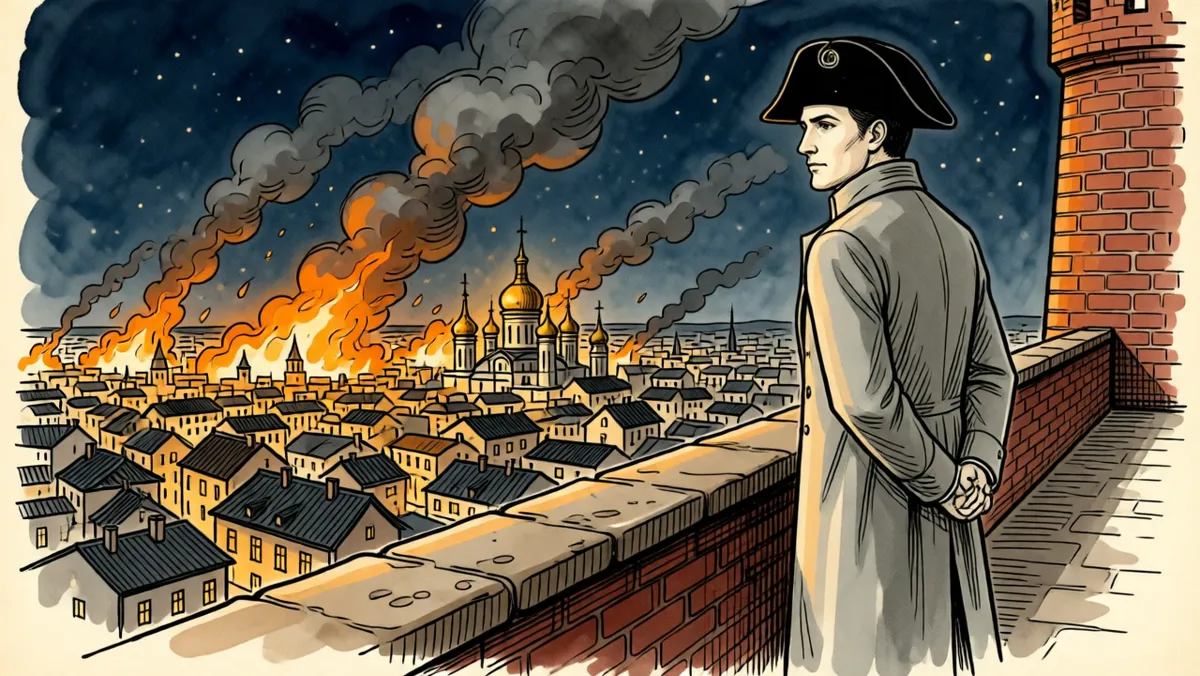
He reached Moscow, but the city was almost empty and soon on fire.
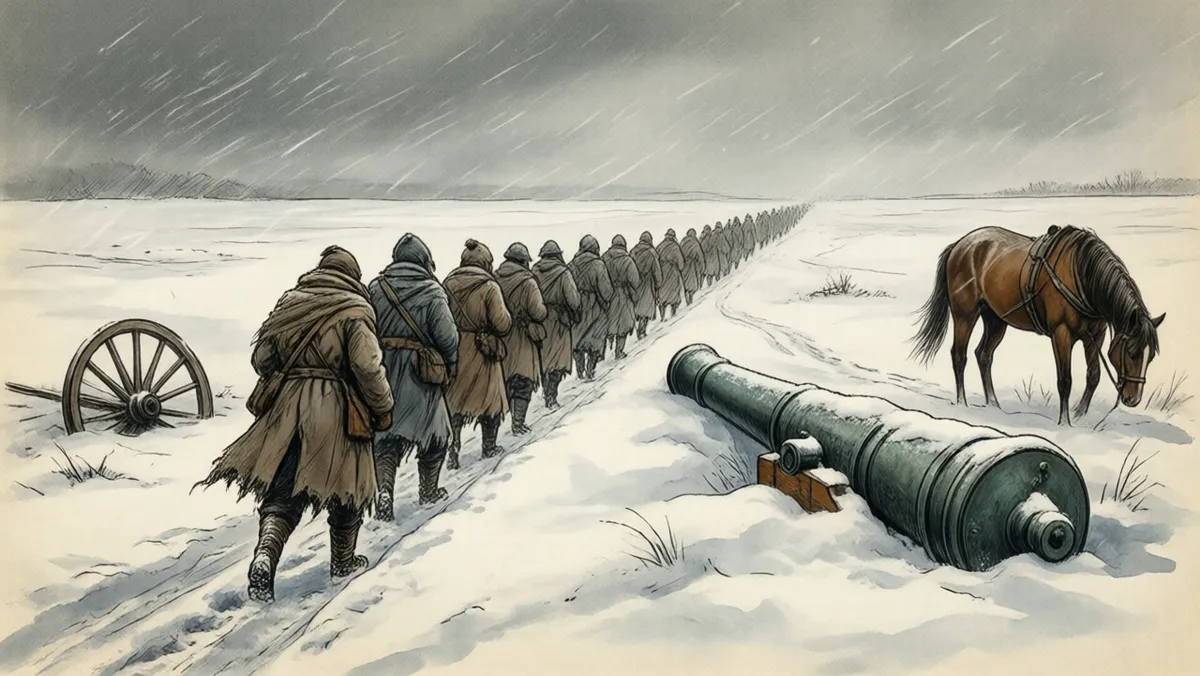
He had to march home through the snow, and in the end most of his soldiers never came back.
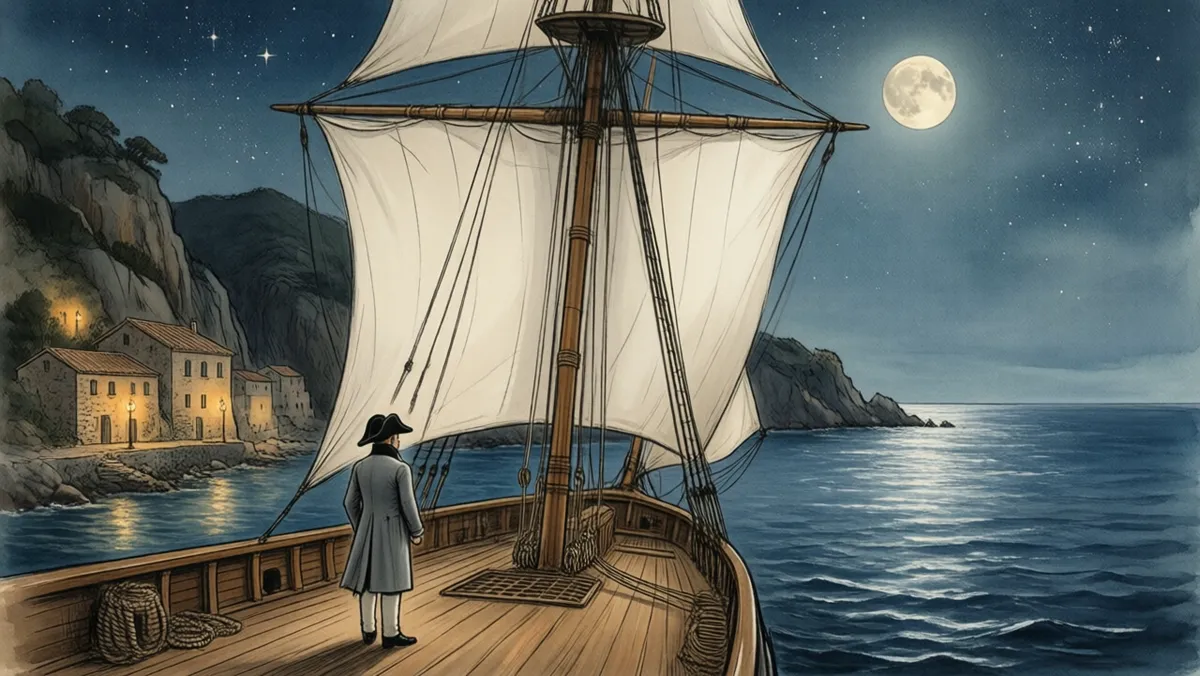
In 1814 his enemies took Paris and sent him to the small island of Elba, near Italy.
But ten months later he escaped and landed in France.
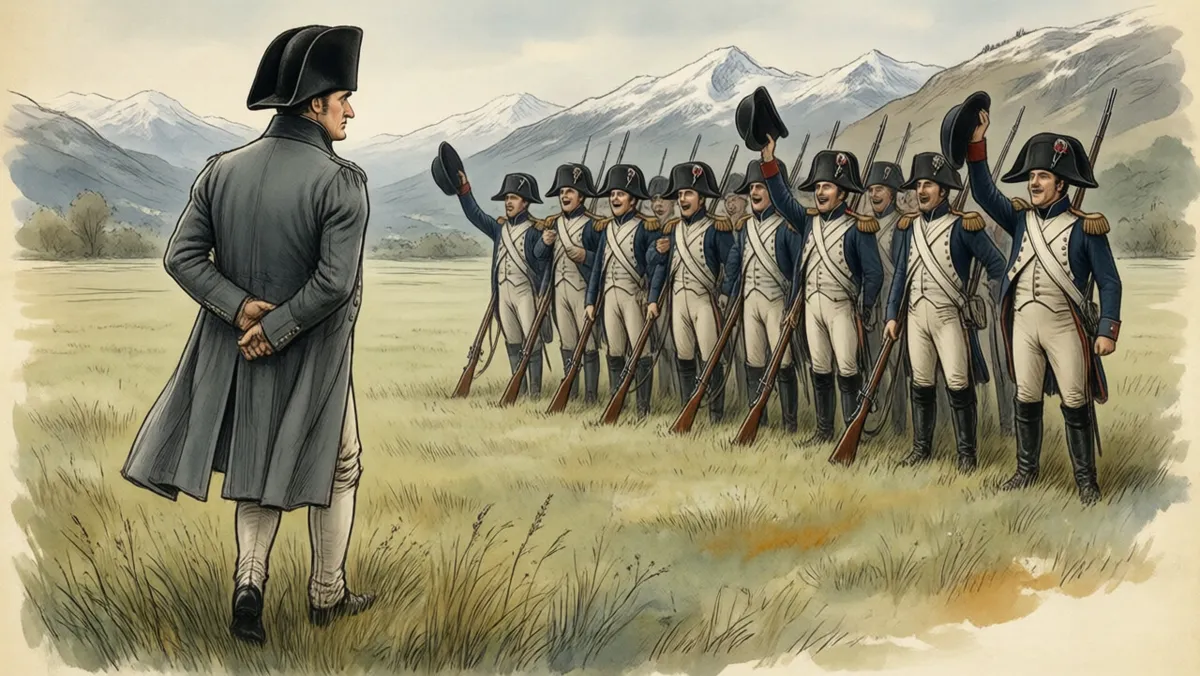
Soldiers were sent to stop him — and instead they joined him.
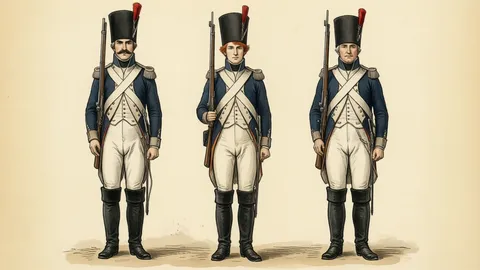
For about a hundred days he was emperor again.
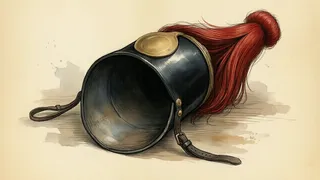
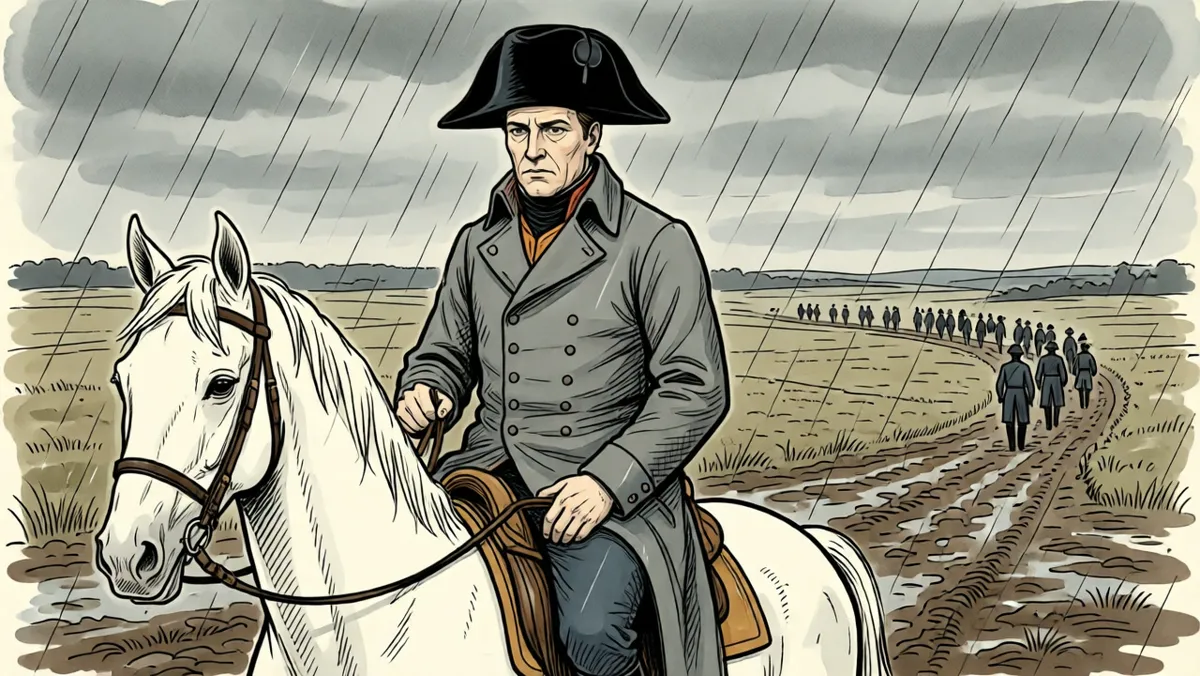
In June 1815 he lost his last battle, at Waterloo, against the British and their allies.
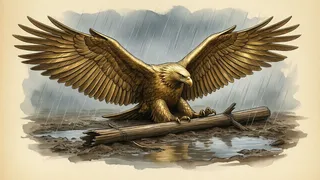
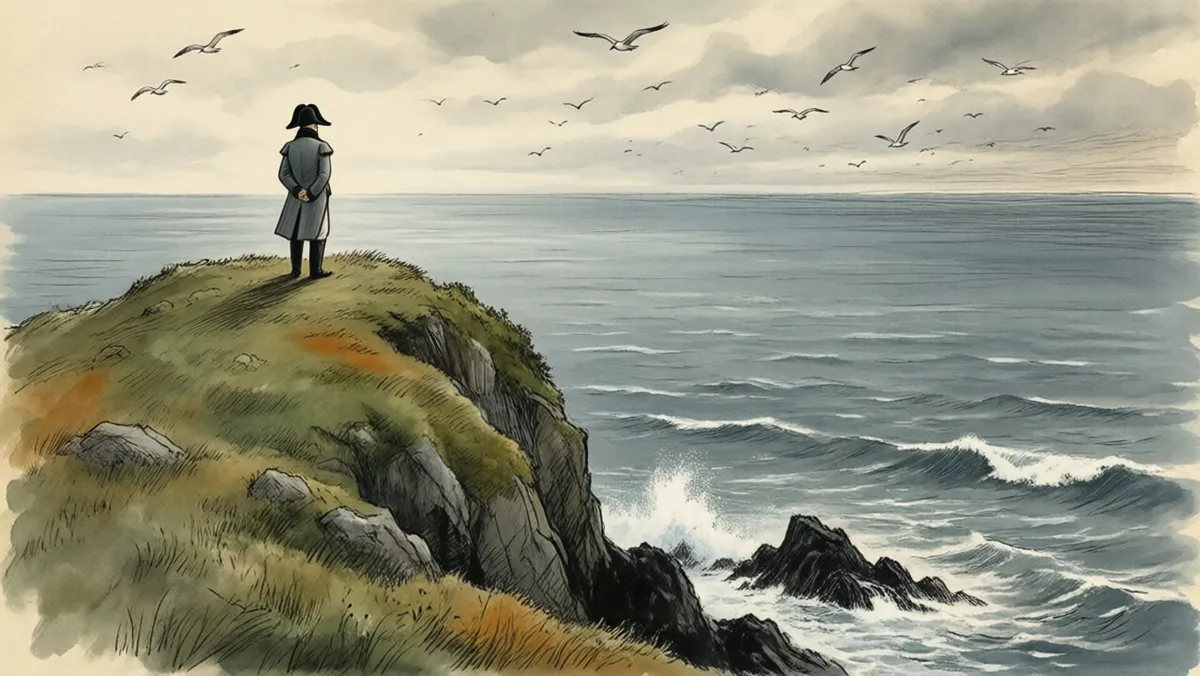
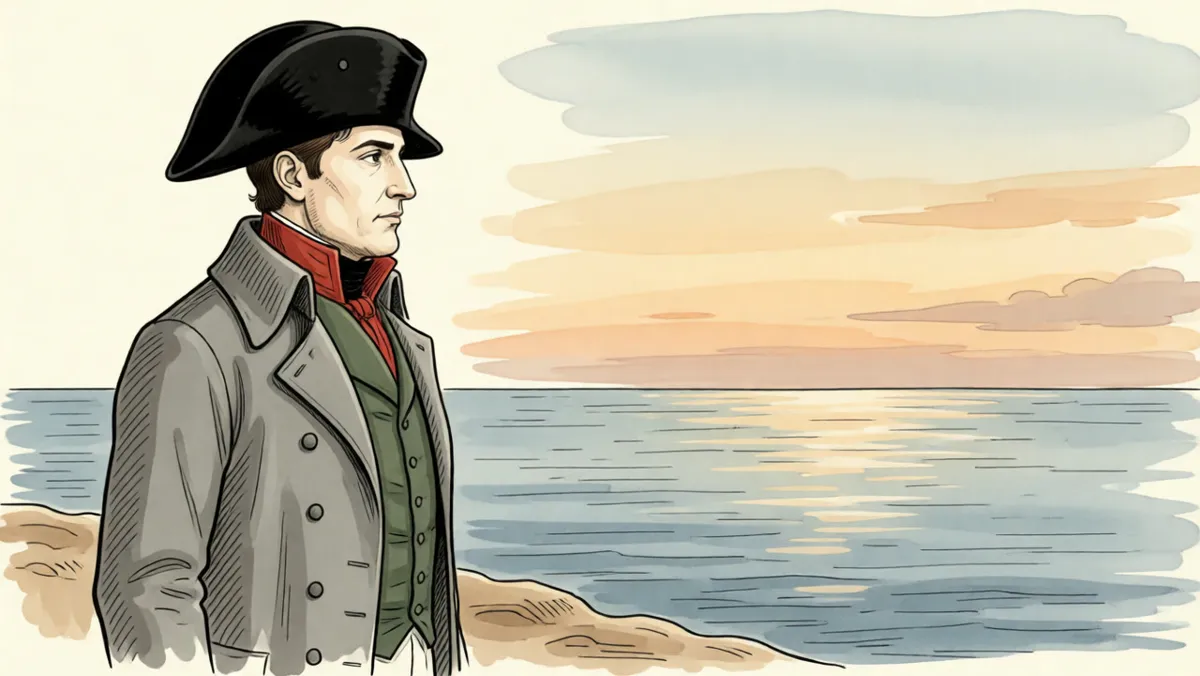
This time a British ship took him to the lonely island of Saint Helena, far out in the Atlantic Ocean.
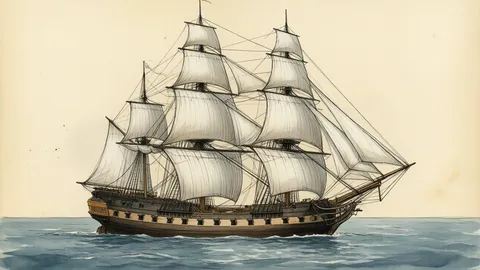
He died there in 1821. He was fifty-one.
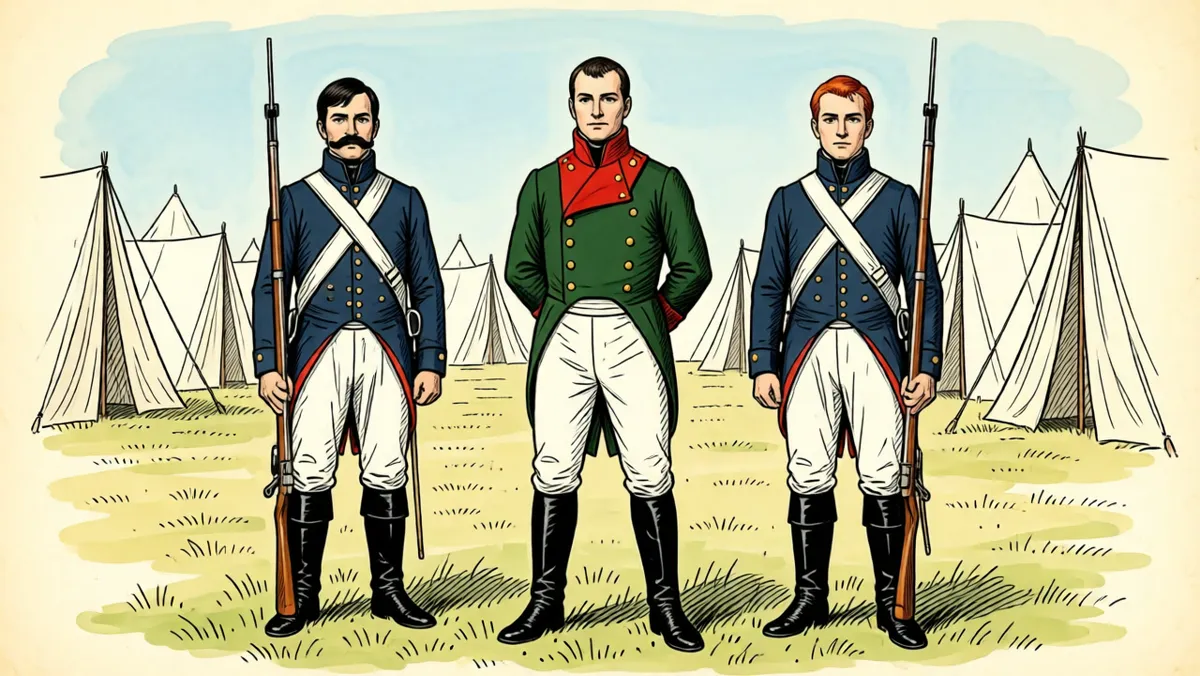
Many people think Napoleon was very short.
In fact, he was about average height for his time.
British cartoonists loved to show him as a tiny, angry man, and the joke never died.
His secretary on Saint Helena wrote that Napoleon once said, 'What a novel my life has been!'