
Every sentence has a ▶ button — tap it to hear that sentence read slowly, one word at a time.
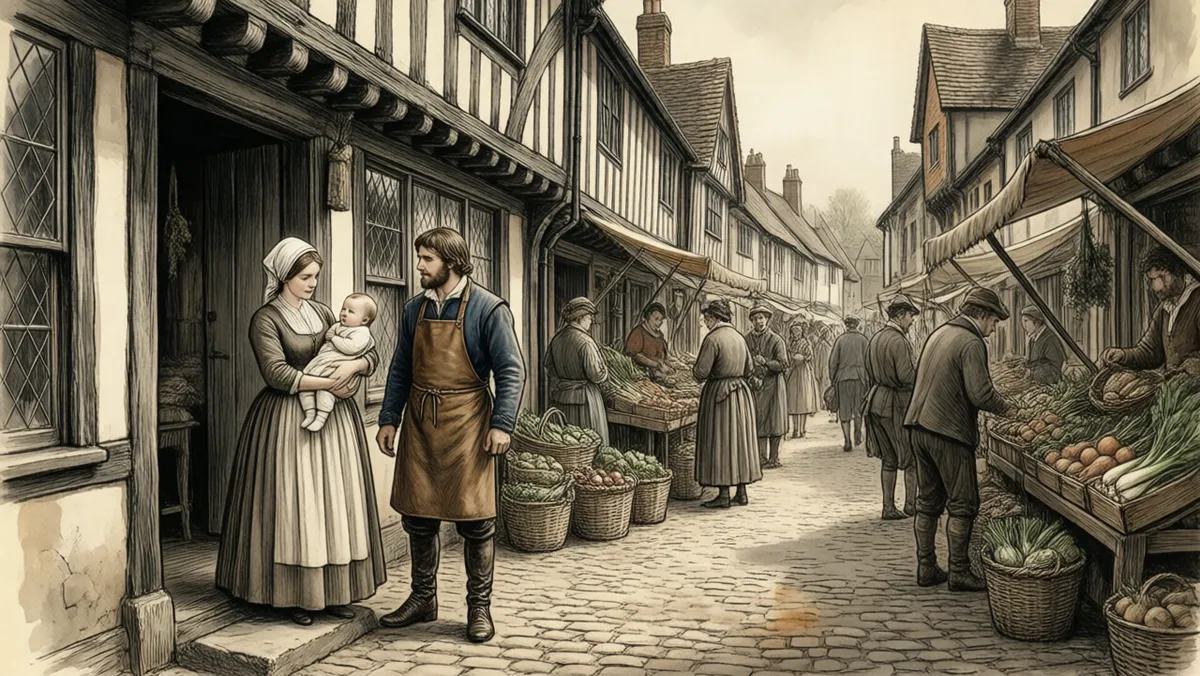
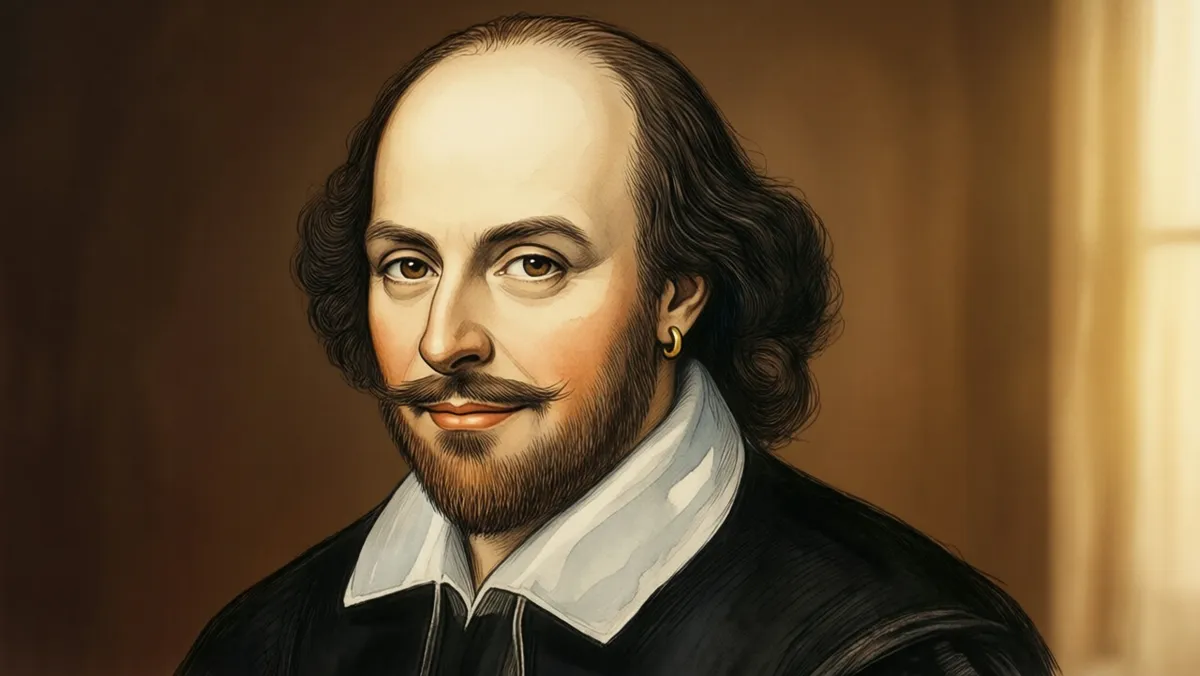
William Shakespeare was born in 1564 in Stratford-upon-Avon, a market town in the middle of England.
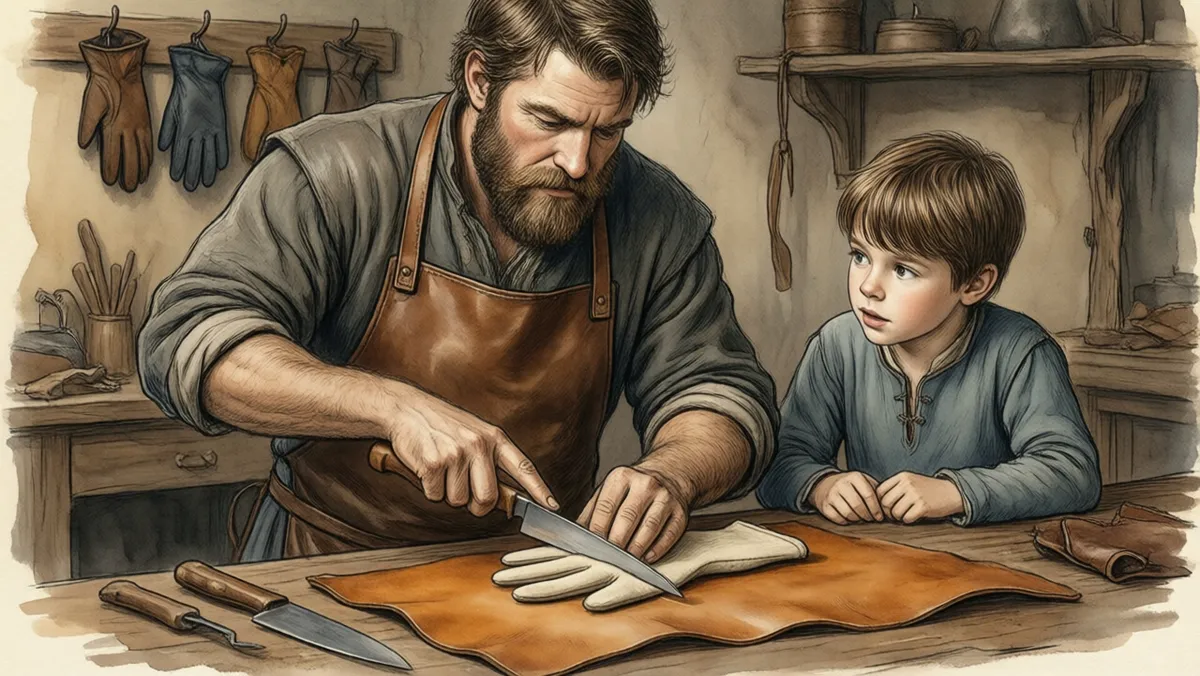
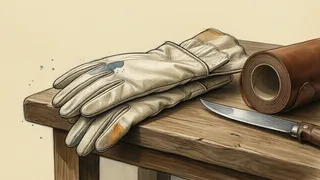
His father made gloves and sold leather,
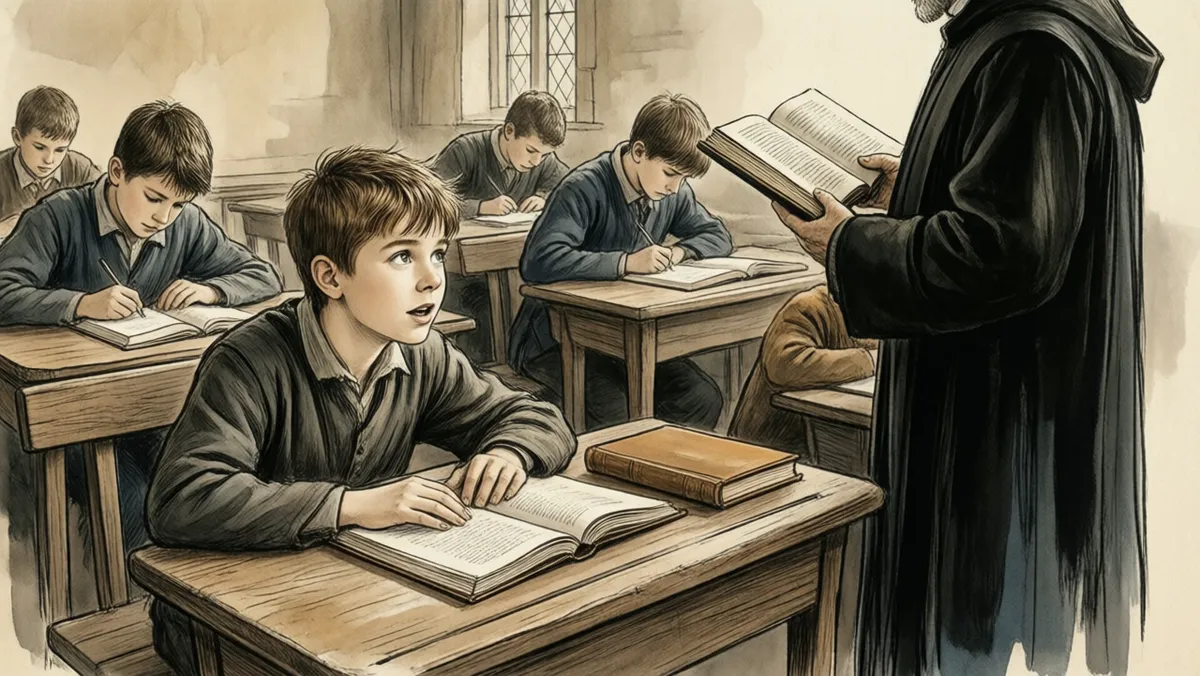
and William probably studied Latin and old stories at the town's grammar school.

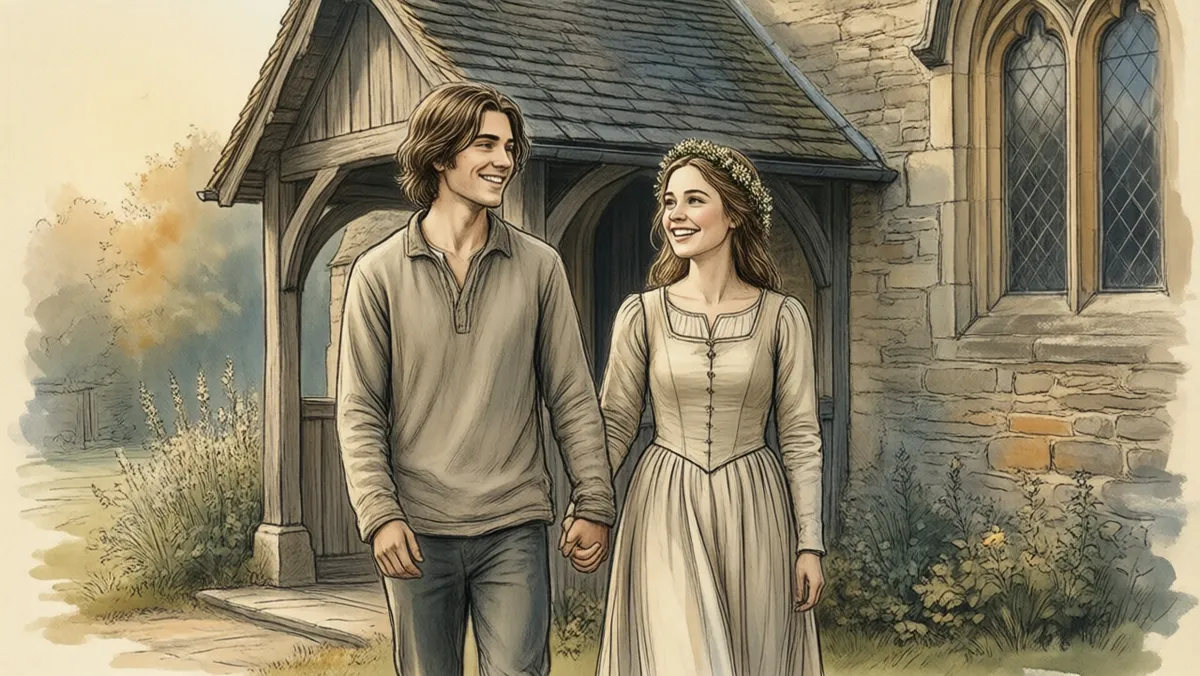
At eighteen he married Anne Hathaway, and they had three children.
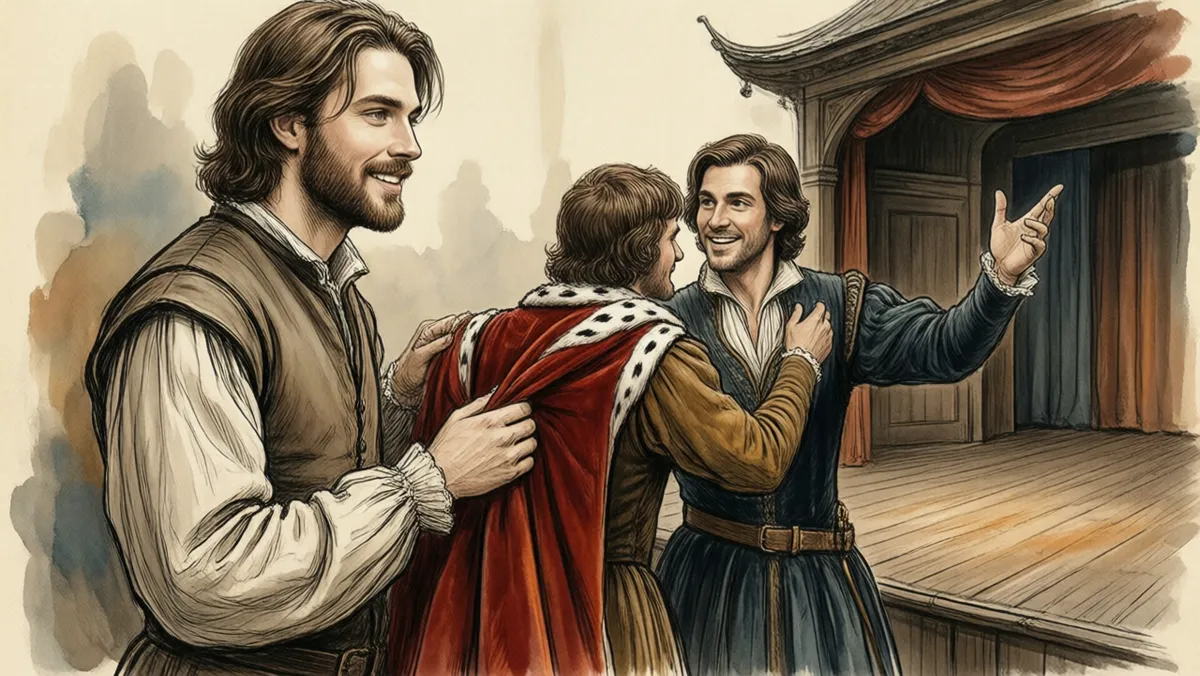
Then, sometime in his twenties, Shakespeare left for London and joined the world of the theater.
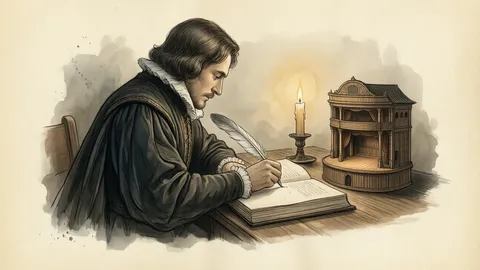
He started as an actor, but soon he was writing plays himself — and no one in the city could write like him.

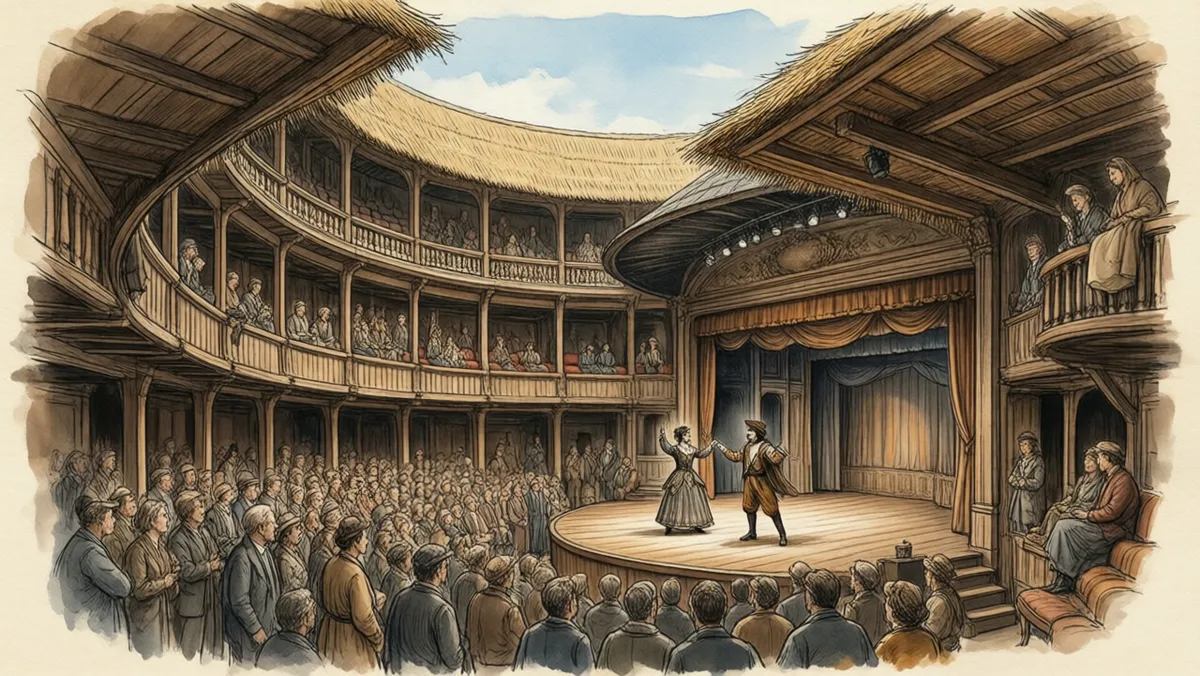
His company built its own theater by the river and named it the Globe.
Ordinary workers paid a penny to stand near the stage.
Richer visitors sat above, under a roof.

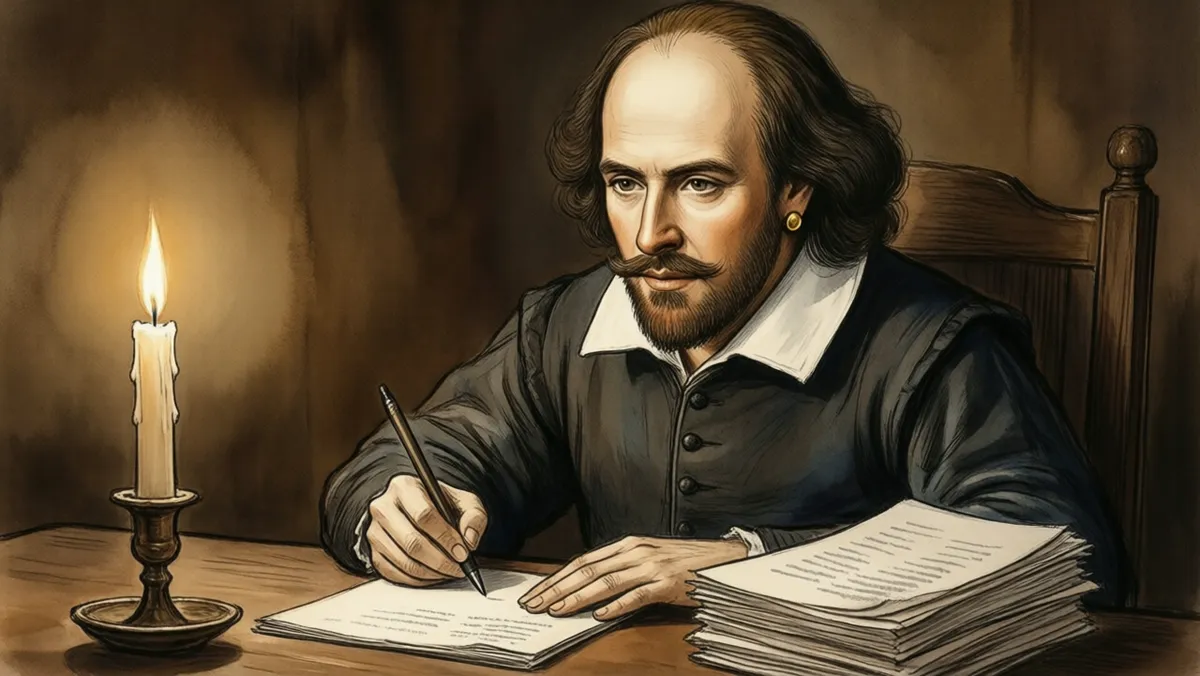
Shakespeare wrote about thirty-eight plays.

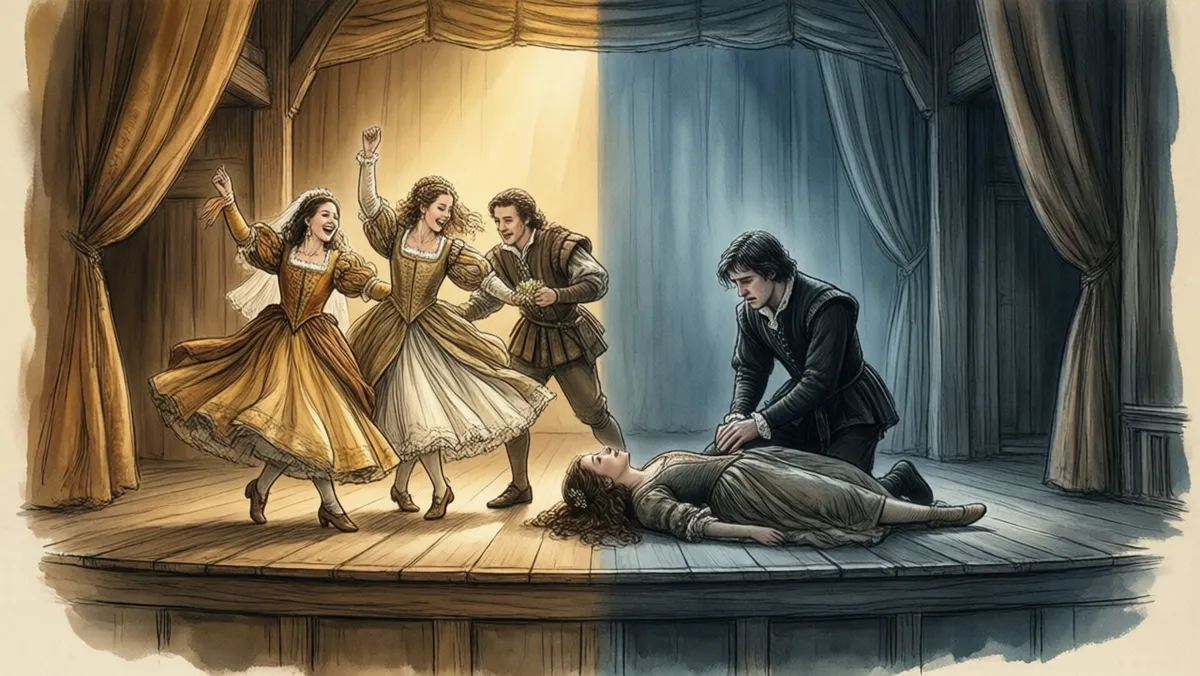
Some are comedies that end in laughter and weddings, like A Midsummer Night's Dream.

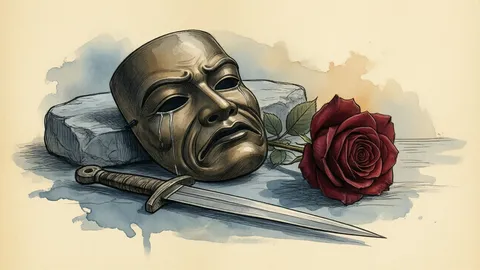
Some are tragedies that end in death, like Romeo and Juliet, Hamlet, and Macbeth.
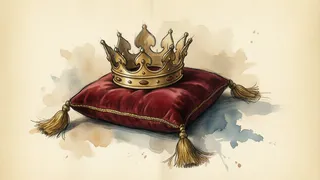
Others tell the history of England and its kings.
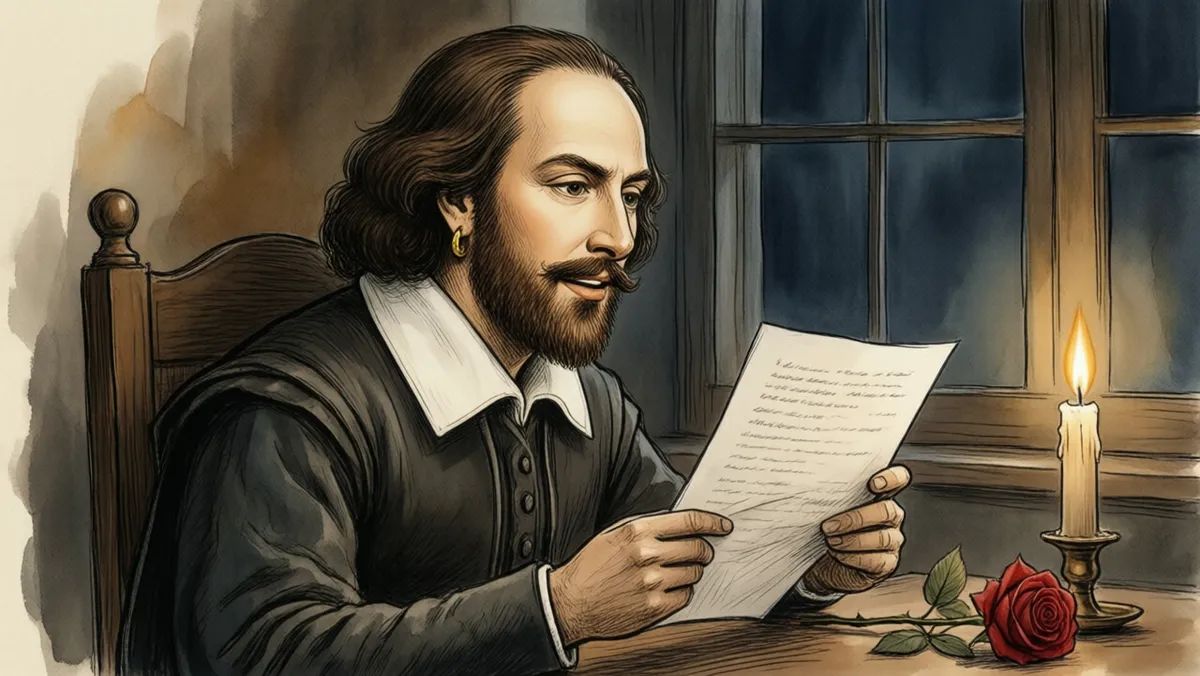
He also wrote 154 sonnets — short poems about love, time, and beauty.

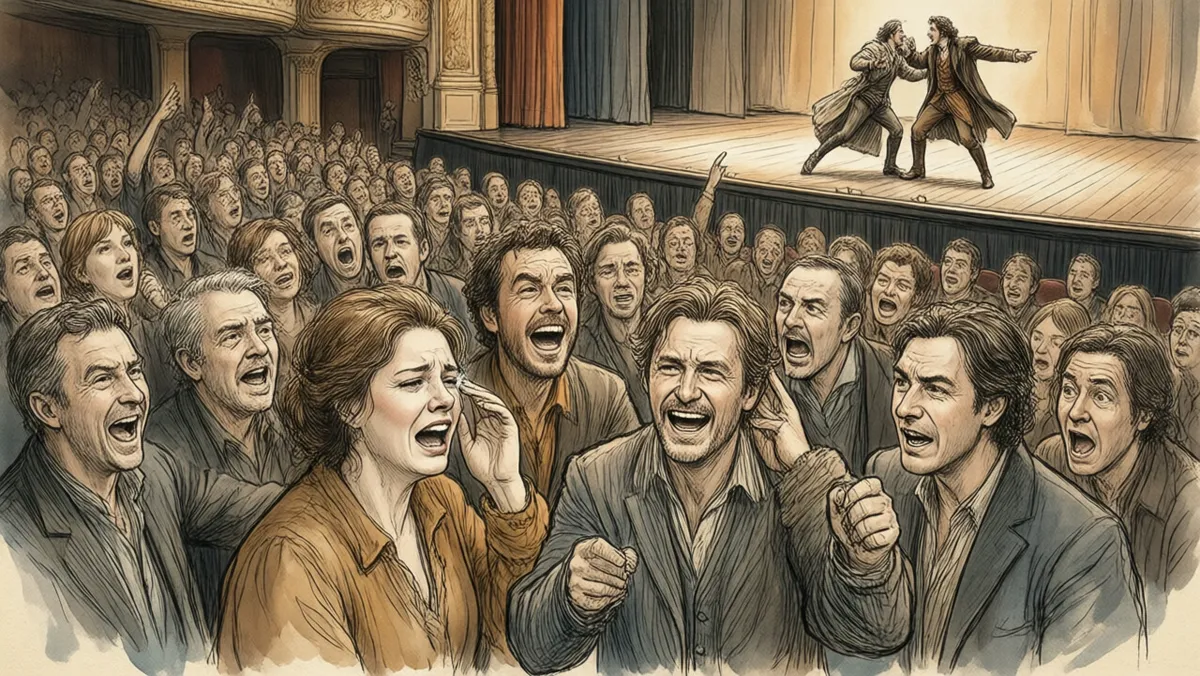
His plays feel alive because his people feel real.
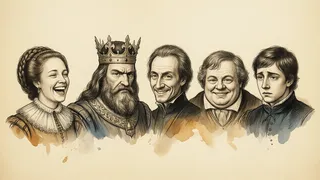
They are funny, jealous, brave, foolish, and kind — often all at once.

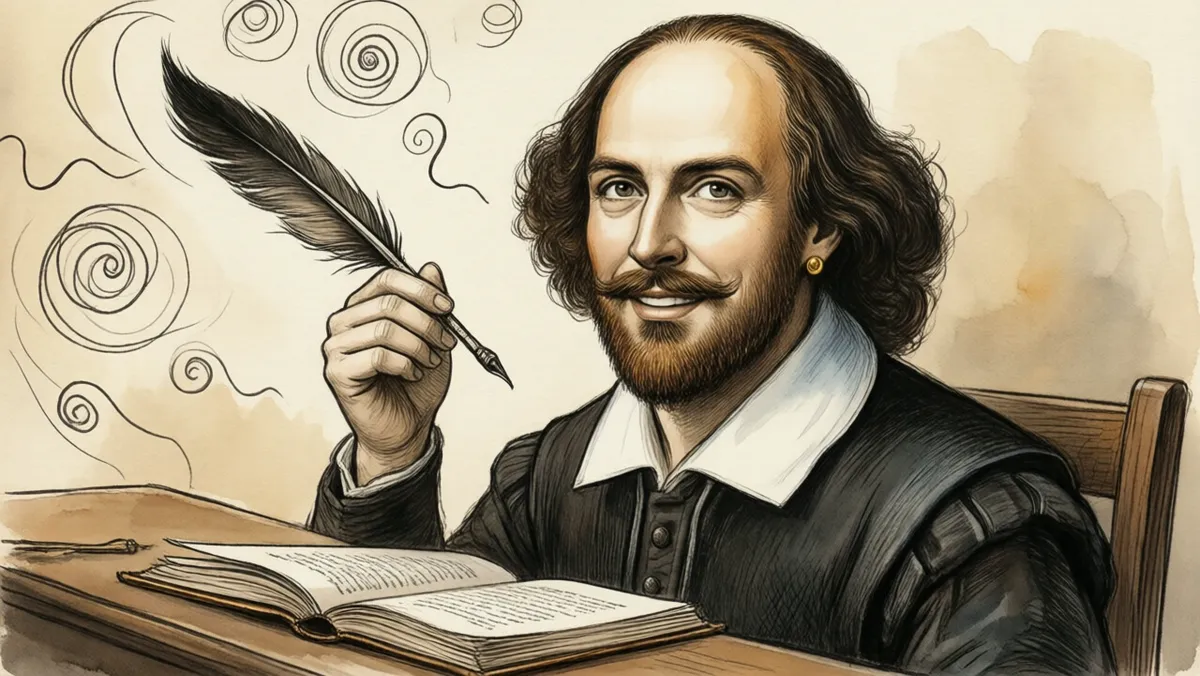
Shakespeare also played with the English language like no one before him.

Everyday phrases such as 'break the ice' and 'heart of gold' came into common use through his plays.

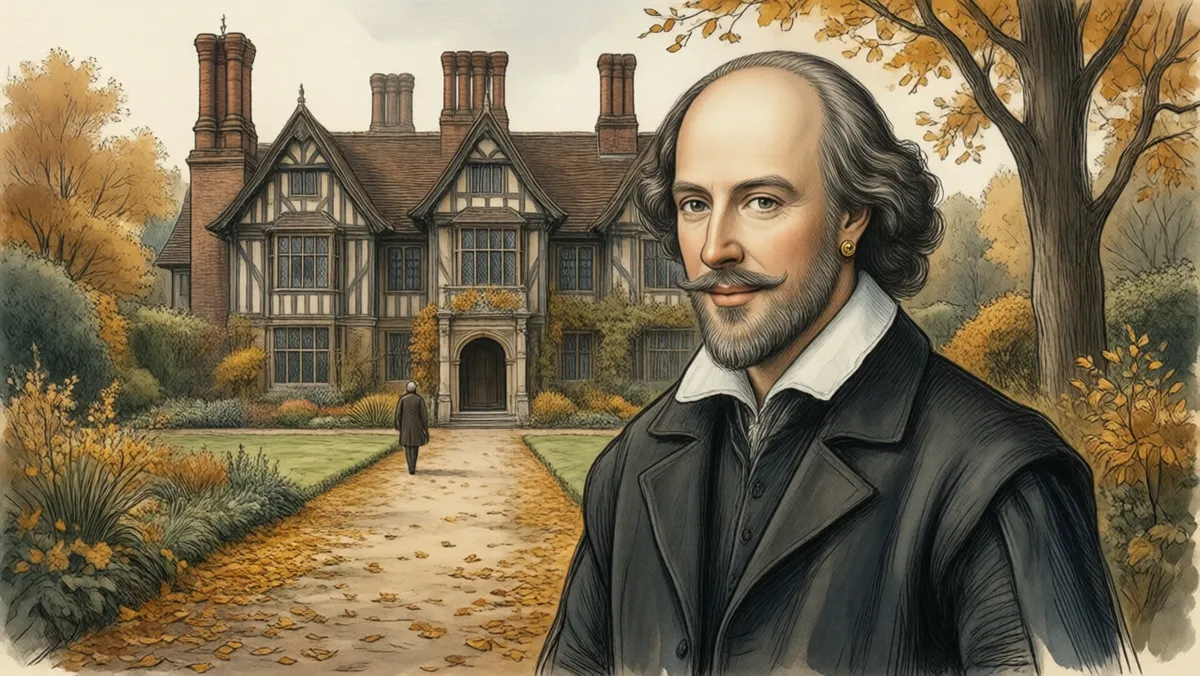
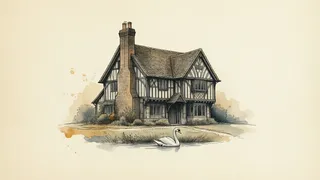
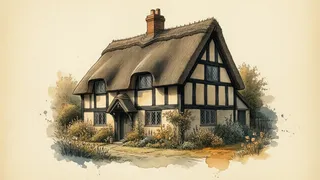
Shakespeare earned good money and bought one of the biggest houses in his hometown.
He died there in 1616, at fifty-two.
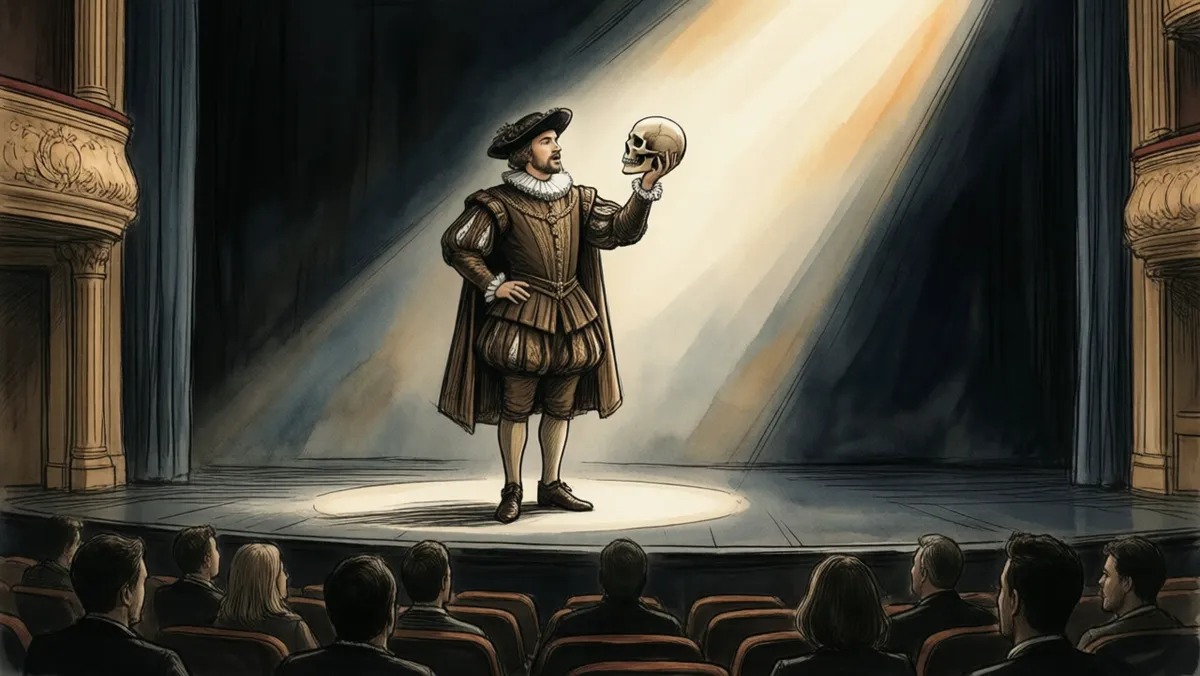
Four hundred years later, he is still the most performed playwright on Earth.
His works have been translated into more than one hundred languages

— and somewhere in the world, at this very moment, actors are almost certainly speaking his lines.