

Every line has a ▶ button — tap it to hear that line spoken, one word at a time.

Claire: Good morning, everyone. It's ten o'clock, so let's get started.
let's get started — ★ US meetings start ON TIME · come a minute or two early · five minutes late is late
Omar: Dev's running a few minutes late. He said to start without him.
running late — ★ late? send a message BEFORE the start: "Running five minutes late. Start without me."
Claire: Then we will. We have a lot to cover, so let's keep it moving.
Mia: Quick question. Is there an agenda? I didn't see one in the invite.
an agenda — ★ agenda = the list of topics, sent with the INVITE · no agenda? it is normal to ask for one
Claire: Three items. The check-in screens, the booking bug, and next week's client demo.
Omar: Can I go first? Mine's quick.
Claire: Go ahead, Omar. Where are we on the booking bug?
where are we on...? — the status question · the answers: "On track." · "A little behind." · "Done."
Omar: We're on track. I found the cause on Friday, and the fix goes out tomorrow.
on track — on track = going as planned · ahead of schedule = early · behind schedule = late
Claire: Great. Mia, how are the check-in screens coming along?
Mia: I'm a little behind. I'm still waiting on photos from the clinic.
a little behind — ★ say it early, and say WHY: "I'm waiting on..." · an honest status beats a surprise later
Claire: Okay. Let's take that offline. Stay for a minute when we're done.
take that offline — ★ nothing to do with the internet · = we'll talk LATER, just the two of us, not in front of everyone
Mia: Sounds good. Do you want me to take notes?

take notes — write down what was decided
Claire: Please. And send out the action items by end of day.
action items — ★ a good meeting ends with a list: WHO does WHAT by WHEN · it goes out in writing the same day

Omar: So here's my idea. We add a chat window to every screen.
Claire: Interesting. That could help patients who get stuck.
interesting — ★ careful: it can mean "I like it" or "I'm not sure yet" · listen to what comes next

Mia: Sorry, can I jump in for a second?
can I jump in? — ★ you are EXPECTED to speak in a US meeting · silence reads as "no opinion" · this is the polite way in
Claire: Of course. Go ahead, Mia.
Mia: I see where Omar's coming from. But I see it a little differently.
I see it differently — ★ how to disagree: first show you understood, then "but..." · never "You're wrong."
Omar: Okay. How so?
how so? — how so? = in what way? · a short, friendly way to ask for the reason
Mia: A lot of our patients are older. A chat window might confuse them.
Omar: That's a fair point. But what about people who really need help?
a fair point — = you are right about that · you can agree with ONE point and still argue the rest
Mia: What if we add one big help button instead? It calls the front desk.
what if we...? — the soft way to suggest: "What if we...?" · "How about...?" · "Could we try...?"
Claire: I like that. Omar, what do you think?
Omar: Honestly? It's simpler. I can live with that.
I can live with that — = not my first choice, but I accept it · a decision doesn't need everyone to love it
Claire: Good. Then we're all on the same page. Let's move on.
on the same page — = we all understand it the same way · "Let's move on." = next topic

Claire: Hi, Mia. Can you hear us okay?
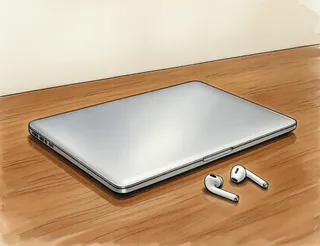
a video call — camera on, earbuds in, a quiet room
Mia: Loud and clear. But Omar, I think you're on mute.
you're on mute — ★ maybe the most-said sentence of remote work · stay muted while others talk · unmute to speak
Omar: Oops, sorry. Is that better? I always forget that button.
Mia: Much better. Is it okay if I share my screen?
share my screen — share my screen = show everyone my computer · close your email and your messages first
Claire: Please. Go ahead.

Mia: Okay. Can everyone see the new check-in screen?
can everyone see...? — always ask · then wait for a yes before you start talking
Omar: We can see it. Wait, Mia, you froze for a second.
you froze — froze = the picture stopped · also "You cut out." · "You're breaking up." · "We lost you."
Mia: Sorry, my connection is slow today. Am I back?
Claire: You're back. Can you put the link in the chat, in case it happens again?
the chat — the chat = the text window of the call · links, files and quick questions go there
Mia: Done. So, this is the first screen. The big buttons are new.
Omar: Those are so much easier to see. Sorry, I didn't mean to cut you off.
cut you off — ★ on a call two people often start at once · say "Sorry, go ahead." and let the other one finish
Mia: No worries. That's really the main change.
Claire: It looks good. I have a hard stop at eleven, so let's wrap up.
a hard stop — ★ = I MUST leave at that time · meetings are booked back to back, so ending on time is good manners
Mia: Sure. I'll send a quick recap after the call.
a recap — recap = a short written summary: what we decided, who does what · it stops "I thought YOU had it"

Dan: Mia, do you have a minute?
do you have a minute? — ★ how a boss starts a talk at your desk · most of the time it is a request, not bad news
Mia: Sure, Dan. What's up?
Dan: I want the new check-in screens in the client demo. Do you have the bandwidth?
bandwidth — bandwidth = time and energy for MORE work · honest answers: "I do." · "Not this week."
Mia: To be honest, my plate is pretty full. I'm on the reminders project until Wednesday.
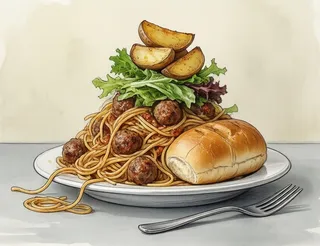
my plate is full — I already have too much work
Dan: I hear you. But this one is the priority.
the priority — the priority = what must be done FIRST · when everything is urgent, ask: "Which one is the priority?"
Mia: Understood. If I take this on, the reminders work slips to next week. Is that okay?
if I take this on... — ★ how to say no to a boss without saying no: name the TRADE, then ask "Is that okay?"
Dan: That's fine. I'll let Claire know.
Mia: Then I can do it. What exactly do you need, and by when?
by when? — ★ two questions before any yes: WHAT exactly, and the DEADLINE · a vague task is a late task
Dan: Three screens you can click through. End of day Thursday.
end of day — ★ end of day (EOD) = before people go home, about five · end of week = Friday · ASAP = as soon as you can
Mia: Three screens by end of day Thursday. Got it.
Dan: Good. And thanks for being straight with me.
being straight with me — straight = honest and direct · good managers would rather hear "I'm too busy" than get it late

Dev: Hey, Mia. Got a sec? I need thirty minutes with you this week.
got a sec? — = do you have a second? · coworkers ask before they start talking · "Sure." or "Give me five minutes."
Mia: Sure. What's it about?
Dev: The client demo. I want to walk through the check-in screens before I present them.
Mia: Good idea. Let me pull up my calendar. When were you thinking?
pull up my calendar — ★ in a US office the CALENDAR decides · people check it before they say yes to any time
Dev: How's tomorrow at two?
Mia: Tomorrow's no good. I'm in back-to-back meetings all afternoon.
back-to-back — back-to-back = one right after another, no break · also "I'm booked solid." · "I'm slammed."
Dev: Okay. Does Thursday work? Sometime in the morning?
does Thursday work? — the scheduling question · yes: "That works." · no: "That's no good for me."
Mia: I have a conflict at ten. But I'm free at eleven.
a conflict — ★ a conflict = another meeting at that time, NOT a fight · you don't have to say what it is
Dev: Eleven works for me. In person, or are you remote on Thursday?
in person · remote — ★ hybrid work: some days in the office, some at home · so people ask before they book a room
Mia: I'm working from home that morning. Can you send me an invite with a link?
an invite — ★ a meeting is real only when it is ON THE CALENDAR · the invite has the time, the people and the link
Dev: Will do. Thursday at eleven. It's on the calendar.
Mia: Perfect. Talk to you then.

Mia: Dev, I wanted to give you a heads-up about the demo.
a heads-up — ★ a heads-up = an early warning · the office rule is NO SURPRISES: bad news travels first
Dev: Uh-oh. That doesn't sound good.
Mia: It's not terrible. Two screens are done, but the third won't be ready today.
it won't be ready — say exactly what is done and what is not · never just "there's a problem"
Dev: The client is here tomorrow at ten. How far along is it?
how far along? — = how much is finished? · "About halfway." · "Almost done." · "I just started."
Mia: About halfway. I can have it by nine tomorrow, but that's cutting it close.
cutting it close — = almost no extra time if something goes wrong · the opposite: "We have plenty of time."
Dev: And if it breaks in front of the client?
Mia: Exactly. So here's another option. We show two screens that really work.
here's another option — ★ never bring only the problem · bring the problem AND a plan: "Here's what I suggest."
Dev: Two that work beats three that might break. Let's do that.
Mia: Thank you. I'll have the third one ready by Monday.
Dev: No rush. And thanks for flagging it early. Most people wait until the last minute.
flagging it early — flag = point out a problem · the last minute = the latest possible moment · early is always better
Mia: I'd rather tell you today than surprise you tomorrow.
Dev: I appreciate that. Keep me posted.
keep me posted — = tell me when anything changes · also "Keep me in the loop." · the answer: "Will do."

Claire: Mia, I looked at the check-in screens last night. Do you have a few minutes?
feedback — ★ feedback = what was good and what to change · good managers give it often and in private, not once a year
Mia: Sure. I'd love to hear what you think.
I'd love to hear — the best thing to say before feedback even starts · it shows you WANT it

Claire: Great start, Mia. The layout is clean, and the big buttons are exactly right.
great start — ★ in a US office criticism often comes wrapped in praise · a great start = good, AND not finished · wait for the "but"
Mia: Thank you. I wasn't sure about the buttons.
Claire: They work. I do have a few thoughts, though.
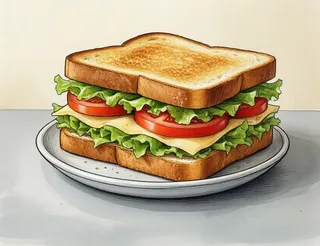
a few thoughts, though — the feedback sandwich · praise, then the change, then praise
Mia: Of course. Go ahead.
Claire: The second screen feels a little busy. I wonder if we could simplify it.
I wonder if we could — ★ it sounds like a question · from a boss, it's really a request · also "You might want to..." · "Have you thought about...?"
Mia: Just so I understand. Do you mean fewer fields?
just so I understand — ★ always check what the feedback MEANS · "Do you mean...?" · "Can you give me an example?"
Claire: Exactly. Name and date of birth. That's all a patient needs.
Mia: That makes sense. I'll take another pass at it this week.
take another pass at it — = I'll work on it again · also "I'll rework it." · then say WHEN: "this week" · "by Thursday"
Claire: Perfect. Can I see a new version by Friday?
Mia: You'll have it Thursday. Thanks for the feedback, Claire.
thanks for the feedback — ★ say it even when it stings · don't argue in the moment · fix it, then show the new version

Noah: Mia, got a minute? Could you take a look at my icons? Be honest.
take a look — ★ asking a coworker for feedback is normal and smart · ask EARLY, before the work is finished
Mia: Happy to. First of all, I really like the style. They feel friendly.
start with the good — ★ giving feedback, step one: say something TRUE that works · it shows you looked properly
Noah: Thanks. I worked on them all weekend.
Mia: It shows. Can I make one suggestion?
can I make a suggestion? — ★ step two: ASK before you criticize · a yes makes the other person ready to listen
Noah: Sure. Go for it.
Mia: A few of them are hard to read when they're small. This one, for example.
for example — ★ step three: be SPECIFIC · which one, when, and why · talk about the work, never the person
Noah: That's the calendar. Okay, it kind of looks like a waffle.
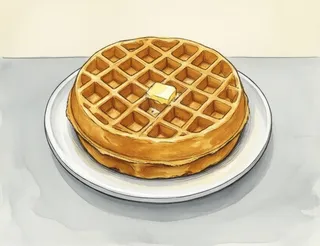
a waffle — a breakfast cake with a grid of squares
Mia: A little bit. What if you made the lines thicker?
what if you...? — ★ step four: offer a way to fix it, as a question · "What if you...?" · "Have you tried...?"
Noah: Yeah, I can try that. Anything else?
Mia: One thing for next time. Show me a rough version early. It saves you a weekend.
for next time — ★ the best feedback is about the FUTURE: what to do next time, not what went wrong last time
Noah: Got it. Thanks for being honest with me.
Mia: Anytime. They're going to look great.
anytime — = you're welcome, ask me again · and end on something positive: "They're going to look great."

Mia: Claire, do you have a minute? I need to tell you about a mistake.
a mistake — ★ tell your manager YOURSELF, before someone else does · hiding a mistake is worse than making it
Claire: Okay. What happened?
Mia: I sent the developers the old file. They built the wrong version.
Claire: I see. How much time did they lose?
Mia: About a day. That one's on me. I should have double-checked.
that's on me — ★ = it is my fault · say it once, clearly · no long excuses · also "My mistake." · "I dropped the ball."
Claire: Thank you for telling me right away. What's the plan?
what's the plan? — ★ a good manager asks about the FIX, not the fault · come with the answer ready
Mia: I've already sent the right file, and I apologized to the team.
Claire: Good. And going forward?
going forward — going forward = from now on · the last part of owning a mistake: how you'll stop it happening again
Mia: Going forward, everything lives in one shared folder. No more files by email.
Claire: That works. Honestly, it happens to everyone. Don't beat yourself up.
don't beat yourself up — = don't be so hard on yourself · "It happens to everyone." = it is a normal mistake
Mia: Thanks, Claire. It won't happen again.
Claire: I know. Lesson learned. Now, back to work.
lesson learned — = the mistake taught us something, and now it is finished · nobody brings it up again

Ben: You're home late again. Long day?
Mia: Back-to-back meetings since nine. I'm wiped out.
wiped out — = very, very tired · also "I'm exhausted." · "I'm beat." · "I'm fried."
Ben: That's the third time this week. You're going to burn out.
burn out — burn out = get so tired from work that you can't go on · "burnout" is a word every US office knows
Mia: I'm fine. It's just a busy month.
Ben: It's always a busy month. When did you last take a day off?
a day off — a day off = one day away from work · time off = days away · a long weekend = Friday or Monday off too
Mia: A real one? Not since I started.
Ben: And how much vacation time do you have?

vacation time · PTO — = paid time off
Mia: Fifteen days a year. I've used zero.
fifteen days a year — ★ no federal law requires paid vacation · the company decides · the average after one year is about eleven days
Ben: You know they don't all roll over, right? Use it or lose it.
use it or lose it — ★ at many companies unused days disappear at the end of the year · roll over = move to next year · read your policy
Mia: I know. I just feel bad leaving the team.
I just feel bad — ★ almost half of US workers take less time off than they are given · the big reasons: too much work, and guilt
Ben: They'll survive one week without you. Put in the request tomorrow.
put in a request — put in a request = ask officially, in the system · "I put in for a week off." means the same
Mia: Okay, okay. A whole week. I promise.

Mia: Claire, do you have a second? I'd like to request some time off.
request time off — ★ ask your manager BEFORE you book anything · two weeks ahead or more · you don't have to say where you're going
Claire: Finally! When were you thinking?
Mia: The week of the fourteenth. Monday through Friday.
the week of the fourteenth — the week of the 14th = the week that starts that Monday · Monday through Friday = all five days
Claire: Let me look. That's right after the demo, so the timing is good.
the timing is good — ★ pick your week with the team's calendar in mind · right AFTER a deadline is the easiest yes
Mia: That's why I picked it. Is it okay if I take the whole week?
is it okay if...? — the polite way to ask permission · also "Would it be all right if...?" · "Do you mind if...?"
Claire: Of course. You have the days. Who's covering for you?
covering for you — ★ a coworker COVERS = handles your work while you're away · arrange it before you ask for the days
Mia: Omar said he would. I'll write everything down for him.
Claire: Great. Put it in the portal, and I'll approve it today.
approve — ★ time off is official only when it is APPROVED in the system · a spoken "sure" is not enough
Mia: Thank you. Should I check my email while I'm out?
Claire: Absolutely not. Set your out-of-office and disappear.

out-of-office — the automatic reply: I'm away
Mia: I can do that.
Claire: Good. I hope you go somewhere nice. You've earned it.
you've earned it — = you worked hard and you deserve this · before a vacation people say "Have a great trip." · "Enjoy."

Ben: You sound terrible. Are you feeling okay?
Mia: Not really. My throat is killing me, and I think I have a fever.
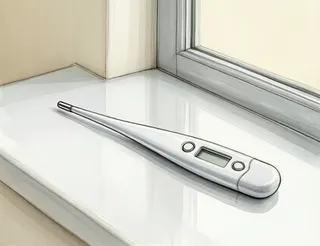
a fever — a high body temperature
Ben: Then you're not going in. Call in sick.
call in sick — ★ = tell work you are ill and staying home · do it BEFORE your day starts · a call or a message, as your team does
Mia: But I have three meetings today.
Ben: They'll manage. That's what sick days are for. Call Claire.
sick days — ★ no US law gives every worker paid sick days · about twenty states require them · most office jobs include some
Mia: Hi, Claire, it's Mia. I'm not feeling well, so I won't make it in today.
I'm not feeling well — ★ this sentence is enough · you don't have to describe the illness · then the plan: "I won't make it in today."

Claire: Oh no. You sound awful. Stay home and rest.
Mia: I'm sorry about the short notice.
short notice — short notice = telling someone very late · nobody plans to be sick, so say it once and move on
Claire: Don't apologize. Is there anything on your calendar I should move?
Mia: Could someone cover my eleven o'clock with Dev?
my eleven o'clock — = my meeting at eleven · "my two o'clock" · "your nine thirty" · the time is the meeting's name
Claire: I'll take it. Now log off and get some sleep.
log off — ★ a sick day means NO work · no email, no "quick call" · working while sick helps nobody
Mia: Thanks, Claire. I'll check in tomorrow morning.
check in — ★ check in = send a short update · out three days or more? many companies ask for a doctor's note
Claire: Feel better, Mia.
feel better — what Americans say to anyone who is sick · also "Get well soon." · "Take care of yourself."

Claire: Before we start, one change. Mia's running the meeting today. I'm just here to listen.
running the meeting — ★ run a meeting = lead it · teams often take turns · it is how a manager shows trust
Mia: No pressure. Okay, let's get started. We have a short agenda today.
let's get started — ★ the leader's three jobs: start on time · say what's on the agenda · end on time
Omar: Can I go first? It's about the booking bug, and it's kind of a long story.
Mia: Give us the short version, Omar. We can take the details offline.
the short version — ★ the leader's hardest job: stopping a long story, kindly · the details go "offline"
Omar: Fair enough. Short version: it's fixed, but it needs more testing.
fair enough — = okay, that's reasonable, I accept it · said with no hard feelings
Mia: Great. Who's taking that, and by when?
who's taking that? — ★ no task leaves the room without a NAME and a DATE · "I'll take it." = I will do it
Omar: I'll take it. Wednesday.
Mia: Perfect. Claire, anything from your side?
anything from your side? — = do you have something to add? · a good leader asks each person before closing
Claire: Just one thing. The demo went really well, and the client signed.
Mia: That's great news. Okay, action items. Omar, testing by Wednesday. I'll send the notes.
action items — ★ say them OUT LOUD before people stand up · then send them in writing the same day
Omar: Wait, are we done? It's only ten twenty.
Mia: We're done. You all get ten minutes back.
ten minutes back — ★ ending early is a gift · almost nobody complains that a meeting was too short
Claire: A meeting that ends early. I should let you run all of them.

Mia: Omar, are you still okay to cover for me next week?
cover for me — cover for someone = do their work while they're away · you return the favor when THEY take time off
Omar: Of course. What do I need to know?
Mia: Just two things. I wrote it all down in a handoff doc.
a handoff doc — ★ before any time off, write it down: what is open · what is due · who to ask · where the files are
Omar: Nice. Walk me through it.
walk me through it — = explain it to me step by step · you say it about a plan, a document or a problem
Mia: The check-in screens go to the developers on Tuesday. If they have questions, you're the point person.
the point person — = the ONE person to ask about this · also "the point of contact" · "the go-to person"
Omar: Got it. And the second thing?
Mia: The Thursday call with Dev. Just listen in and take notes.
listen in — listen in = join the call without leading it · you are there so nothing gets lost
Omar: Easy. Is your out-of-office on?
Mia: It's on. It says I'm back on the twenty-first, and to email you.
I'm back on the twenty-first — ★ a good out-of-office says three things: I'm away · when I'm back · who can help now
Omar: And what if something's on fire?
on fire — on fire = a real emergency · the vacation rule: no contact, unless something truly is on fire
Mia: Then text me. But only if it's really on fire.
Omar: It won't be. Go. Have a great trip.
Mia: Thanks, Omar. I owe you one.
I owe you one — = you did me a favor and I'll return it · the answers: "Anytime." · "Don't mention it."

Claire: Mia, before you head out. Do you have a minute?
head out — head out = leave · "I'm heading out." = I'm leaving now · heard at the end of every workday
Mia: Sure. Is everything okay?
is everything okay? — ★ what everyone thinks when a boss says "Do you have a minute?" · most of the time it IS okay
Claire: Everything's fine. It's time for your six-month review. I'll keep it short.
a review — ★ a review = a formal talk about your work · most companies hold one a year, some every six months
Mia: Oh. Okay. Now I'm a little nervous.

Claire: Don't be. Overall, you're exceeding expectations.
exceeding expectations — ★ the usual scale: needs improvement · meets expectations · EXCEEDS expectations · "meets" is already good
Mia: Really? Thank you. That means a lot.
Claire: You took my feedback on the check-in screens and ran with it.
ran with it — = you took an idea and did a lot with it, on your own · high praise in a US office
Mia: It was good feedback. Is there anything I should work on?
anything I should work on? — ★ ASK for the criticism · it shows confidence, and you hear it before it becomes a problem
Claire: One thing. Speak up more in meetings. Your ideas are good.
speak up — ★ common advice to newcomers in US offices · quiet is not read as polite, it is read as "nothing to say"
Mia: I'm working on it.
Claire: I can tell. On Monday you ran the whole meeting.
Mia: And we finished early.
Claire: We did. Great job, Mia. Now go and enjoy your vacation.
great job — ★ "a great start" has become "a great job" · praise at the END, with no "but" after it, is the real thing
Mia: Thank you, Claire. See you on the twenty-first.